
A lab-made version of a fungal pigment can trap small molecules in its pores. By adding a zirconium catalyst, researchers gave the pigment a second function: it could also break down a chemical used as a safer stand-in for nerve agents. In a November 23, 2026, account of the peer-reviewed study in ACS Nano, researcher Sofia Aman reported that the best-performing particles broke down half the test chemical in less than 10 minutes.
The distinction between trapping and breaking down a chemical matters for protective clothing. Activated carbon can capture toxic compounds, but a glove or mask that holds them can still be hazardous to handle. The researchers are investigating whether their material could help protect farmworkers from organophosphorus pesticides, which share an underlying chemistry with some nerve agents. The team tested neither actual nerve agents nor airborne pesticides; the experiments took place in laboratory vials.
What the pores contribute
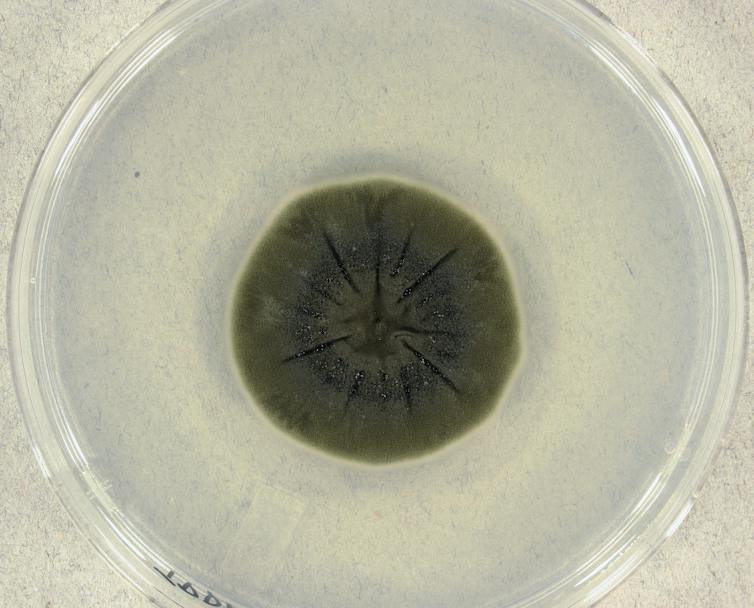
The pigment, called allomelanin, occurs in fungi including Cladosporium sphaerospermum, a mold that grows at the damaged Chernobyl nuclear plant. In 2021, Aman’s colleagues showed that synthetic allomelanin contains pores less than a billionth of a meter wide. These openings are part of the pigment’s structure, and both natural and lab-made versions can capture small molecules in them.
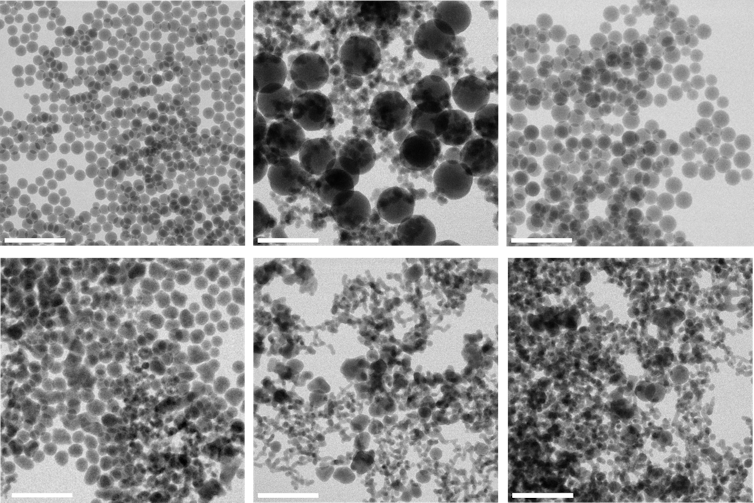
In the ACS Nano study, the researchers attached zirconium clusters to tiny spheres of synthetic allomelanin. The pores captured the test chemical while the metal clusters helped split its chemical bonds. The same clusters did little to break down the chemical when attached to similar materials without pores. Adding too much zirconium also slowed the reaction, likely because the clusters blocked the openings that water and the test chemical needed to pass through. The best-performing particles remained active over several rounds of testing, with little zirconium leaking out.
From a vial to a fabric
The reaction usually requires an alkaline liquid, an impractical addition to a worker’s mask or jacket. The team instead attached alkaline chemical groups directly to the particles. After five minutes under a bright lamp, the particles broke down about 10 times as much of the test chemical as they did in the dark. Heating the samples in darkness had a much smaller effect, suggesting that warmth alone did not explain the result.
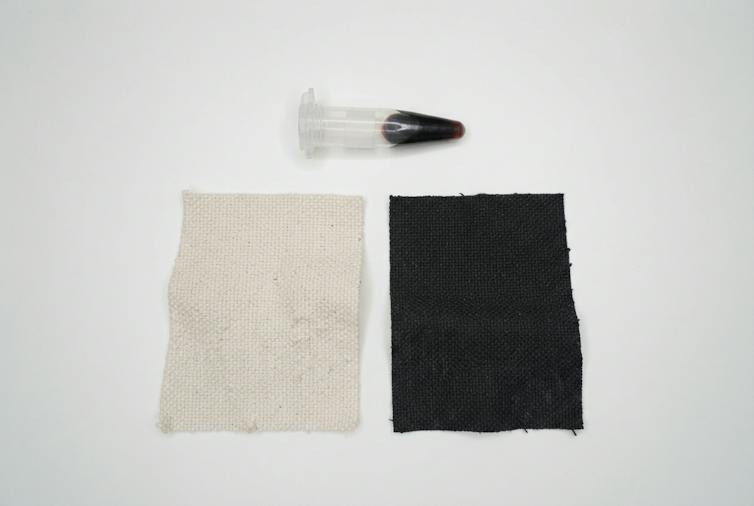
The group had previously shown that synthetic melanin adheres to textile fibers without chemical glue and can serve as a fabric dye. That makes a coating worth investigating, but it does not establish that a treated garment would protect its wearer. As of Aman’s report, the researchers had not incorporated the particles into commercial textiles or assessed the cost of making them at scale. Their next steps were to test the material against pesticides farmworkers encounter and refine the coating process.