
As reported on November 20, 2026, two autonomous-vehicle companies were moving to give customers more direct access to their services rather than relying exclusively on Uber’s platforms. Waymo planned to end its exclusive robotaxi arrangement with Uber in Austin and Atlanta in January 2028, while Serve Robotics said it would not renew its Uber Eats partnership when it expires in 2027. Neither announcement meant an immediate end to all cooperation with Uber.
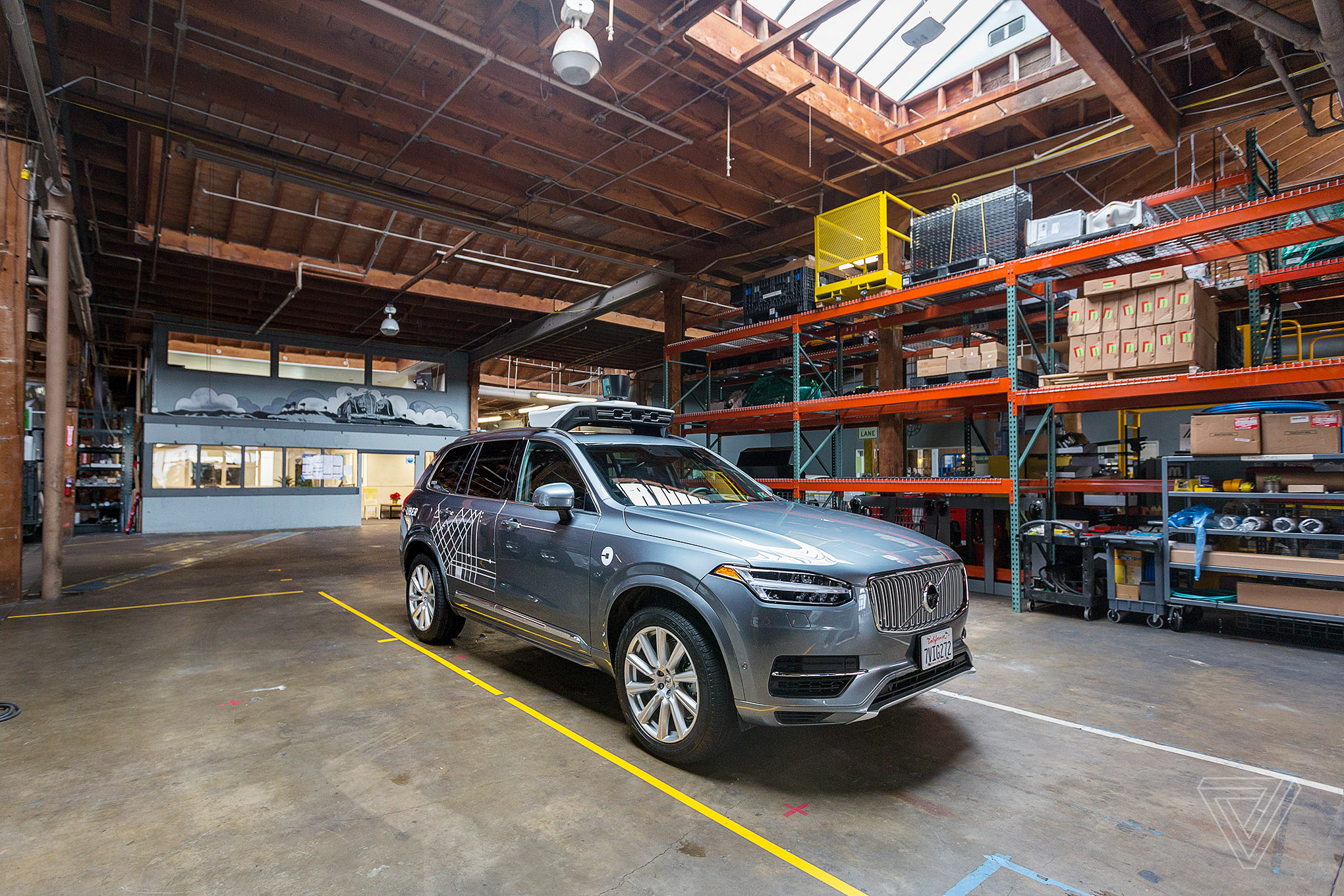
Starting in January 2028, riders in Austin and Atlanta will be able to hail Waymo vehicles through the Waymo app. Uber said it hoped to continue offering Waymo rides under non-exclusive agreements. Waymo co-CEO Tekedra Mawakana criticized the uncertainty of an Uber booking experience that could match a rider with either a human driver or a robotaxi. Uber disputed the suggestion that it was unwilling to adapt: according to Bloomberg, it proposed a dedicated robotaxi button for those cities, but Waymo declined.
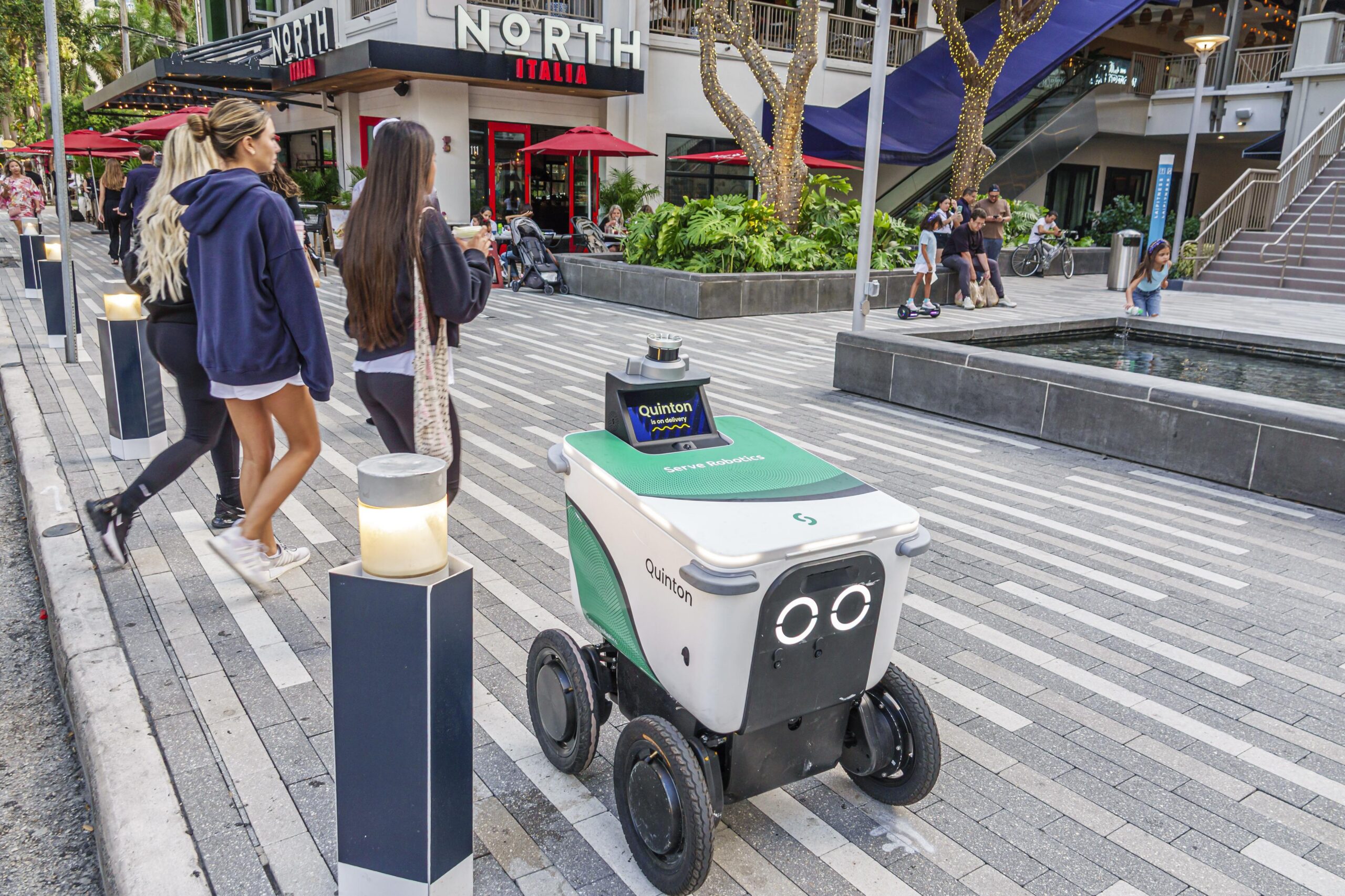
Serve, which operates more than 2,000 sidewalk delivery robots, is taking a different route. It launched a developer API intended to let businesses add robot delivery to their own ordering systems. CEO Ali Kashani said the decision not to renew with Uber Eats reflected both economics and a different vision for how to offer the service. He pointed to delivery apps’ 15–30 percent cut of orders as a cost businesses could seek to avoid by connecting directly with Serve’s fleet.
Uber disputed Serve’s account of the split. Spokesperson Noah Edwardsen said Uber had repeatedly raised concerns about Serve’s operational performance and reliability beginning in early 2026, and that performance had not improved to the level Uber required.
Uber’s broader autonomous-vehicle strategy remained substantial: it had deals with more than 30 companies worldwide and said it expected tens of thousands of unsupervised autonomous vehicles across more than 50 cities by 2028. Those figures describe partnerships and a company projection, not a fleet already deployed at that scale.
The changes highlight a commercial question for robotaxis and delivery robots: whether operators will use large ride-hailing and delivery apps to reach customers, or control more of the booking and ordering experience themselves. For now, Waymo’s planned end to exclusivity and Serve’s decision not to renew are distinct moves, with their longer-term effects still uncertain.