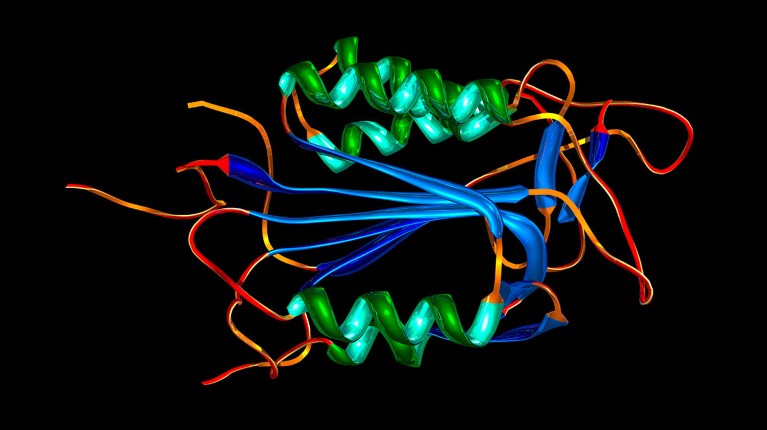
In reporting published on 20 November 2026, Nature described an analysis that found 230 instances of apparently impossible protein expression across 221 research papers published since 2004. The findings were posted as a preprint, not a peer-reviewed study, on 21 October 2026.
Sholto David, a research-integrity investigator based in Arbroath, UK, examined studies using 20 cell lines with genetic changes that should prevent them from producing particular proteins. He searched published text and images for western blots—tests used to detect proteins—that nevertheless appeared to show those proteins. His search also drew on a collection of 140,000 articles he had previously screened for image-integrity and other problems.
The most frequent example was a signal for the cell-death protein caspase-3 in MCF-7 cells, which lack the gene needed to make it; David identified this in 49 papers. He also found reports of BAX in Jurkat cells in 47 papers and STAT3 in PC-3 cells in 35 papers.

The findings do not establish a single cause. David said researchers might have misidentified or contaminated cell lines, or used antibodies that bound to a different protein. He also said some papers showed features associated with fabricated manuscripts, such as duplicated images or similar text templates, but he could not determine how many fell into that category. Nature reported that journals were retracting or correcting affected work. Thierry Soussi, a cancer geneticist at Uppsala University, warned that the analysis might not capture the full extent of the problem.