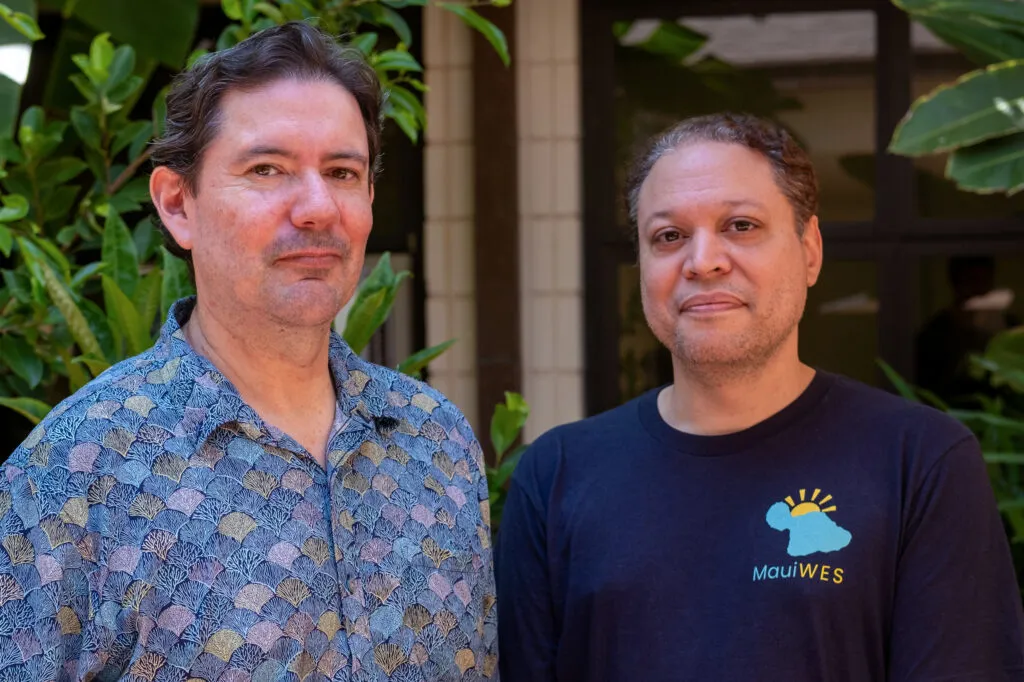
Three years after the August 8, 2023, Maui wildfires, University of Hawaiʻi researchers were still testing survivors for possible physical and mental health effects—and helping them obtain care. As reported on November 14, 2026, the future of their Maui Wildfire Exposure Study, or MauiWES, remained uncertain after a state funding bill failed and applications to renew federal support had received no decision.
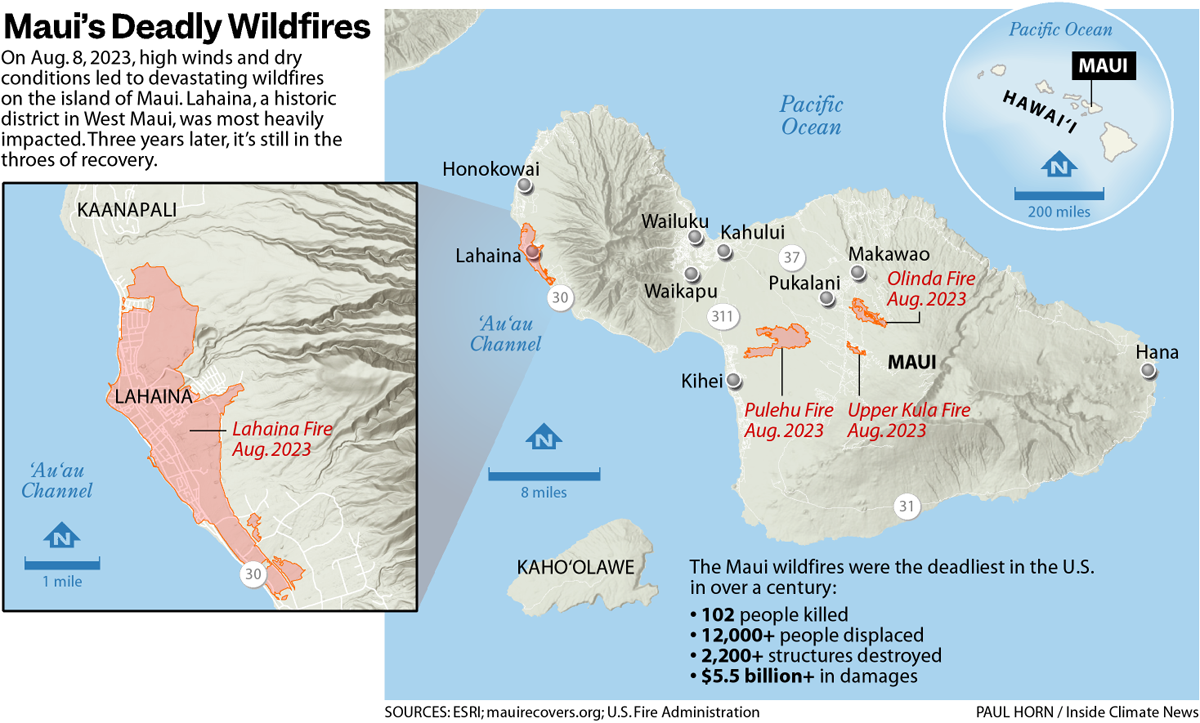
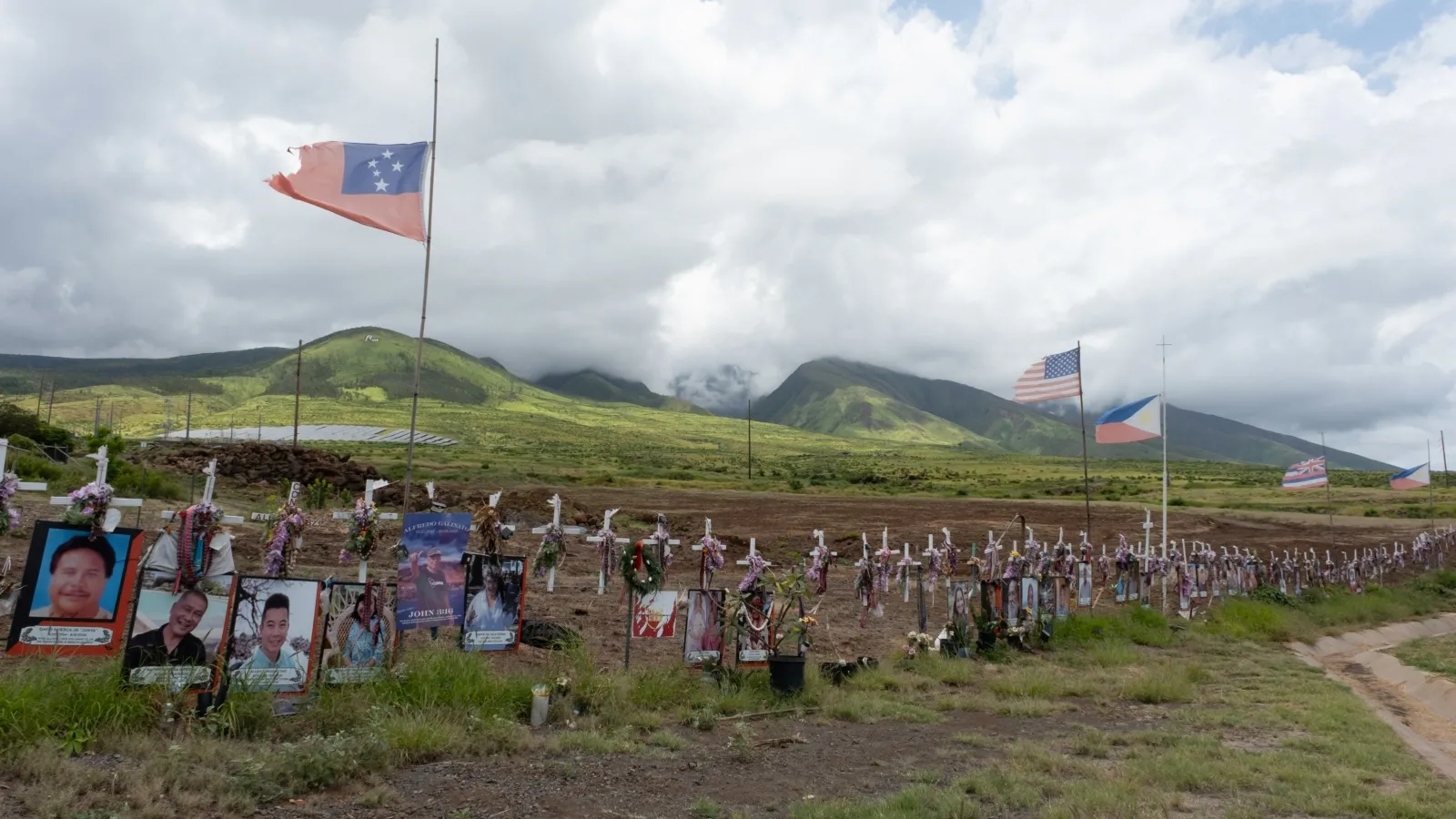
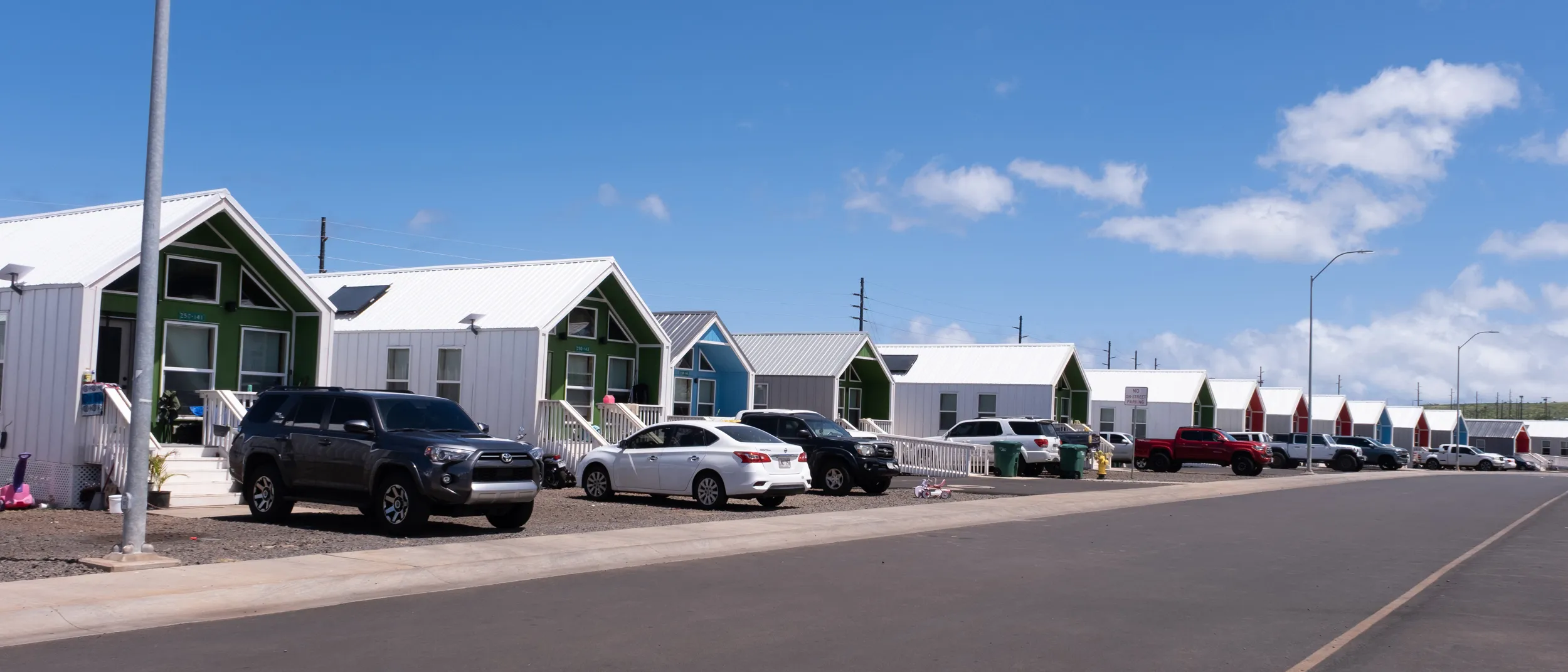
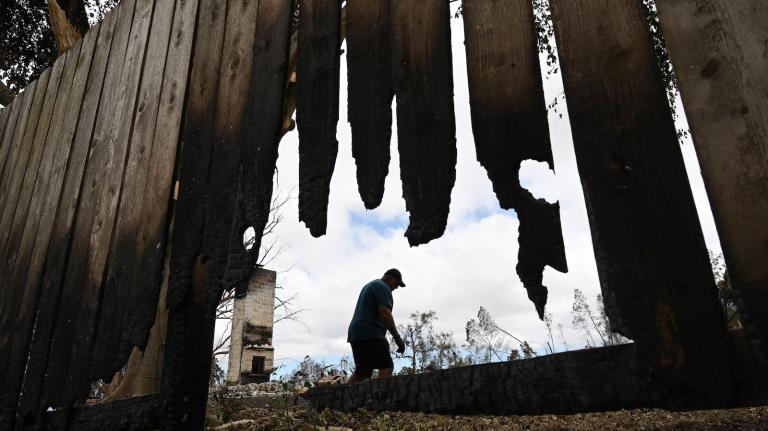
The fires killed at least 102 people, displaced nearly 13,000 residents and destroyed more than 2,200 buildings. By the time of the report, just 15 percent had been rebuilt. MauiWES co-leads Ruben Juarez, an economist, and Alika Maunakea, a biomedical scientist, had enrolled more than 2,500 participants since the disaster.
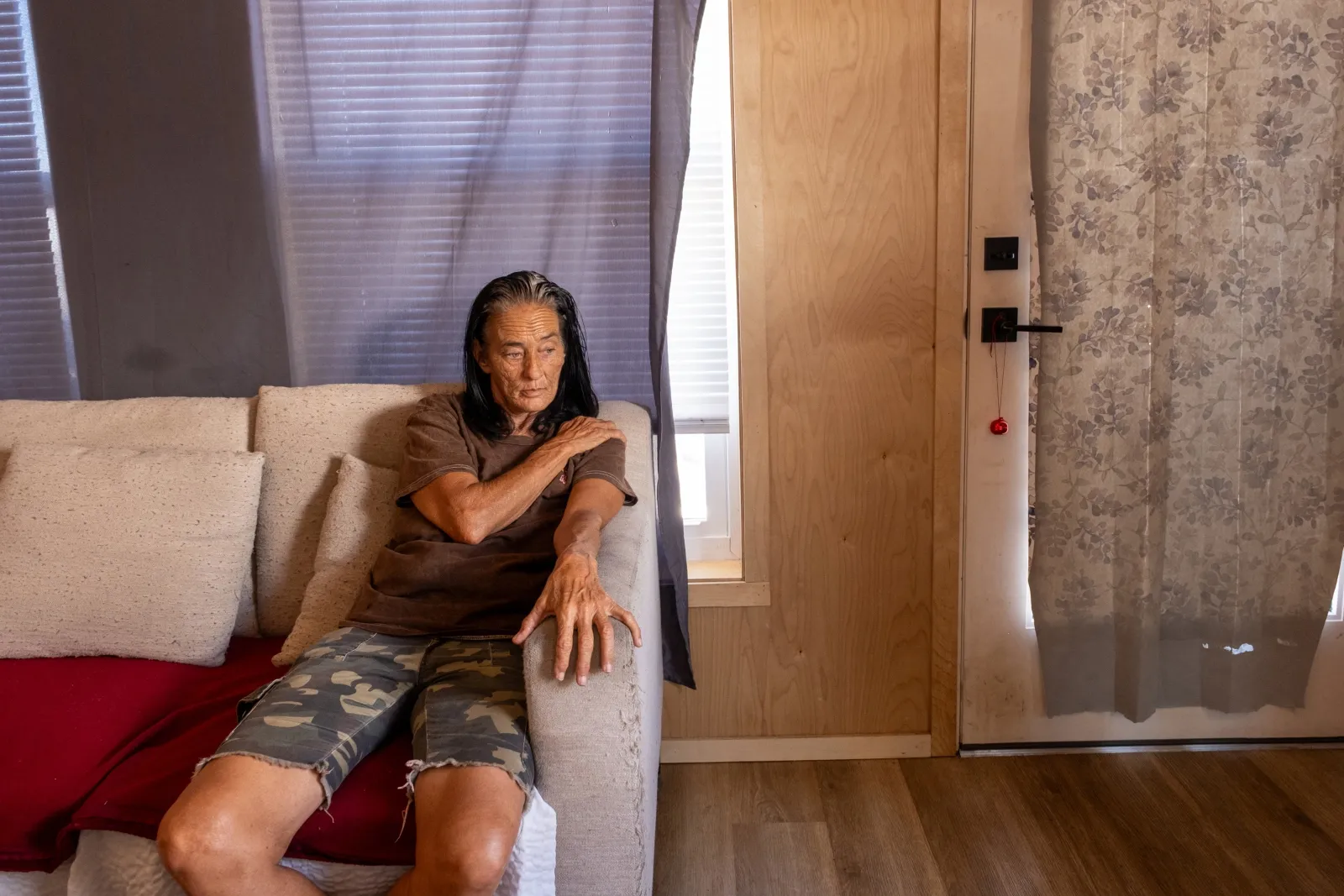

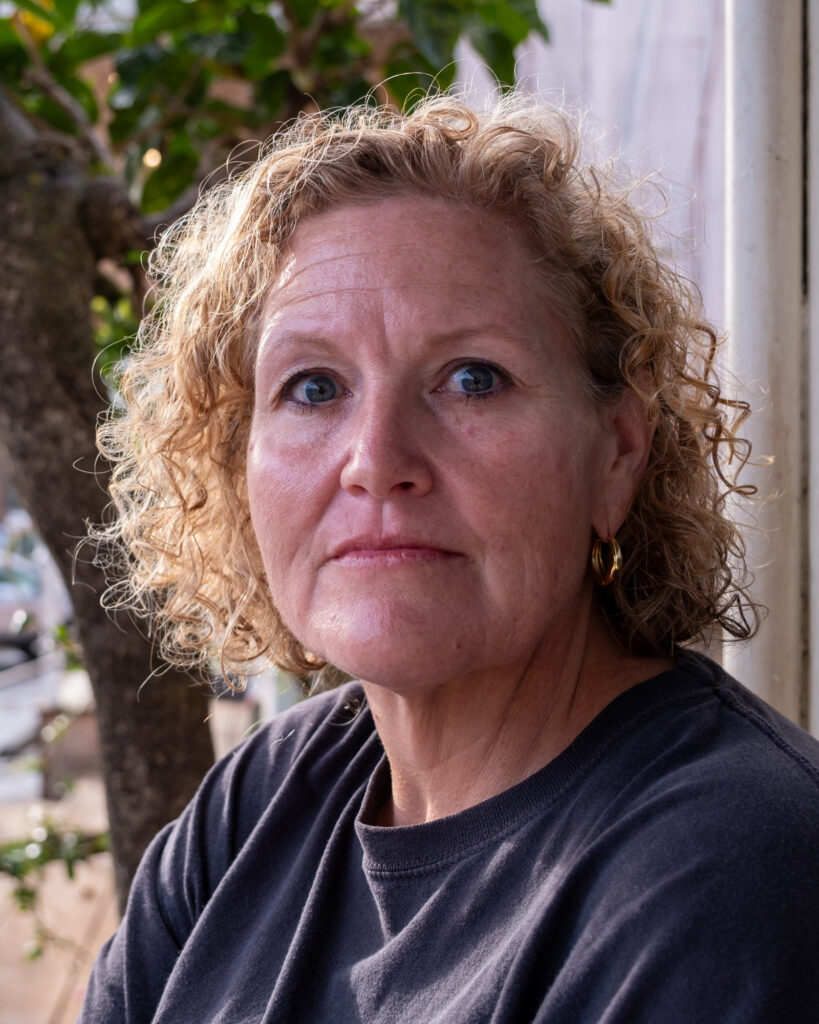
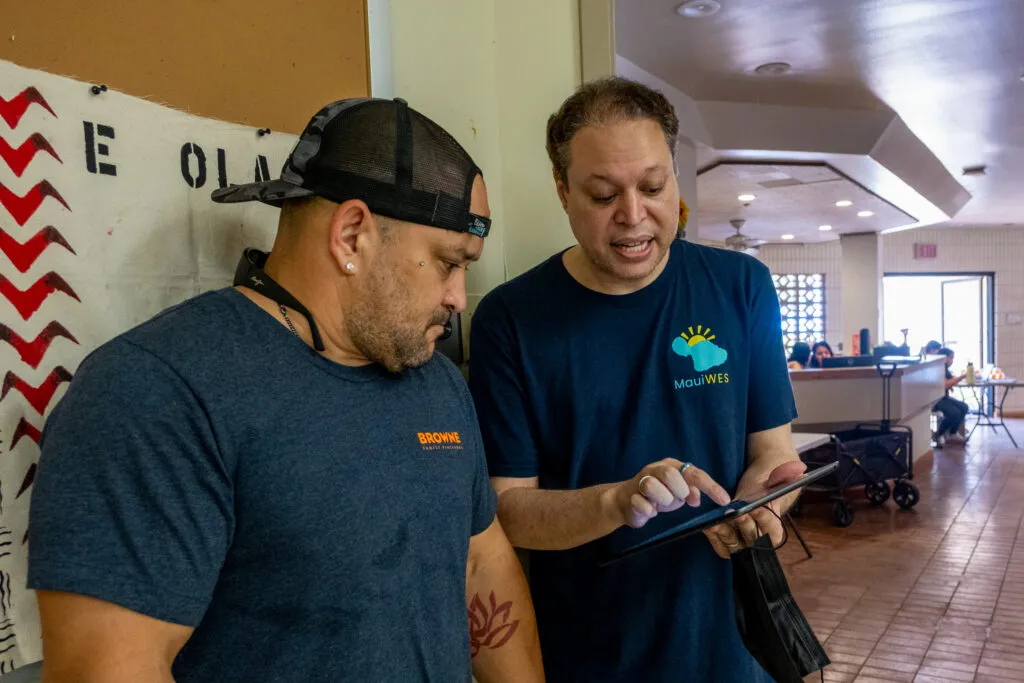
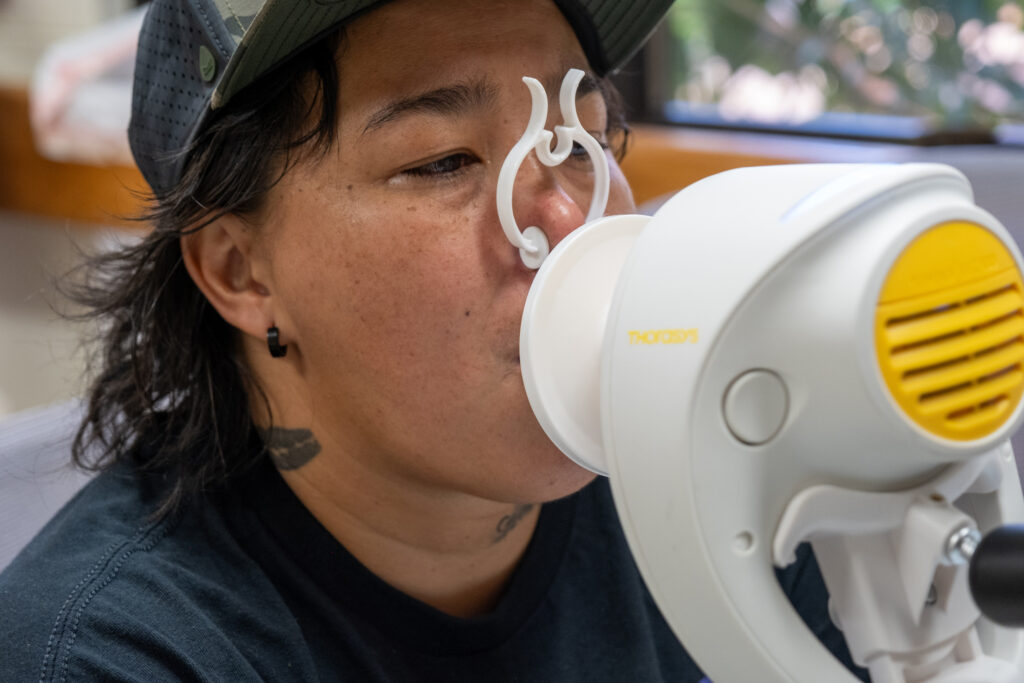
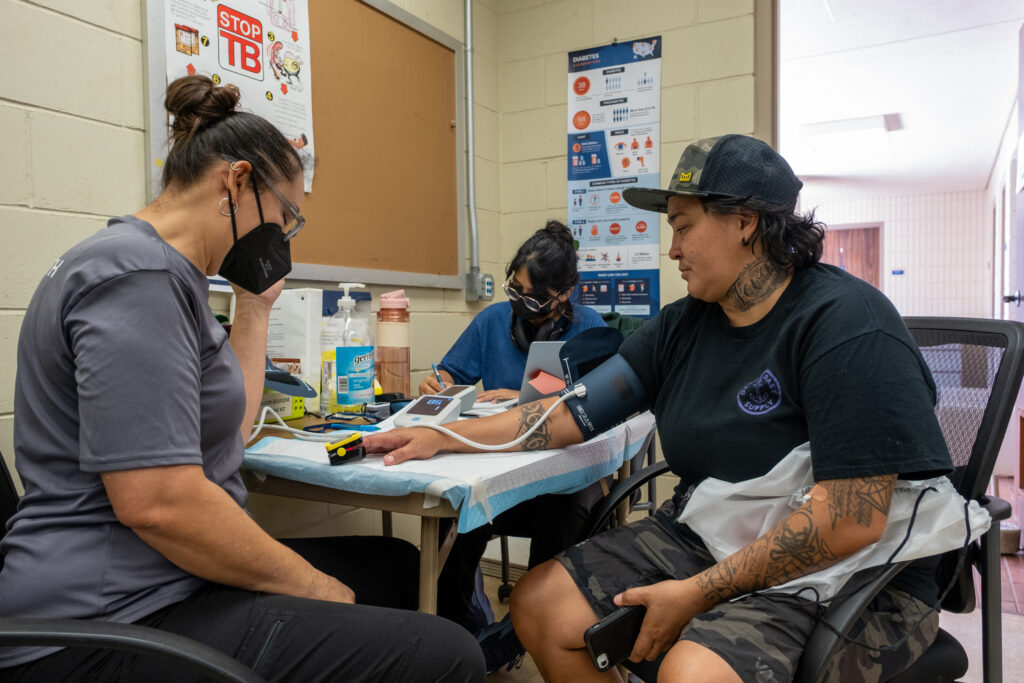
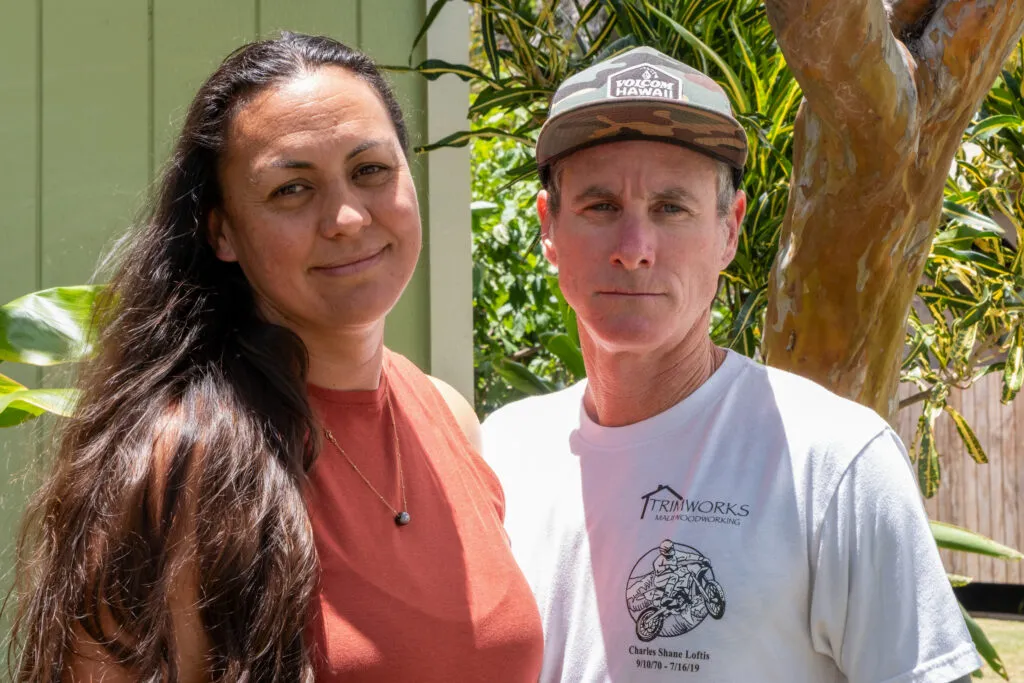
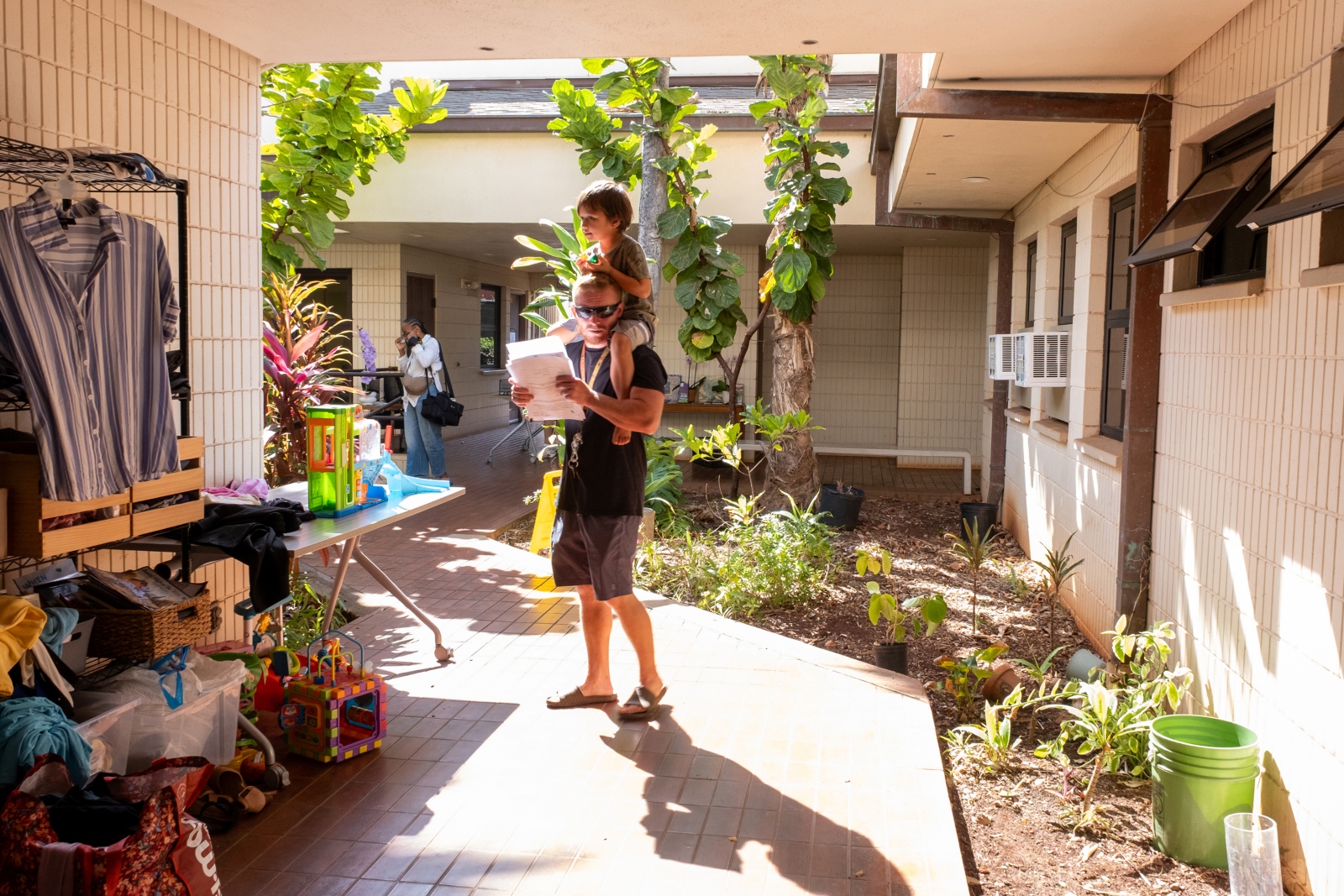
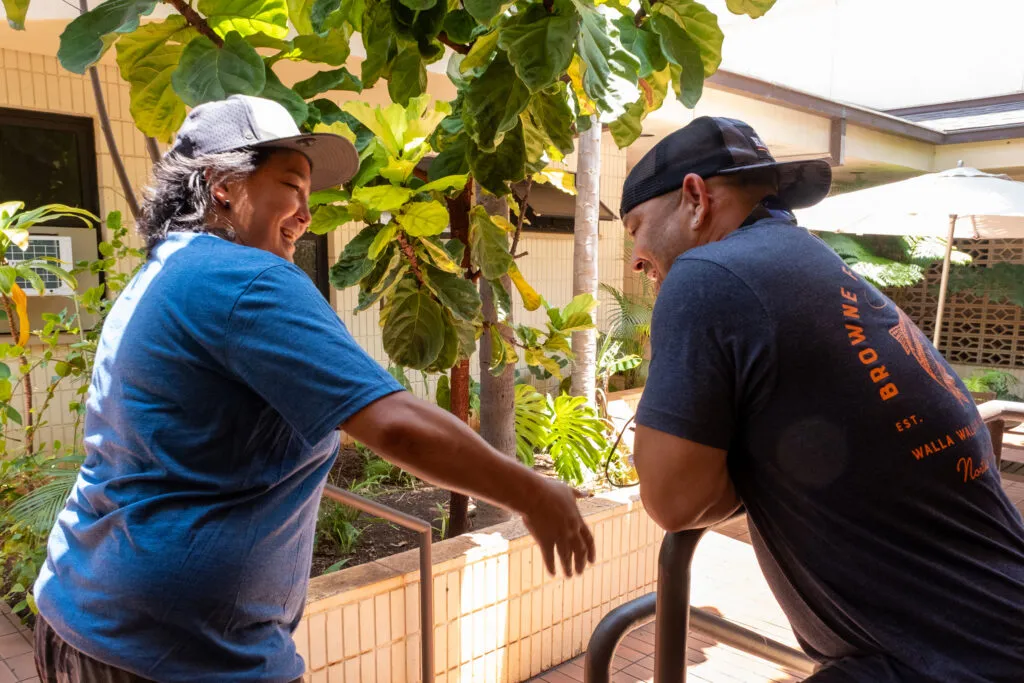
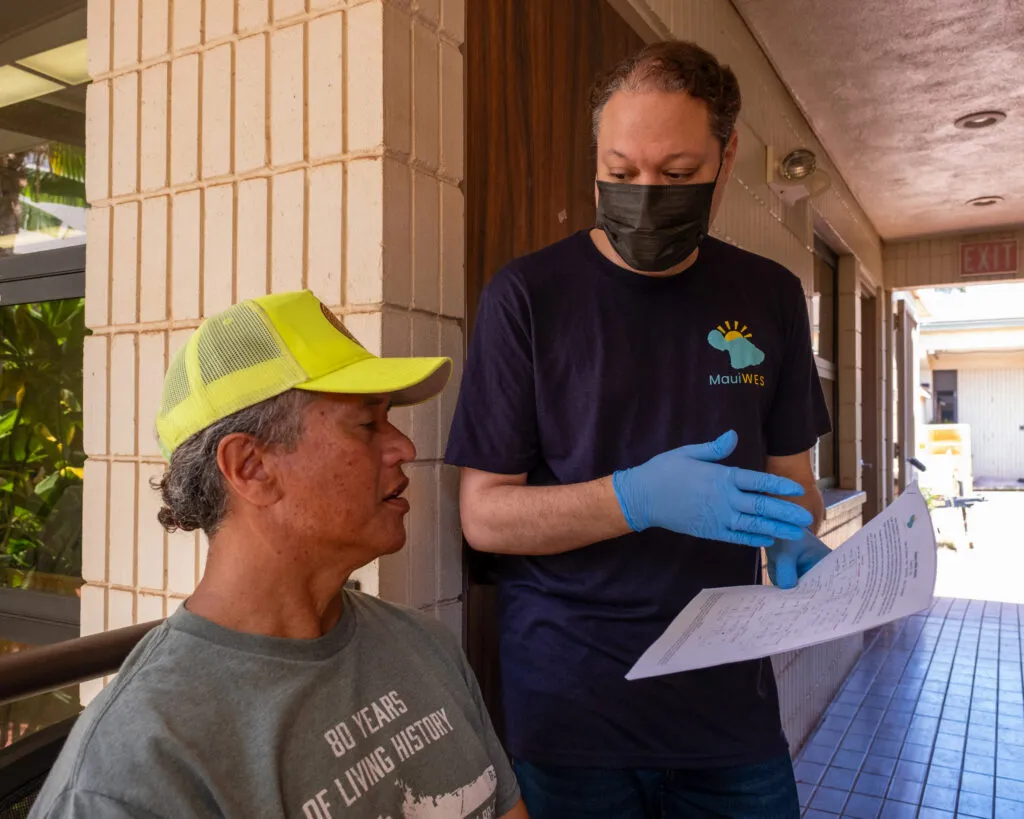
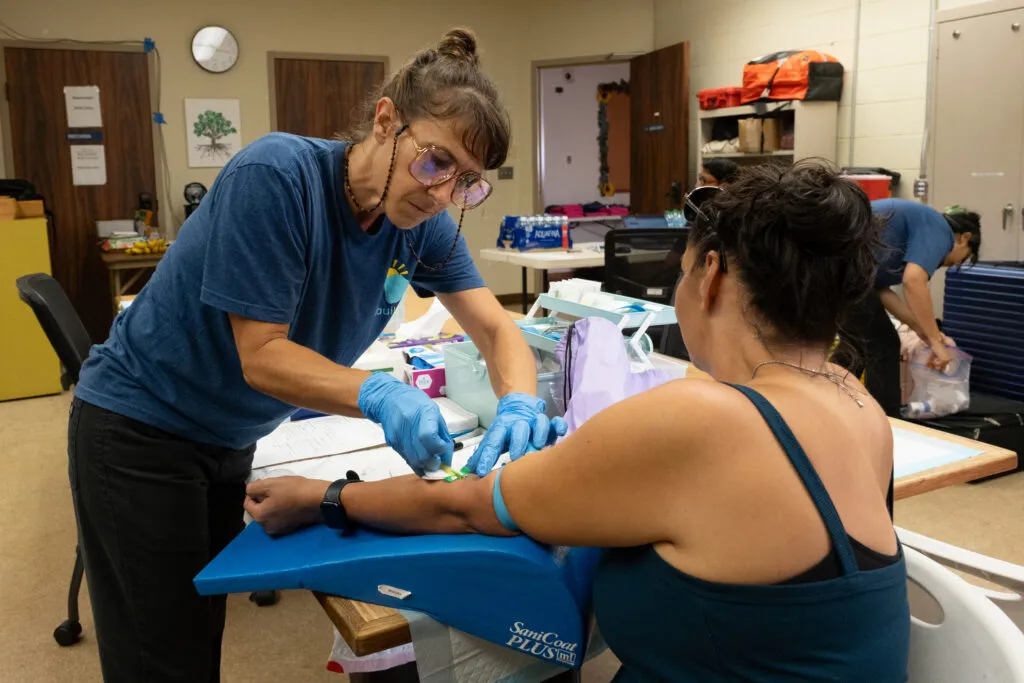
At a May 2026 testing event in Lahaina, participants gave samples for tests that included measures of environmental exposure and metabolic health. The team also assessed lung function and mental health, reviewed results with participants and offered $100 for their time. Working with local organizations, it connected some survivors to therapy, food assistance, insurance and medical care. Former trauma nurse Amy Jackson credited the study with saving her life after a test in August 2024 found a dangerously low hemoglobin level and the team urged her to seek emergency treatment.

The findings point to health concerns, but do not establish their cause. In an initial, smaller group tested about six months after the fires, researchers found that roughly half reported breathing problems. They also found an association between poorer lung function and higher levels of certain metals in participants’ urine. Later, they reported elevated levels of heavy metals in a group of more than 1,200 survivors. The researchers said some contamination may have predated the fires and did not claim to have established that the fires caused the measured metal levels.
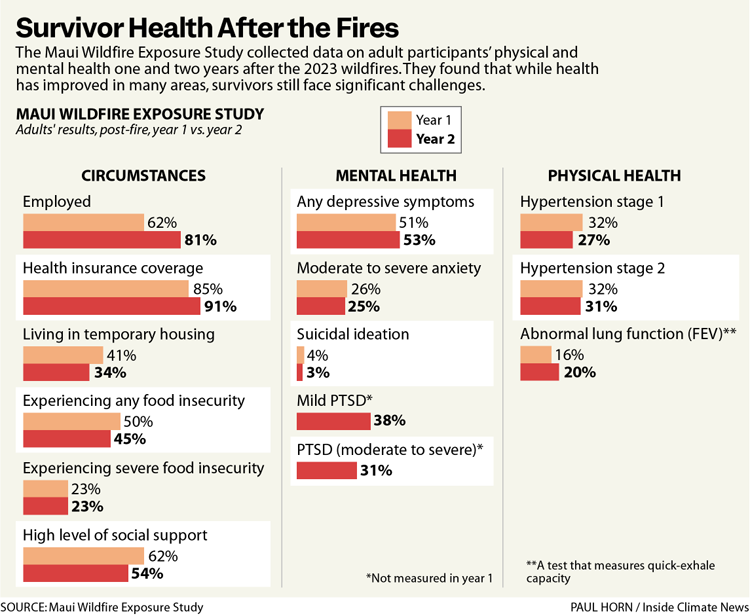
The Hawaiʻi Department of Health challenged aspects of the work, including its use of people who volunteered for testing rather than a randomized sample. The department had screened 557 West Maui residents for lead in their blood and said in May 2024 that the low number with elevated results did not warrant screening the general population for substances identified in the burn zone. Environmental health experts questioned whether lead screening alone supported such a broad conclusion. The university defended MauiWES while acknowledging that its results did not establish causation. Department director Kenneth Fink described disagreements over research methods as a normal part of scientific collaboration and called for public information grounded in the best available data.

Funding had become an immediate concern. MauiWES received $2.3 million from the state in summer 2024 and a $1.4 million National Institutes of Health grant almost a year after the fires. A later state bill that would have provided $3 million to continue the study and expand its work with children did not pass. At the May event, the researchers said they hoped to keep following survivors for at least a decade, but did not know how they would fund that work.