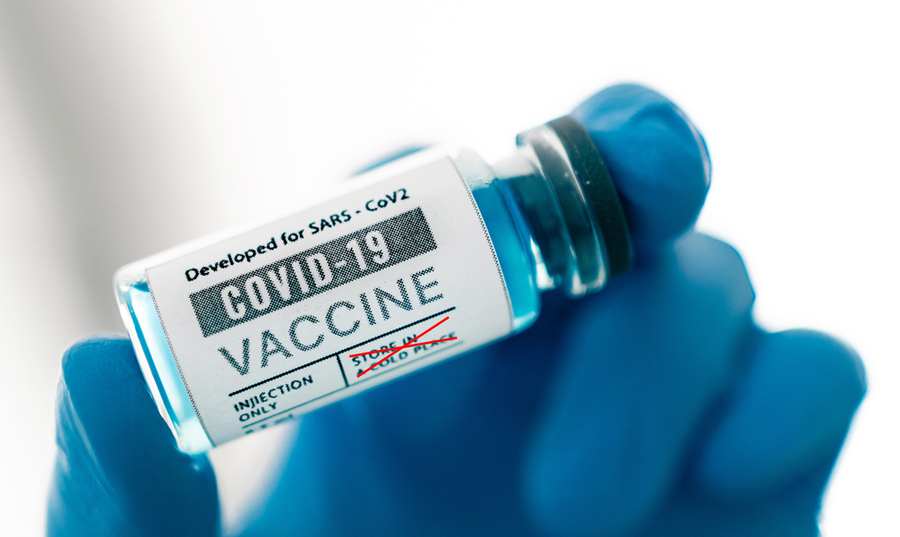
In research reported on September 28, 2026, MIT researchers described a formulation that could make mRNA vaccines easier to store without ultracold freezers. The results, published in Nature Biotechnology, come from laboratory and mouse studies—not human testing.
The team used a machine-learning algorithm to identify additives that could stabilize the lipid nanoparticles used to protect and deliver mRNA. After screening nearly 50 FDA-approved additives, the researchers selected five promising candidates and used the algorithm to predict effective combinations. They tested successive formulations in cells and fed the results back into the algorithm.
To assess storage stability, the researchers packaged COVID-19 mRNA antigens in the selected nanoparticles and vacuum-dried them. The resulting material was stored for two months at 37°C (98°F), or for one year at room temperature. After storage, the vaccines produced immune responses in mice comparable to those produced by a vaccine using nanoparticles similar to the original Moderna formulation. The team also tested the formulation in solid microneedle patches, which generated a similar immune response in mice.
The researchers say the approach could be adapted to other mRNA payloads and lipid-nanoparticle formulations. The findings do not establish how the formulation would perform in people or under real-world distribution conditions.