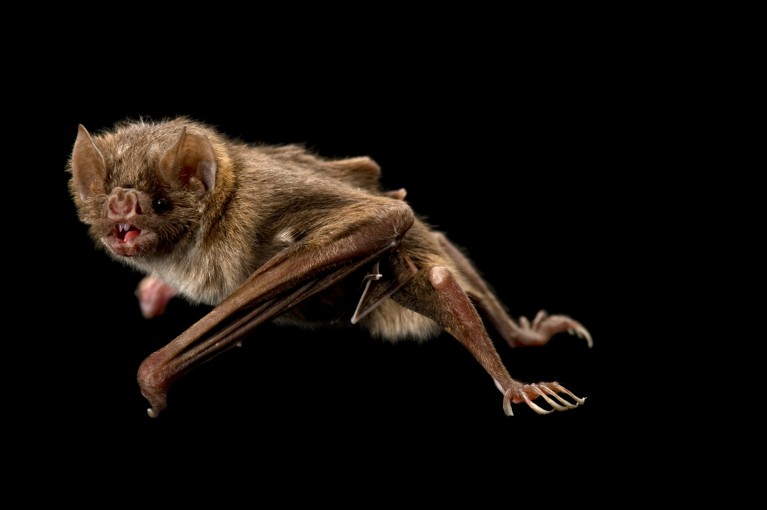
A genomic study reported on 16 November 2026 offers clues to how vampire bats survive on blood alone as adults. The findings were posted to bioRxiv on 7 November and had not yet been peer reviewed.
Blood is a difficult sole food source: it is mostly water, contains little sugar or fat, and carries potentially toxic amounts of iron. To investigate how bats cope, Michael Hiller of the Senckenberg Research Institute and colleagues generated genomes for all three vampire-bat species—Desmodus rotundus, Diaemus youngii and Diphylla ecaudata—and three other bat species. They also examined gene activity in six organs from two vampire-bat species and four non-vampiric species.
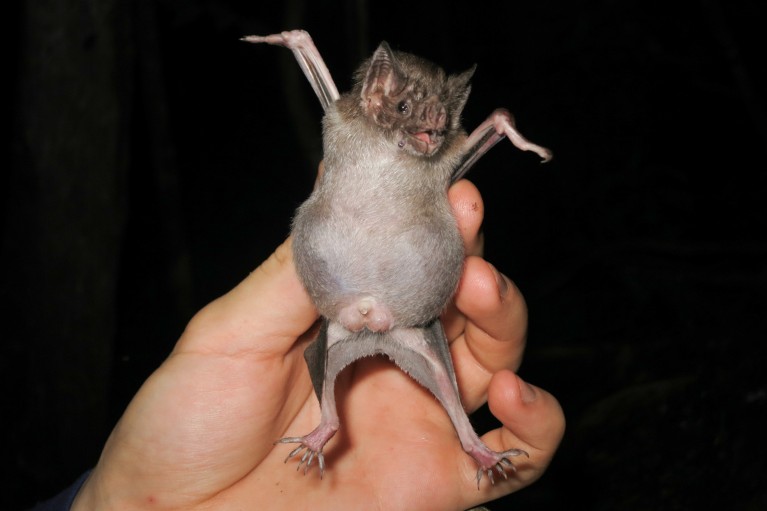
The stomach stood out. Rather than functioning like the acid-filled stomach of most mammals, the vampire-bat stomach acts as a stretchy, pH-neutral storage sac. Thick connective tissue helps it expand after a blood meal. The analysis also found more than a 900-fold increase in stomach activity of a fluid-transport gene typically active in salivary and sweat glands—a possible clue to how the bats shed excess water before flying home.
The bats retain some genes involved in digesting fat, although their activity falls in adulthood. Comparative physiologist Ken Welch Jr, who was quoted in the report, suggested those genes might help pups digest fat-rich milk before they switch to blood. The bats have also lost some genes associated with distinguishing sweet from bitter tastes.
These genomic and gene-activity comparisons identify possible adaptations, but the preprint findings do not by themselves establish every gene’s function in living bats.