
Two studies published in Nature on 18 November 2026 suggest that Homo erectus lived in what is now the rainforest region of southern China between about 324,000 and 184,000 years ago. The finding challenges the view that the species was limited to savannahs and open woodlands.

Researchers found more than 10,000 fossil animal teeth and nine hominin teeth in two limestone caves in Guangxi province. They estimated the hominins’ ages by dating fossils and surrounding sediments using several methods. Eight of the hominin teeth resembled those of H. erectus in shape. According to co-author Frido Welker of the University of Copenhagen, protein sequences preserved in the enamel of four specimens supported that identification.
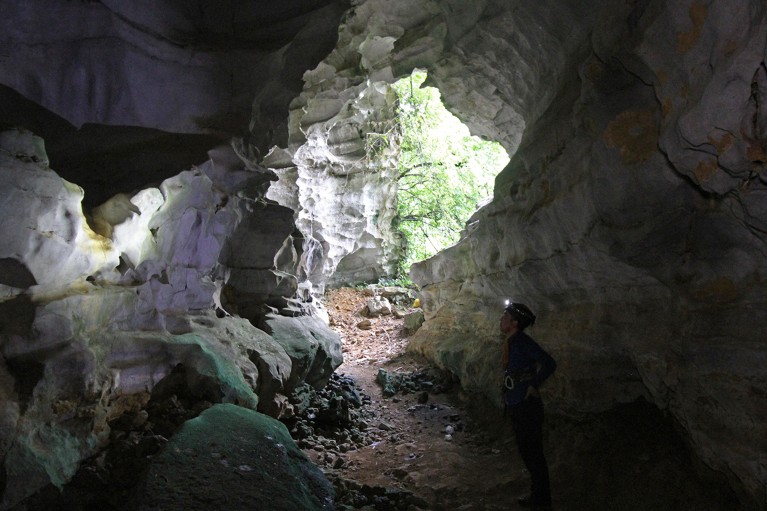
The animal fossils include orangutans, muntjac deer and leopards—species whose presence points to a rainforest environment. The evidence suggests H. erectus could occupy a habitat that researchers had previously associated with the survival abilities of modern humans, said co-author Kira Westaway of Macquarie University. The habitat assessment rests on the associated animal fossils, rather than a direct observation of how the hominins lived.
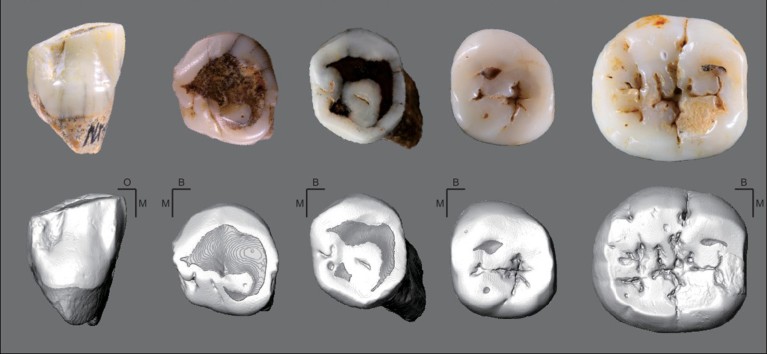
The ninth hominin tooth remains unidentified. Welker said its shape and protein signature did not match H. erectus, and it did not resemble H. sapiens or Neanderthal teeth. Denisovans are a possibility, he said, but the evidence is circumstantial.