The Dark Energy Survey’s final analysis suggests that the standard model of cosmology may not fully explain observations of the universe. The result is a hint, not a discovery: data combined from several sources fit somewhat better if dark energy has weakened over time rather than remained constant.
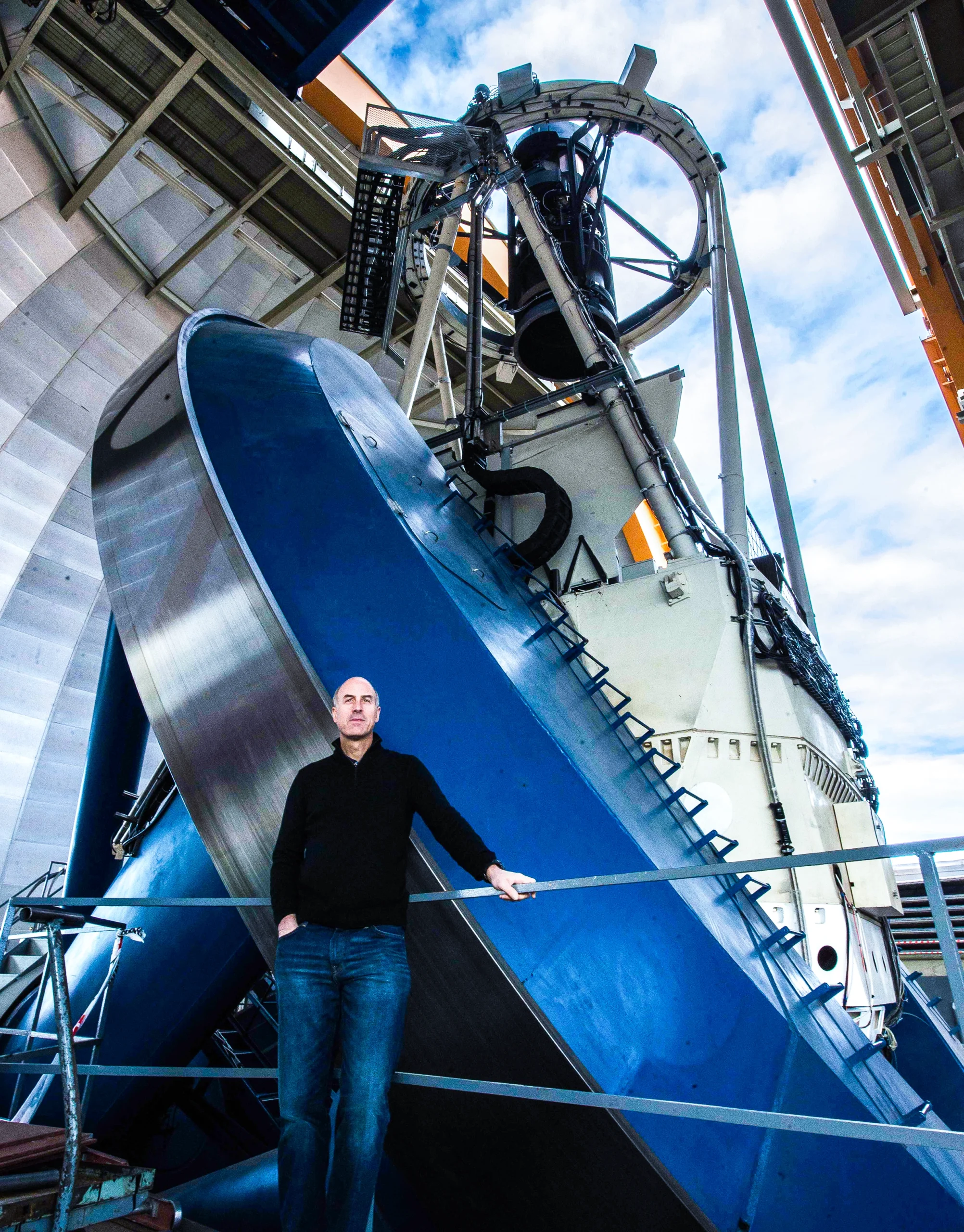
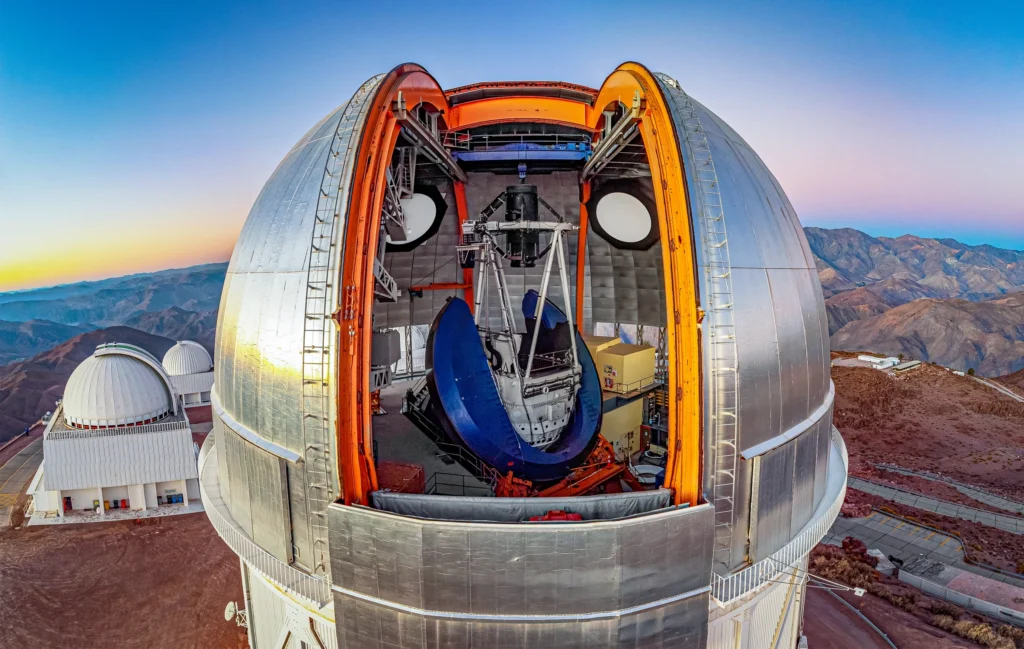
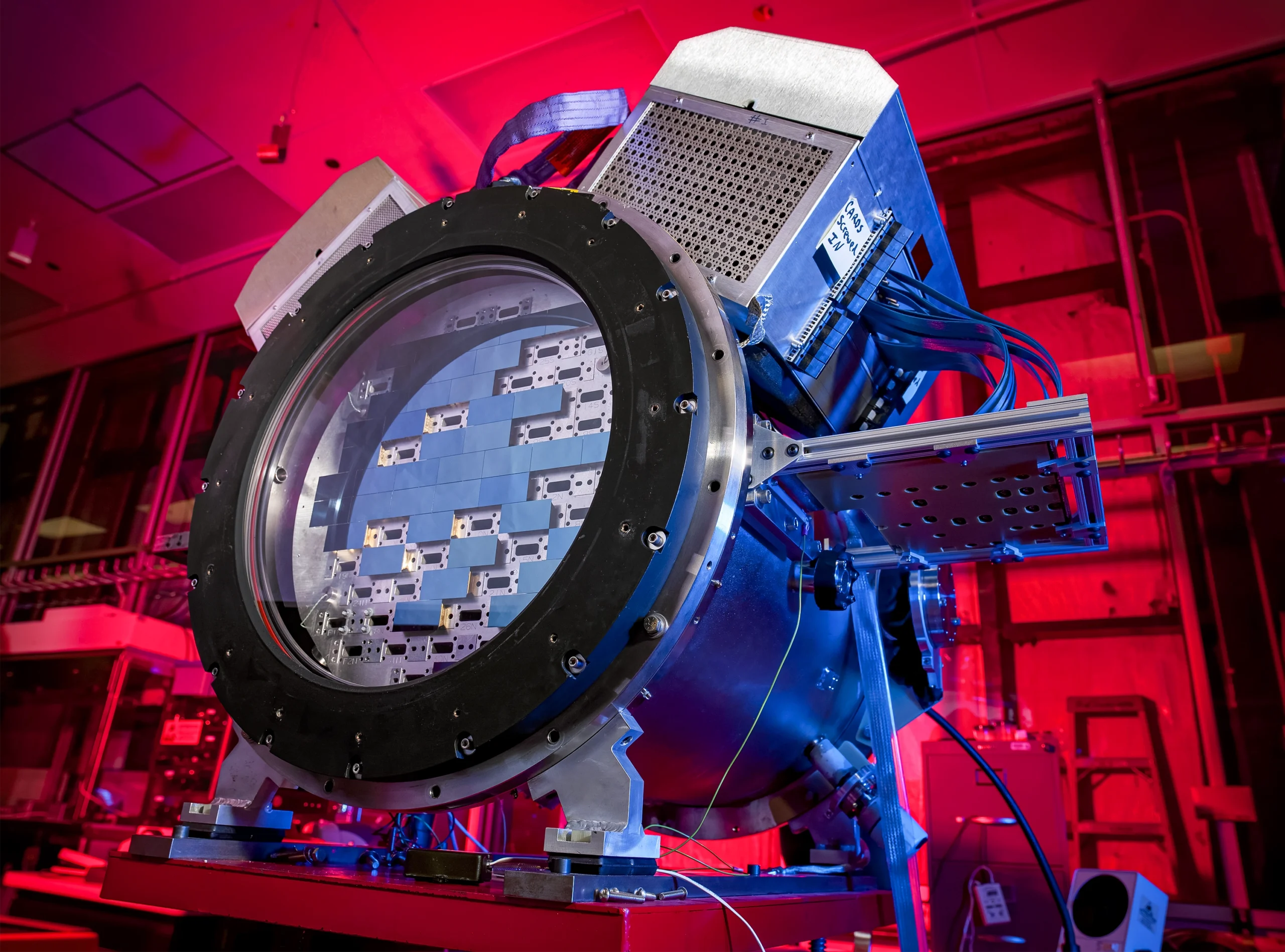
As reported on November 16, 2026, the survey shared findings from its full dataset in May 2026, following two decades of work. Using the Dark Energy Camera on Chile’s Victor M. Blanco 4-Meter Telescope, researchers observed hundreds of millions of galaxies over 758 nights between 2013 and 2019. They studied how galaxies cluster and how matter, including dark matter, distorts light from more distant galaxies. The collaboration also reprocessed a catalog of 1,600 supernovas.
Researchers combined those measurements with galaxy-distance data from the Dark Energy Spectroscopic Instrument (DESI) and observations of the cosmic microwave background. Together, the data favor a model with changing dark energy over the standard Lambda-CDM model at the three-sigma level—enough to warrant attention, but short of the five-sigma threshold physicists generally require to claim a discovery.
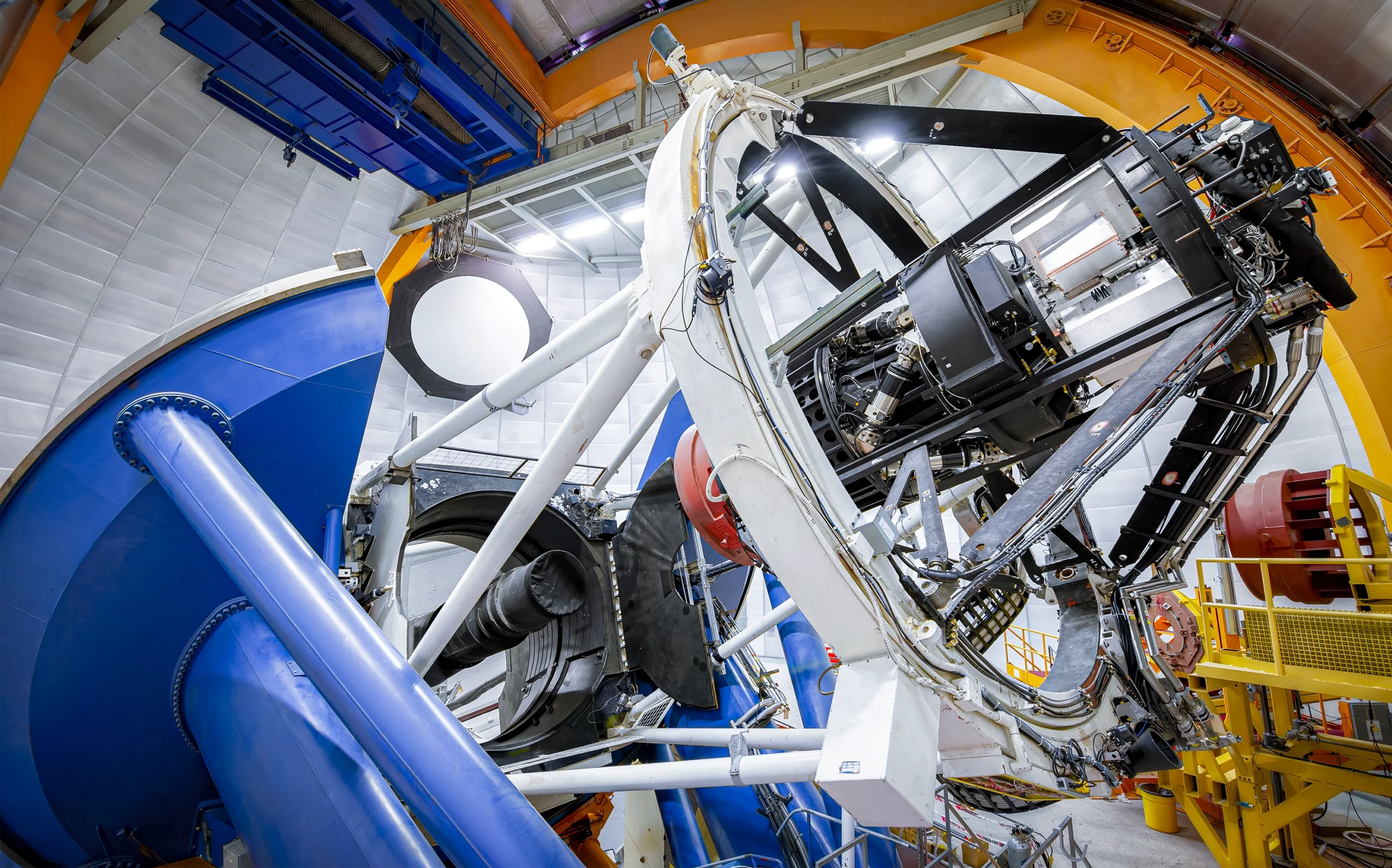
The cause of the mismatch remains unknown. Although DES found that removing any one of the compared datasets does not resolve it, that does not establish that dark energy changes. In a separate 2025 analysis, Simone Ferraro and collaborators found that changing an assumption about when early stars and possibly other bright objects cleared the universe’s hydrogen fog could improve Lambda-CDM’s fit. Ferraro said the timing is extremely hard to measure.
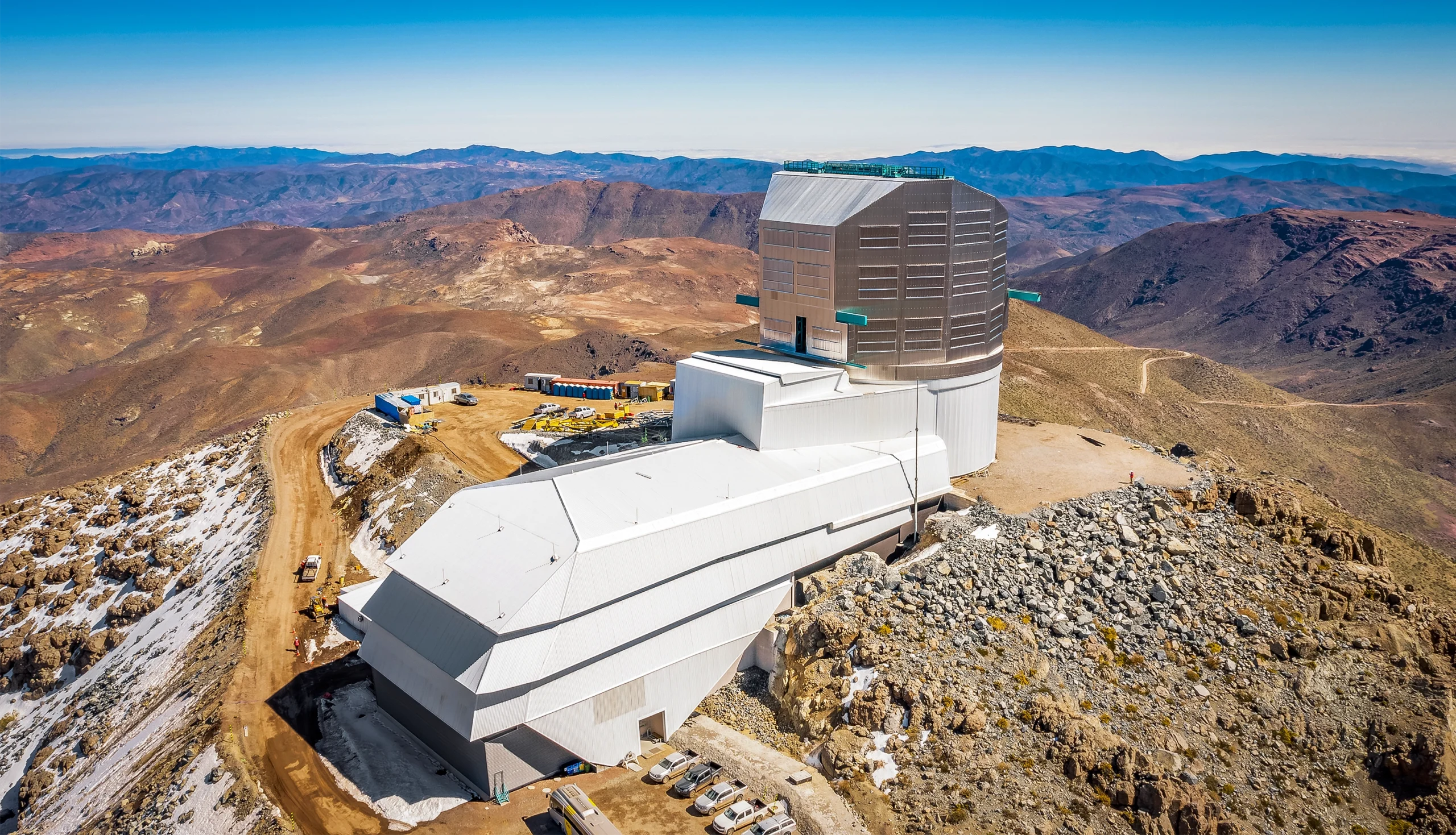
DES has ended, but DESI was expected to collect data until at least 2028. The Vera C. Rubin Observatory began survey operations in 2026 and is expected to provide further observations with which to test these explanations.