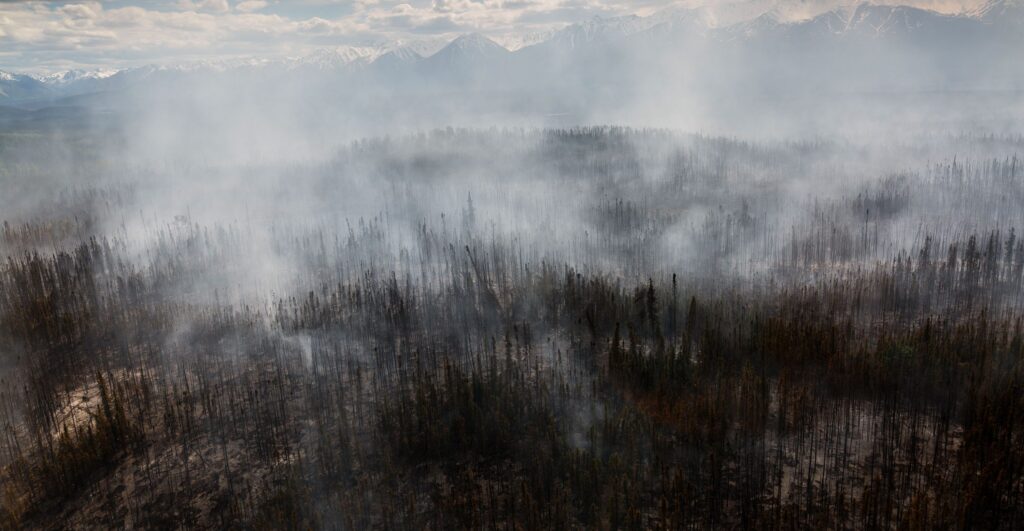
As reported on October 19, 2026, researchers in Alaska and Canada were investigating whether preventing or quickly extinguishing selected wildfires could help protect permafrost—a vast store of frozen carbon. The approach is still being tested. Wildfire is also a natural part of northern ecosystems, and it remains unclear how much intervention would reduce emissions over time.
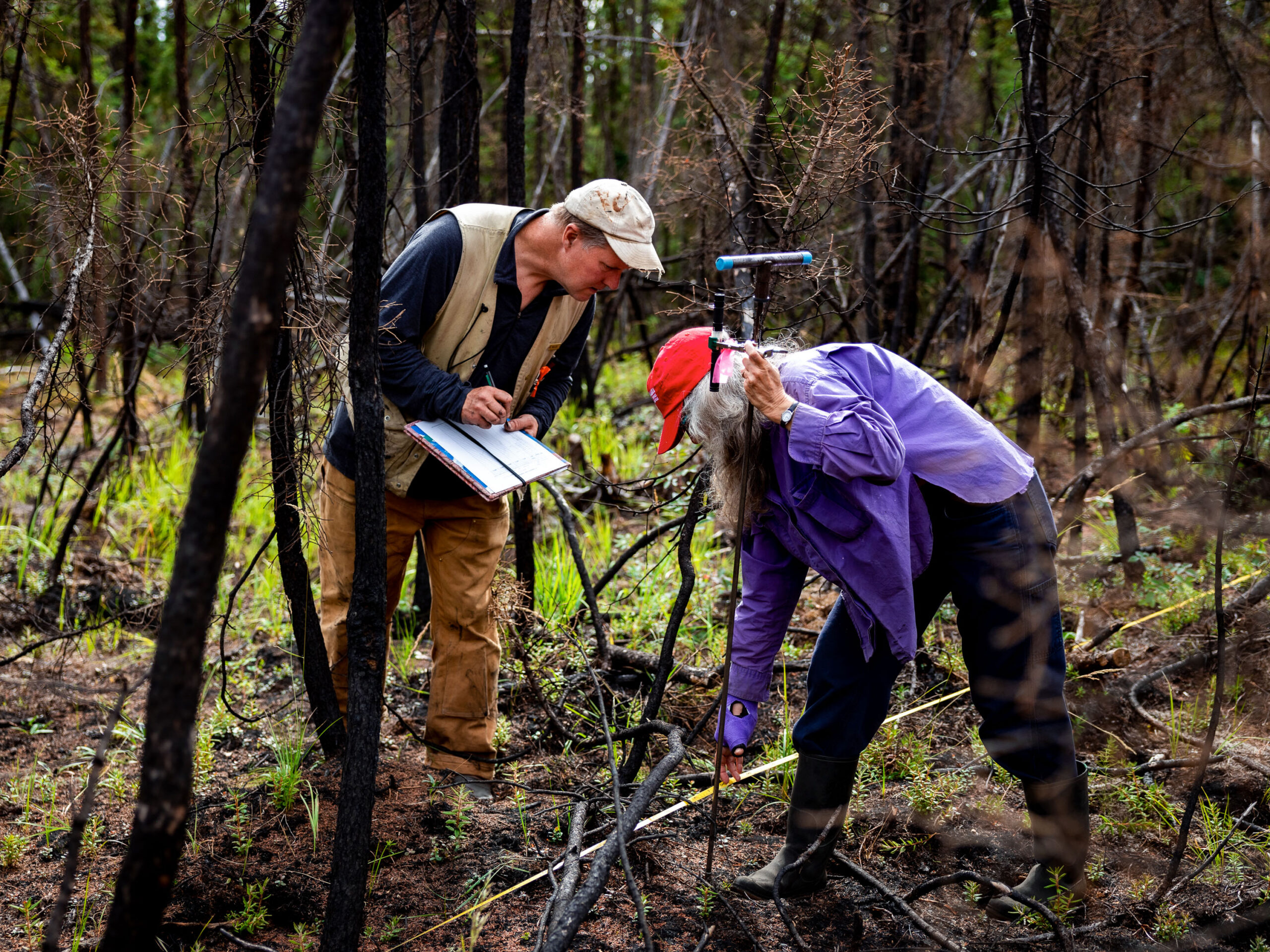
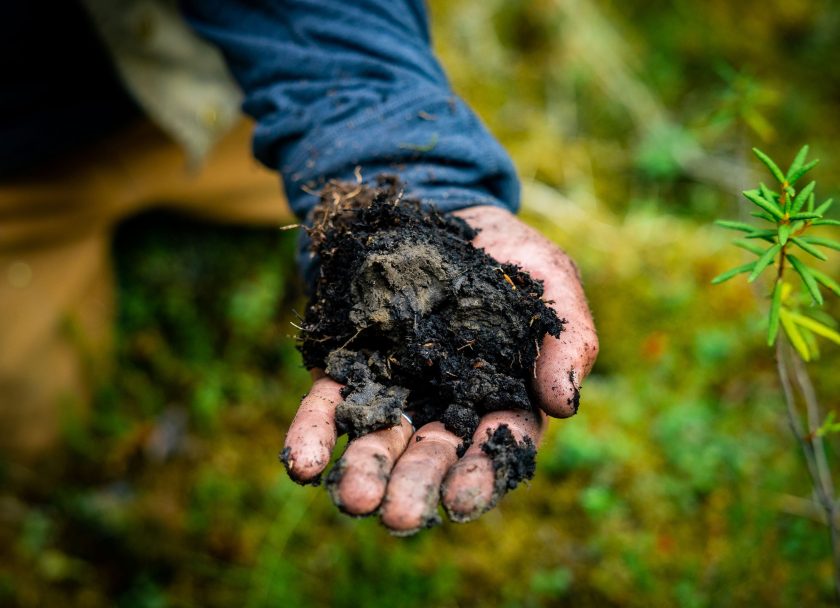
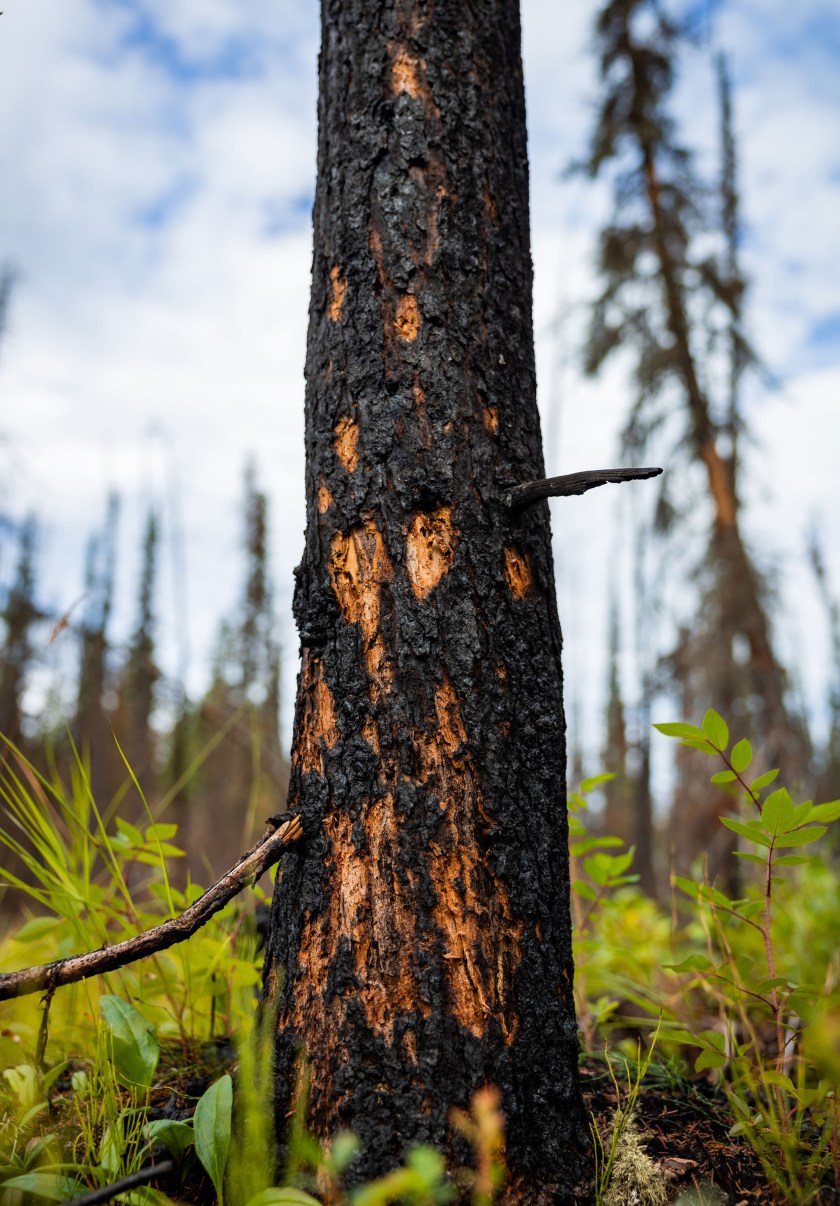
The concern is that fire can strip away moss and organic soil that insulate permafrost. During a visit to the site of Alaska’s 2021 Yankovich Road Fire, members of the Alaska Fire Science Consortium found frozen ground about a foot below an unburned area. In the burn scar, a probe went at least three times deeper. The comparison illustrates local thaw after fire; it does not, by itself, establish the effect of fire management across the Arctic.

Permafrost across northern latitudes holds roughly 1.5 trillion tons of carbon. A study cited in the report estimated that, under high-warming scenarios, fire-driven permafrost thaw could release the equivalent of nearly 80 billion tons of carbon dioxide by 2100. That is a projection, not an observed emissions total.
Testing where intervention might help
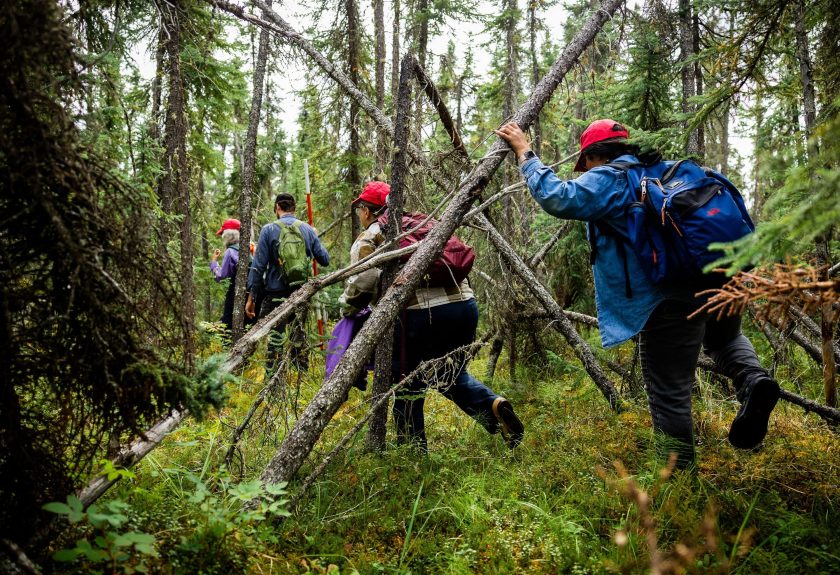
The Woodwell Climate Research Center, the University of Victoria’s Polis Project on Ecological Governance and the Alaska Venture Fund are partnering on North Fire, a multimillion-dollar initiative to study potential interventions. The work includes mapping areas where fires could threaten carbon-rich permafrost and examining prevention and early suppression. Woodwell scientist Brendan Rogers said the aim is to prioritize resources, not to put out every fire.
An existing pilot covers 1.6 million acres of Alaska’s Yukon Flats National Wildlife Refuge. Fire managers agreed to try to extinguish fires there when resources are available and they believe a blaze can be contained within 72 hours, even if it does not threaten homes. Researchers plan to study the effects on permafrost loss and fire emissions. The federal government preserved the pilot in February 2026 and broadened its stated goals to include habitat diversity, water quality and air quality.
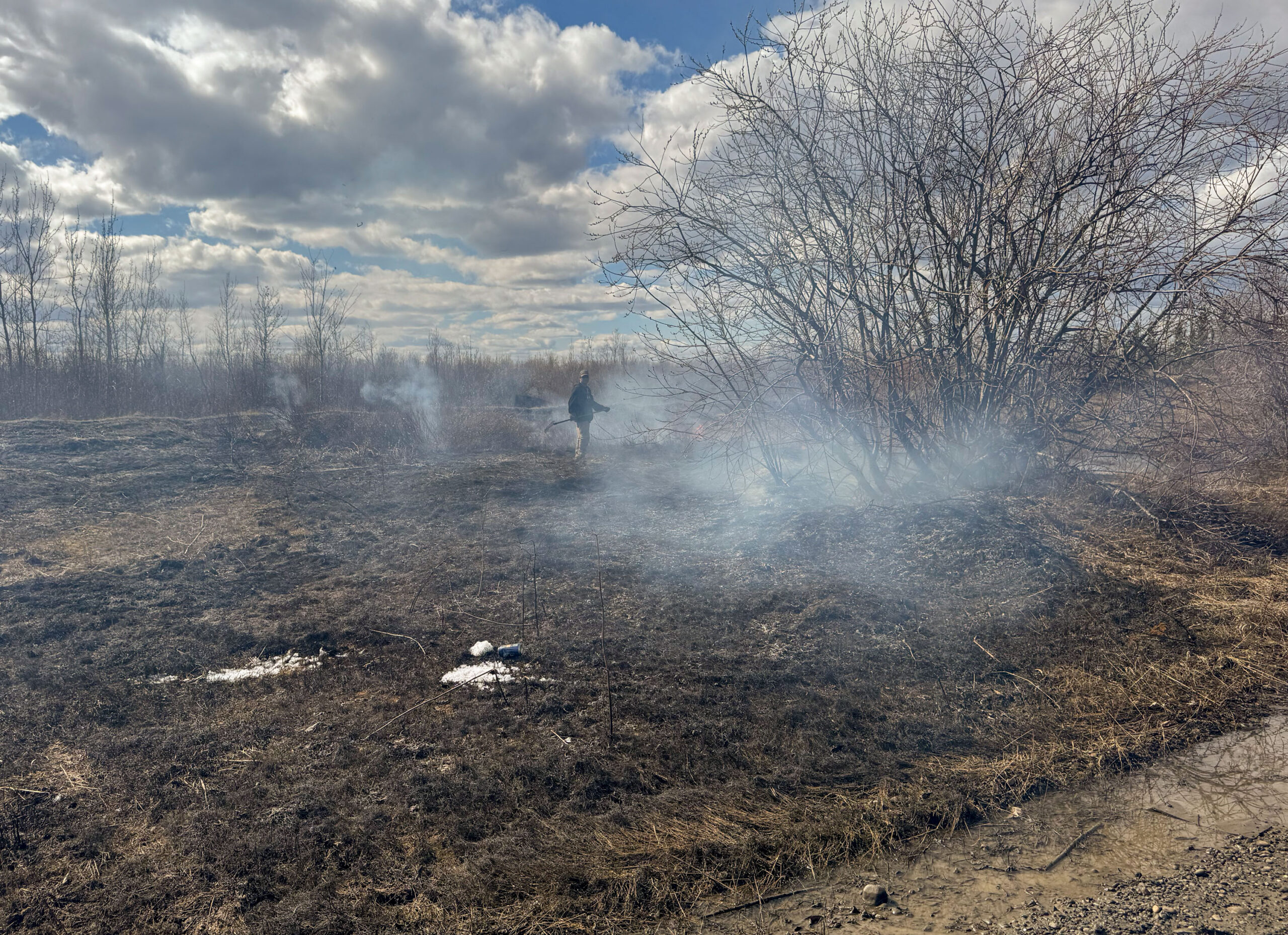
North Fire also plans to study cultural burning near Fort Yukon. According to Rogers, a crew operated by the Council of Athabascan Tribal Governments was expected to carry out burns in spring 2027, with researchers collecting data over several years. Planned work in British Columbia will examine how fuel breaks made by logging or introducing less flammable trees affect fire risk. These projects have not yet established that the measures will protect permafrost carbon at scale.
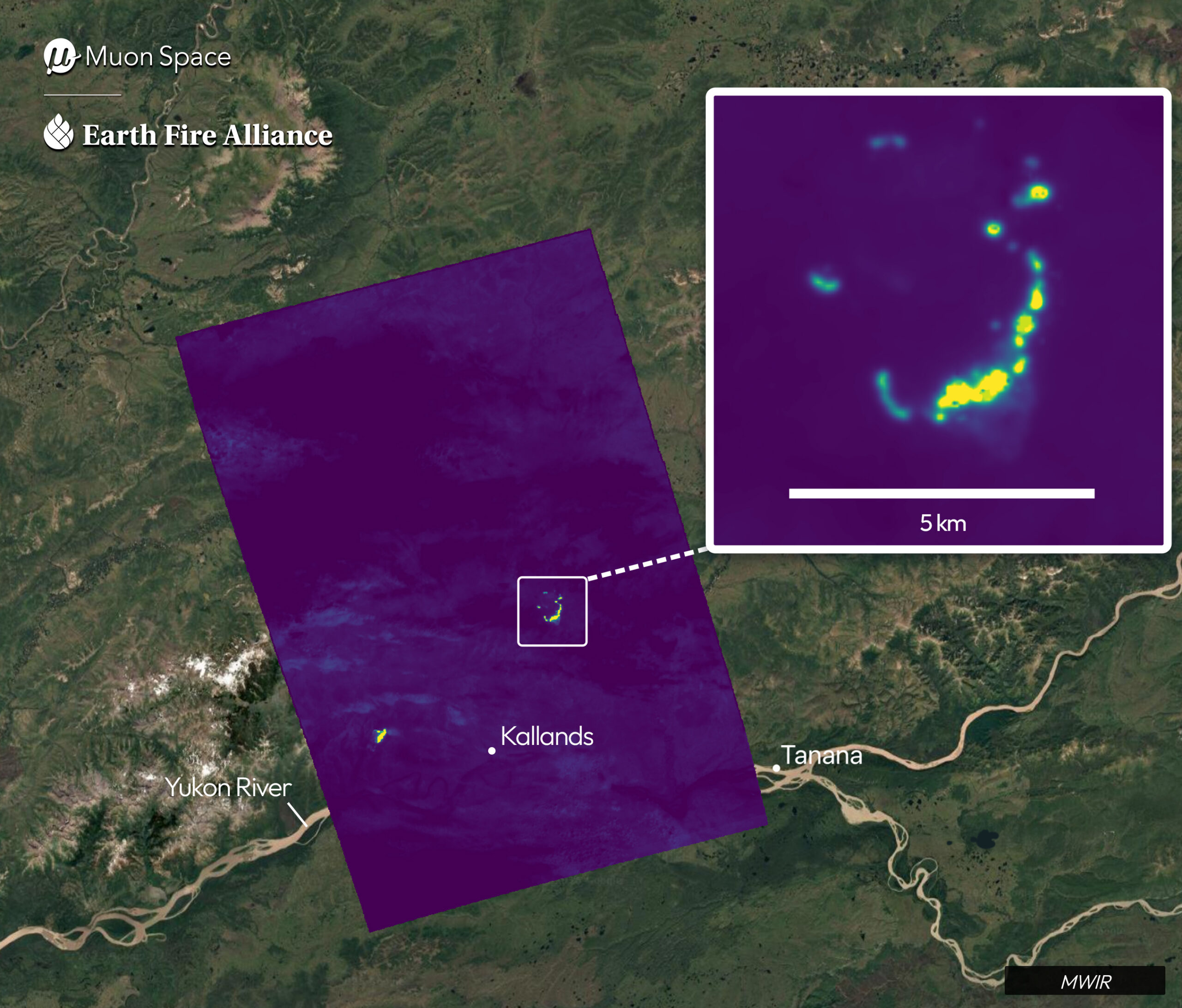
Earlier detection could offer another option. FireSat’s prototype satellite launched in 2025, and three operational satellites entered orbit in July 2026. Its operators expected to begin providing fire data at least twice daily to early users by the end of 2026. A proposed constellation of more than 50 satellites could eventually provide updates every 20 minutes or less, but that capability was not yet in place at the time of the report. Detection alone would not ensure that crews could reach remote fires in time.
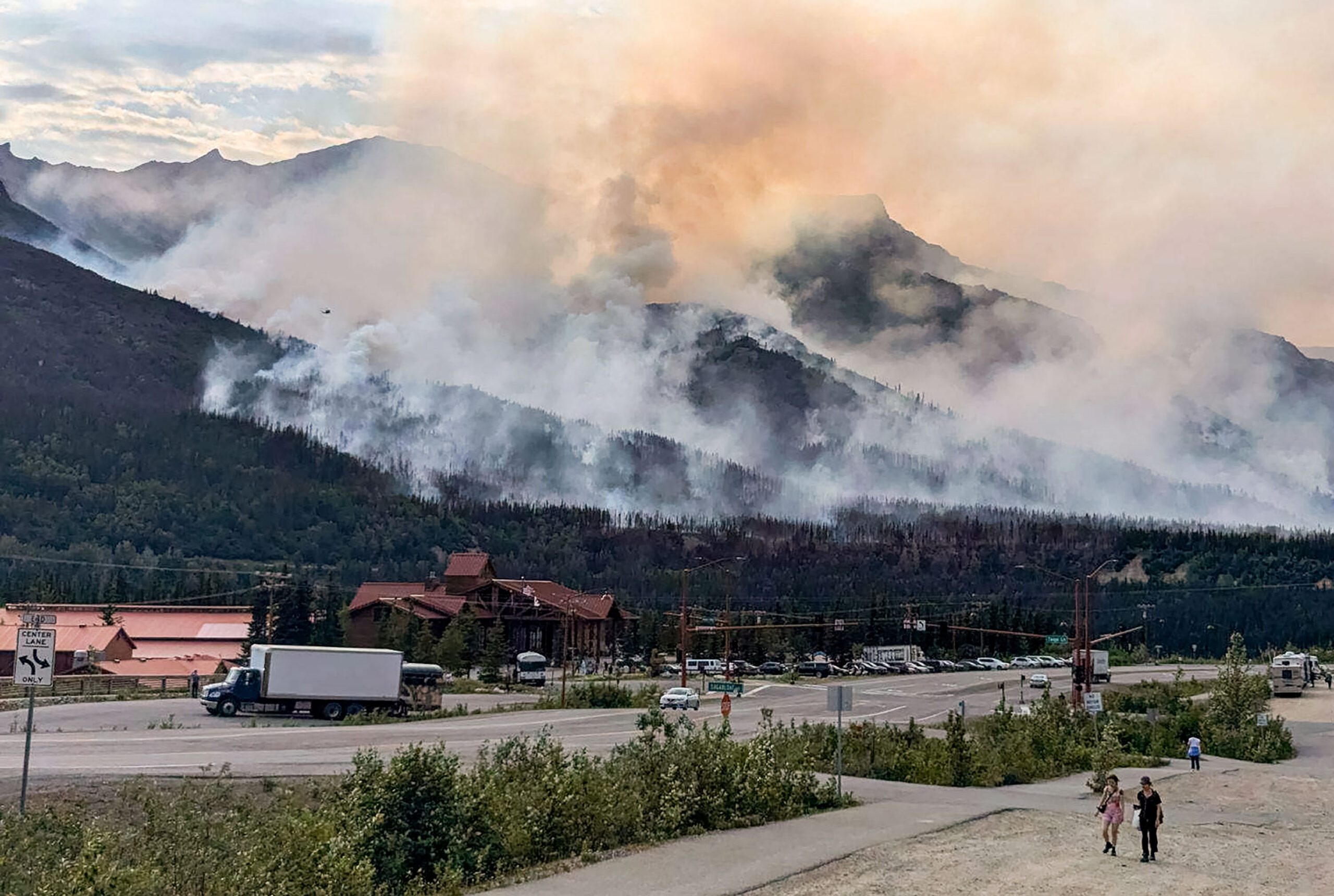
A 2022 Science Advances paper estimated additional boreal fire suppression costs at about $12.63 per metric ton of avoided carbon dioxide emissions. Applying greater suppression in Alaska would nevertheless require substantial spending: the researchers estimated roughly $7 billion this decade to hold fire emissions at historical levels, followed by another $7 billion to $50 billion over the subsequent 30 years.

Northern Arizona University ecologist Michelle Mack cautioned that some boreal fires spread too quickly or unpredictably for early suppression, and that extinguishing one fire may merely postpone a later one. She saw clearer opportunities in some early-stage fires and suggested that thinning, prescribed burning and less flammable trees may be more promising than a technological fix alone. The research must also weigh firefighters’ safety, the ecological role of fire and whether any emissions savings endure.