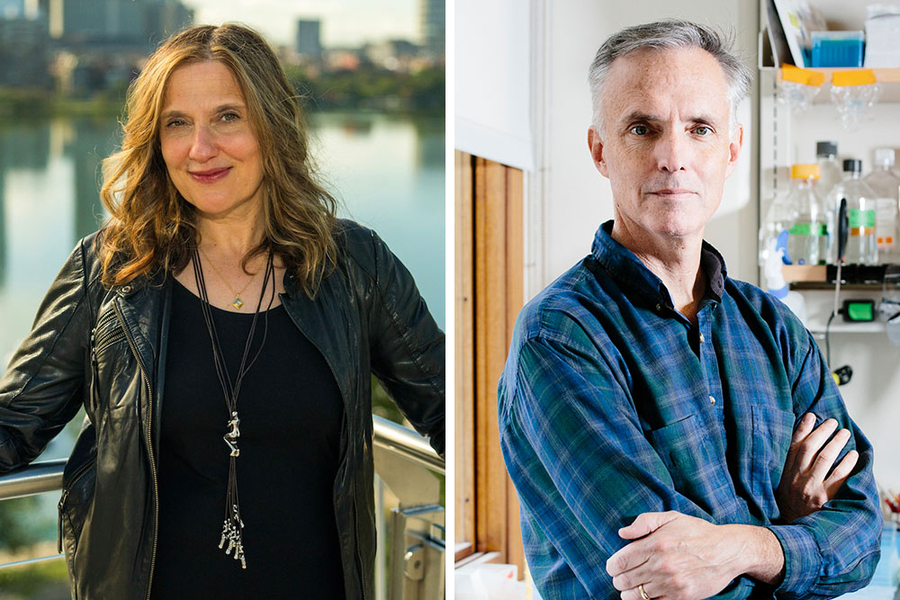
In a November 2, 2026 announcement, MIT reported that Regina Barzilay and James Collins had received the 2026 Pritzker Prize for AI in Science Research Excellence. The prize recognizes their joint work using AI, bioengineering and experimental testing to identify potential antibiotics against drug-resistant bacteria.
Barzilay and Collins, who co-lead MIT’s Abdul Latif Jameel Clinic for Machine Learning in Health, published a study in Cell in 2020 with first author Jonathan Stokes, then an MIT postdoctoral researcher. Their deep-learning model, trained on 2,500 molecules, identified halicin—a compound previously studied as a potential diabetes drug. In subsequent tests, the team found it could kill several antibiotic-resistant bacteria, including Clostridium difficile, Acinetobacter baumannii and Mycobacterium tuberculosis.
The researchers later worked with Stokes, now at McMaster University, to identify abaucin in 2023. MIT described it as a narrow-spectrum antibiotic candidate effective against A. baumannii. These findings concern antibiotic discovery and experimental testing, not a reported treatment for patients.
Collins said AI is beginning to serve not only as a way to find compounds but also as a tool for designing them. Barzilay cautioned that AI currently automates only parts of drug discovery and that more realistic models of human biology are needed to transform the process.