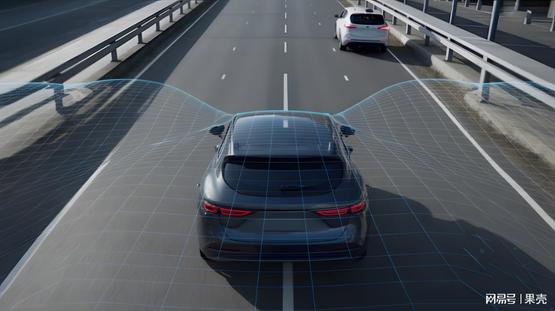
As reported on November 18, 2026, Tesla may be narrowing what comes standard on newly produced vehicles in the United States and Canada. According to reports cited in the original account, those vehicles would retain traffic-aware cruise control, which adjusts speed relative to traffic ahead, but would no longer include Autosteer, which helps keep the vehicle centered in its lane. Drivers wanting Autosteer would instead need a $99-a-month Full Self-Driving (FSD) subscription. The account also said the one-time FSD purchase option had been removed in North America.
The reported change concerns newly produced North American vehicles, not vehicles already delivered; the account said China was not affected at the time. An unnamed source attributed the decision to Elon Musk and linked it to a target of 10 million FSD subscribers in his compensation plan. Tesla had not formally confirmed that explanation.

The question is where manufacturers draw the line between a vehicle feature and a paid service. Lane-centering assistance is related to widely available lane-keeping systems, though their behavior and capabilities differ. The original account argued that moving Autosteer behind a subscription runs against buyers’ growing expectation that such assistance comes with the car. That is an interpretation, not an established industry standard.
The commercial case is also uncertain. Tesla’s chief financial officer said on an October 2025 earnings call that about 12% of users paid for FSD. Separately, publicly reported figures cited in the account put FSD subscribers at 1.74 million in the third quarter of 2026. Those figures use different measures and dates and cannot be directly combined. The account suggested that fewer active users could mean less data on how the system performs in real driving, while noting that Tesla’s shadow mode can gather data even when a feature is not activated.
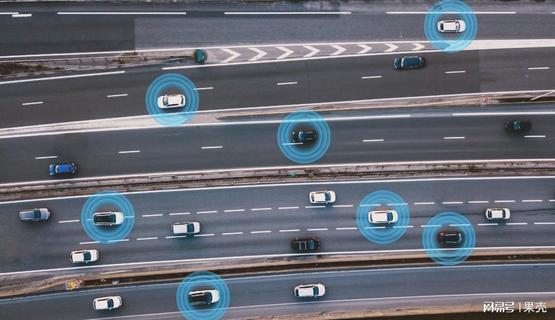
A contrasting approach is to deliver more driver-assistance hardware with the vehicle. Huawei QianKun said its system had been installed in more than 2 million vehicles across 25 brands and more than 60 production models by September 2026. It reported a 97.5% monthly active-use rate and more than 15 billion kilometers of cumulative assisted driving. These are company-reported figures; the installation total includes the SE camera-only version and does not mean every vehicle has advanced urban-driving capability.
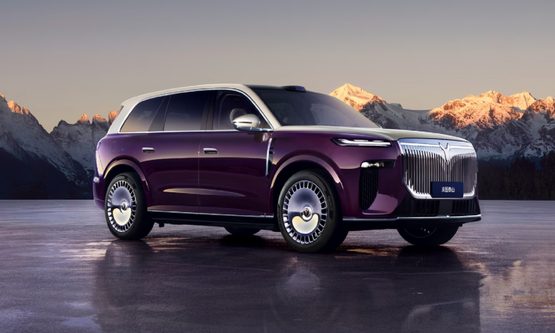
The account cited the Voyah Taishan as a hardware example: it comes with Huawei QianKun ADS and four lidar sensors, including a main 896-line dual-optical-path unit. Bundling hardware does not make it free—its cost can instead be reflected in the vehicle price, including for buyers who seldom use advanced assistance. Neither that approach nor subscriptions settle which capabilities should be considered part of the car and which should be sold as ongoing services.