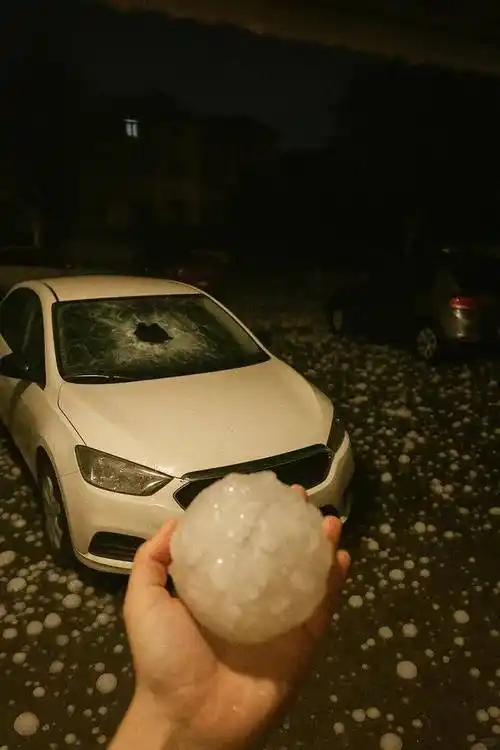
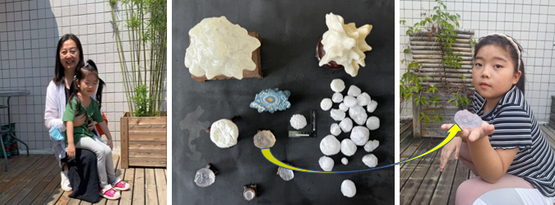
In a talk delivered in Shanghai on September 10, 2026, Peking University physicist Zhang Qinghong described a research effort that began in 2016: asking the public to collect and freeze hailstones so scientists could examine how they formed. The talk was reported on November 18, 2026.
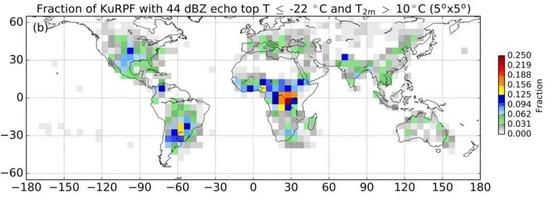
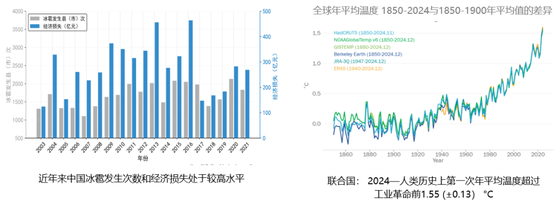
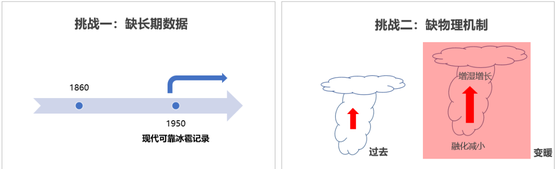
The project sits alongside a larger question: is hail changing as the climate warms? Zhang noted that the IPCC’s fifth and sixth assessments assigned very low confidence to long-term hail trends. One obstacle is the lack of a continuous, long-term record of hail observations.


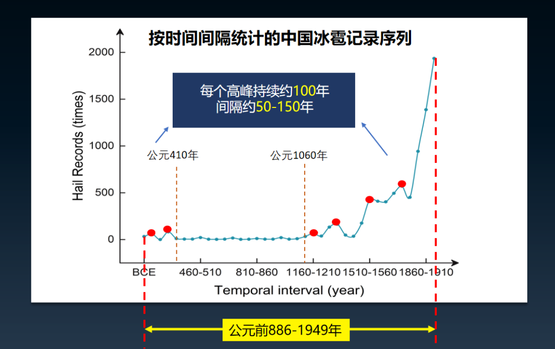

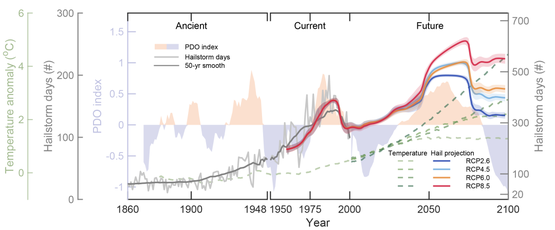
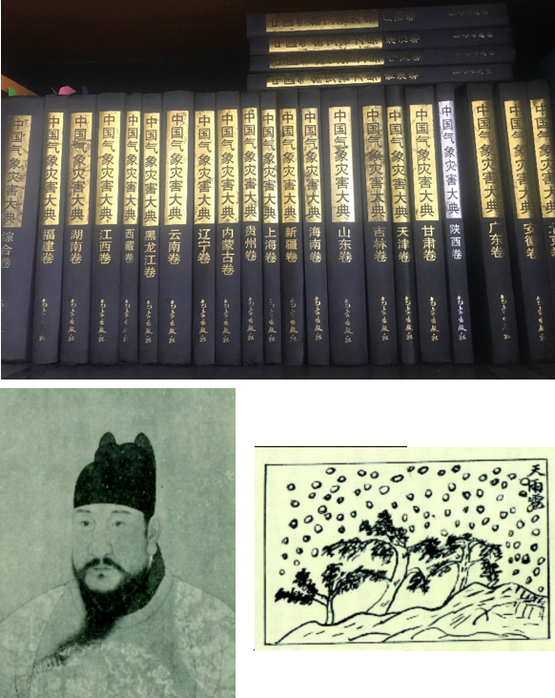
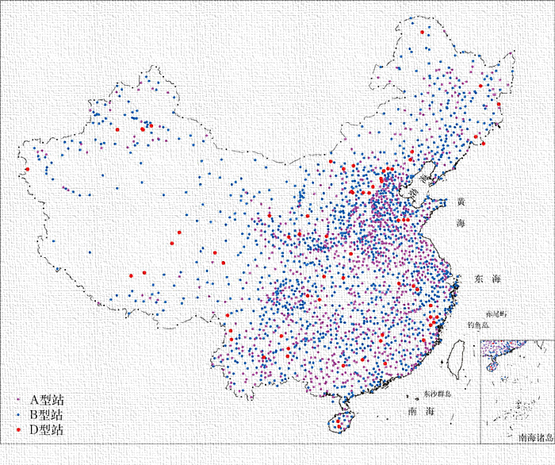
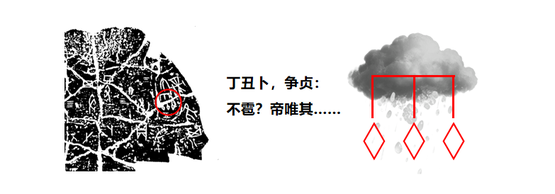
To extend the record for China, Zhang’s team combined historical accounts of hail damage with modern weather-station data. The earliest historical record they used dates to 886 BCE. They trained a model on records from 1500 to 1948 and tested it against modern data from 1950 to 2000. Zhang said the analysis linked changes in Chinese hail days to global average temperature and the Pacific Decadal Oscillation. Under the high-emissions RCP8.5 scenario, the model projected a peak in hail frequency around 2072, 107% above its 2017 level. That is a scenario-based model result, not an observed increase or a certain forecast.

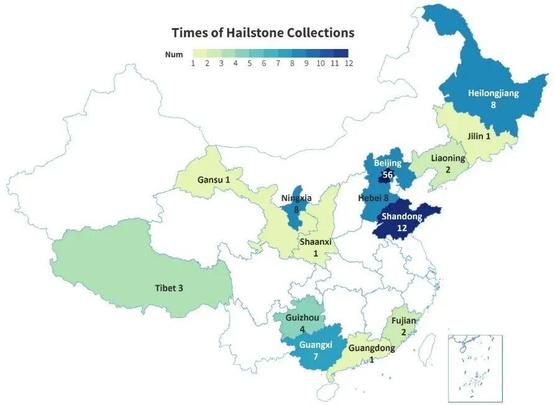
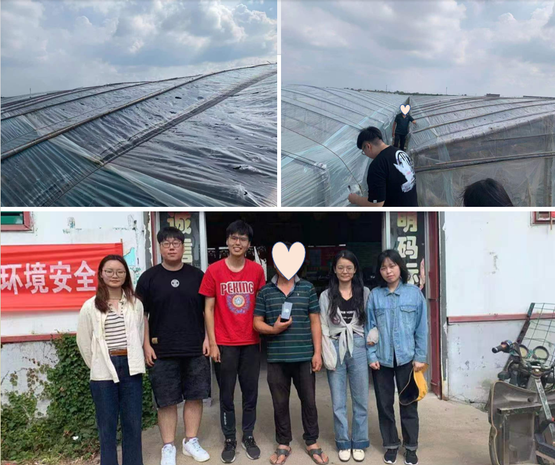
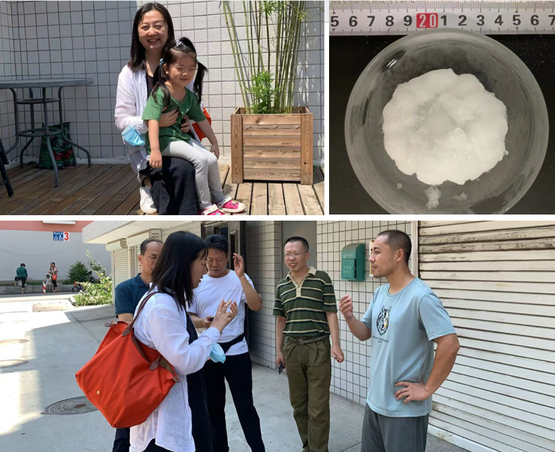
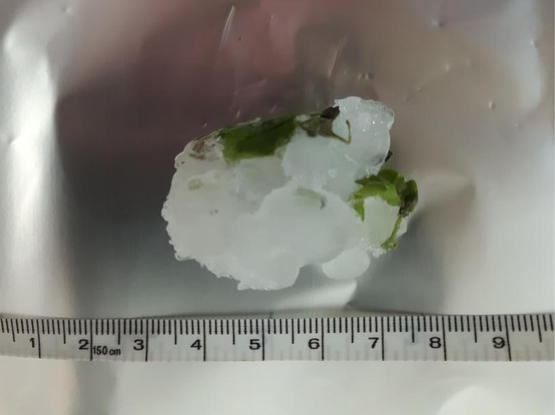
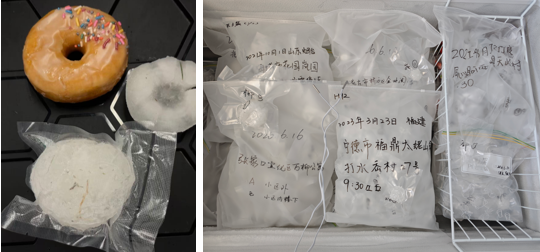
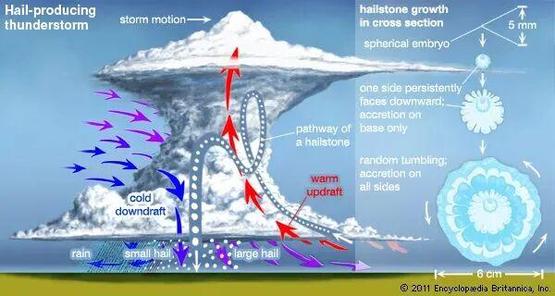
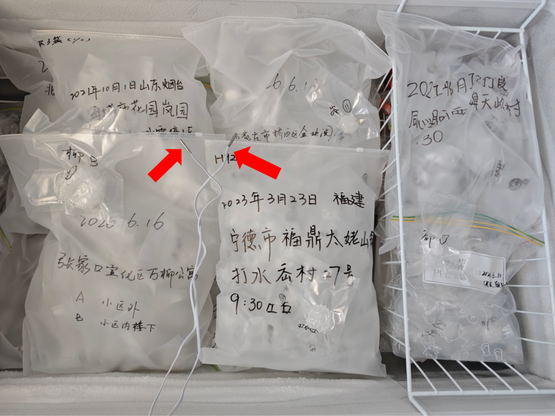
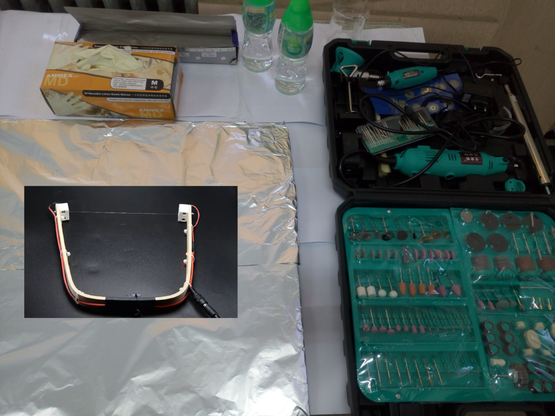
The collected hailstones offer a different kind of evidence. Zhang said the team had received 3,063 stones from 101 hailstorms over roughly ten years; later in the talk, she put the total collected since 2016 at more than 3,600. The team learned to package stones separately after early samples froze together, and developed a machine that cuts them at −8°C. By separating transparent and opaque layers in the slices and measuring isotopes, the researchers inferred the heights the stones passed through as they grew.

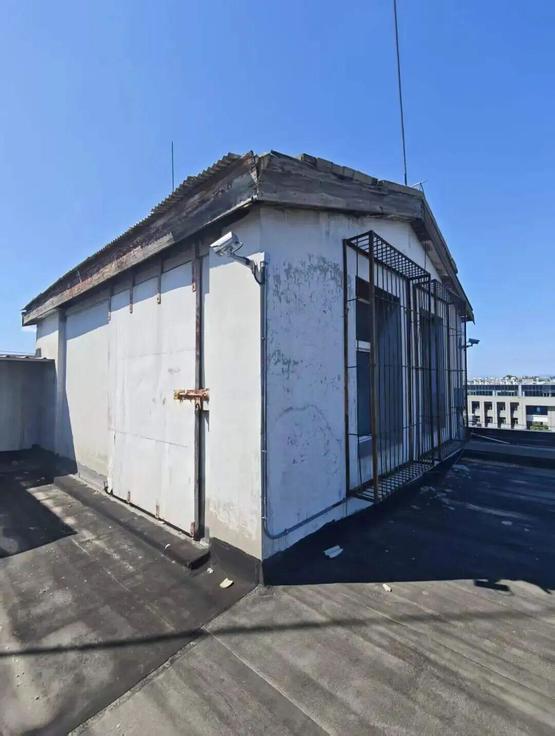
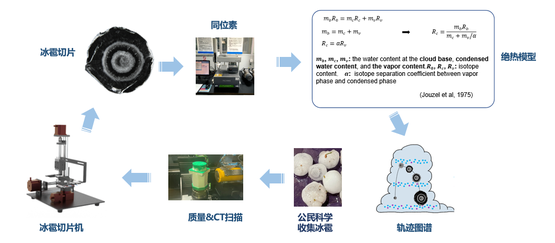
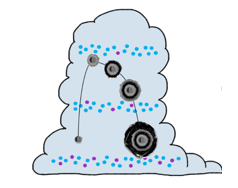
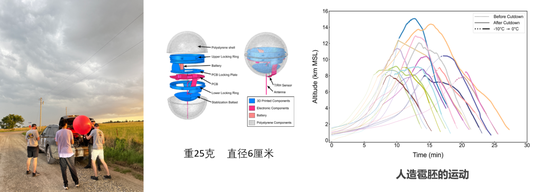
Zhang said those measurements suggested a growth path involving one ascent followed by a descent, rather than repeated trips up and down through a cloud. She acknowledged that some scientists questioned whether the isotope evidence could establish that path. She said trajectories from 23 artificial hail-embryo probes released during an international experiment in May 2025 subsequently supported the team’s interpretation.
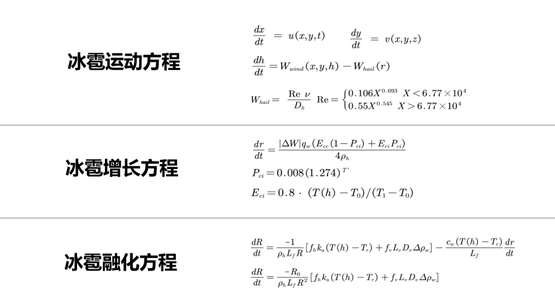
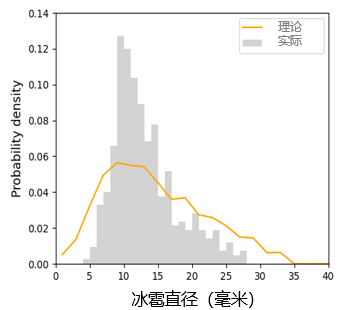
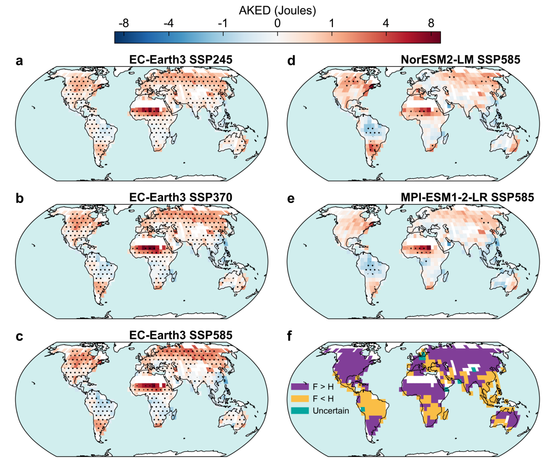
The team also built a three-dimensional hail-growth model. Zhang said its simulated size distribution broadly matched the median of a sample of 450 hailstones collected during a Beijing storm in 2021. Applied to future warming, the model indicated greater potential for large-hail damage at middle and high latitudes, but less at low latitudes, where increased melting could reduce hailstone size. These are modeled outcomes, and Zhang said direct measurements for validating the model remain limited.