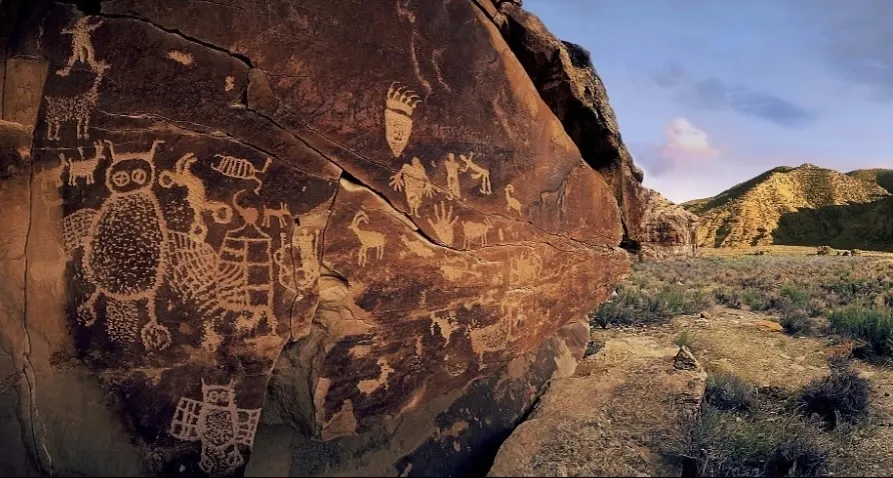
As reported on November 18, 2026, three conservation and historic-preservation groups were challenging a federal approval for a road project near Utah’s Nine Mile Canyon, known for its Native American rock art and other historic sites. The proposed route would carry trucks between oil fields in the Uinta Basin and rail-loading facilities in Carbon County. The federal government had not yet filed a response in court.
The Nine Mile Canyon Coalition, Southern Utah Wilderness Alliance and Center for Biological Diversity filed suit in October against the Department of the Interior and the Bureau of Land Management (BLM). They argue that the agency approved the Gate Canyon road project without adequate public participation or review of its potential effects on cultural sites, wildlife and the environment. A BLM spokesperson declined to comment on the lawsuit.
The plan calls for widening, paving and straightening the winding Wells Draw Road through Gate Canyon, a tributary of Nine Mile Canyon. The proposed highway would cross 5.3 miles of BLM and Utah state trust land; an amended right-of-way covers 2.8 miles of federal land. The project could bring up to 500 heavy trucks a day through Nine Mile Canyon, according to the original report. Duchesne County has said a straighter road would make travel safer.
BLM documentation from 2015 identified 47 historic sites in Gate Canyon, 43 of them eligible for the National Register of Historic Places. The plaintiffs say the agency approved the latest plan without identifying historic or archaeological resources, despite its earlier draft assessment noting sites close to the existing road. They also point to potential habitat for the threatened Mexican spotted owl identified in that draft. These are claims in the lawsuit, not court findings.
The BLM had considered the road realignment since 2015. After an earlier proposal stalled, a Duchesne County special service district submitted a new plan in September 2025 and finalized it on April 13, 2026. The BLM approved it on April 28, concluding that it would not significantly affect the environment, recreation, wildlife or quality of life. The plaintiffs dispute that conclusion and allege violations of several federal environmental and historic-preservation laws.