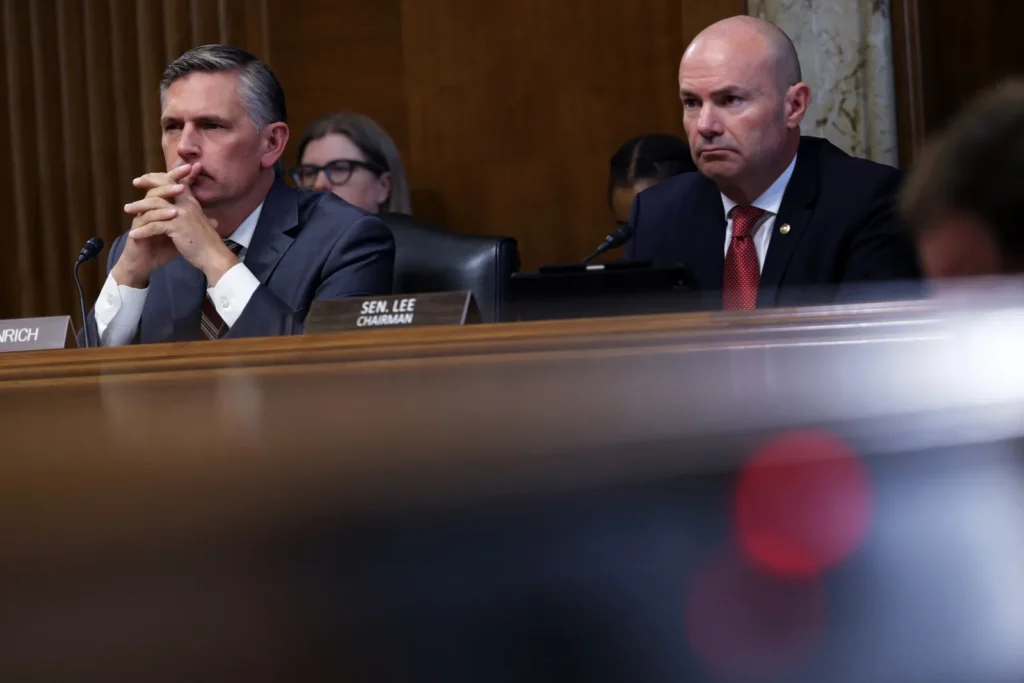
As reported on November 17, 2026, a bipartisan permitting bill in Congress had drawn support from clean-energy and fossil-fuel interests, while facing opposition from tribal nations concerned about protections for cultural and religious sites. The bill had cleared a procedural hurdle in the Senate, but its passage in either chamber remained uncertain.
The proposal would speed up reviews for energy projects and help developers build transmission lines to carry renewable power. It would also change how the National Historic Preservation Act applies to construction projects. That law requires the federal government to consider effects on historic and cultural properties, including sites outside reservation boundaries that tribes regard as part of their traditional homelands.
An earlier version of the bill would have made consultation with tribes effectively optional in some circumstances. Negotiators amended it to require tribal consultation throughout the historic review process and to prevent the government from taking over a review when tribal officials respond slowly. Opponents say two other provisions remain troubling: a narrower standard for visual impacts and a restriction that would prevent judges from halting construction over flaws in a historic review, even while ordering the government to redo its analysis.
Ira Matt, head of the National Association of Tribal Historic Preservation Officers, said the amendment addressed only some concerns and would erode protections tribes had fought to secure. Nevada Senator Catherine Cortez Masto, who voted to advance the bill, said she would not vote for its final passage because she could not ignore concerns raised by tribes in her state.
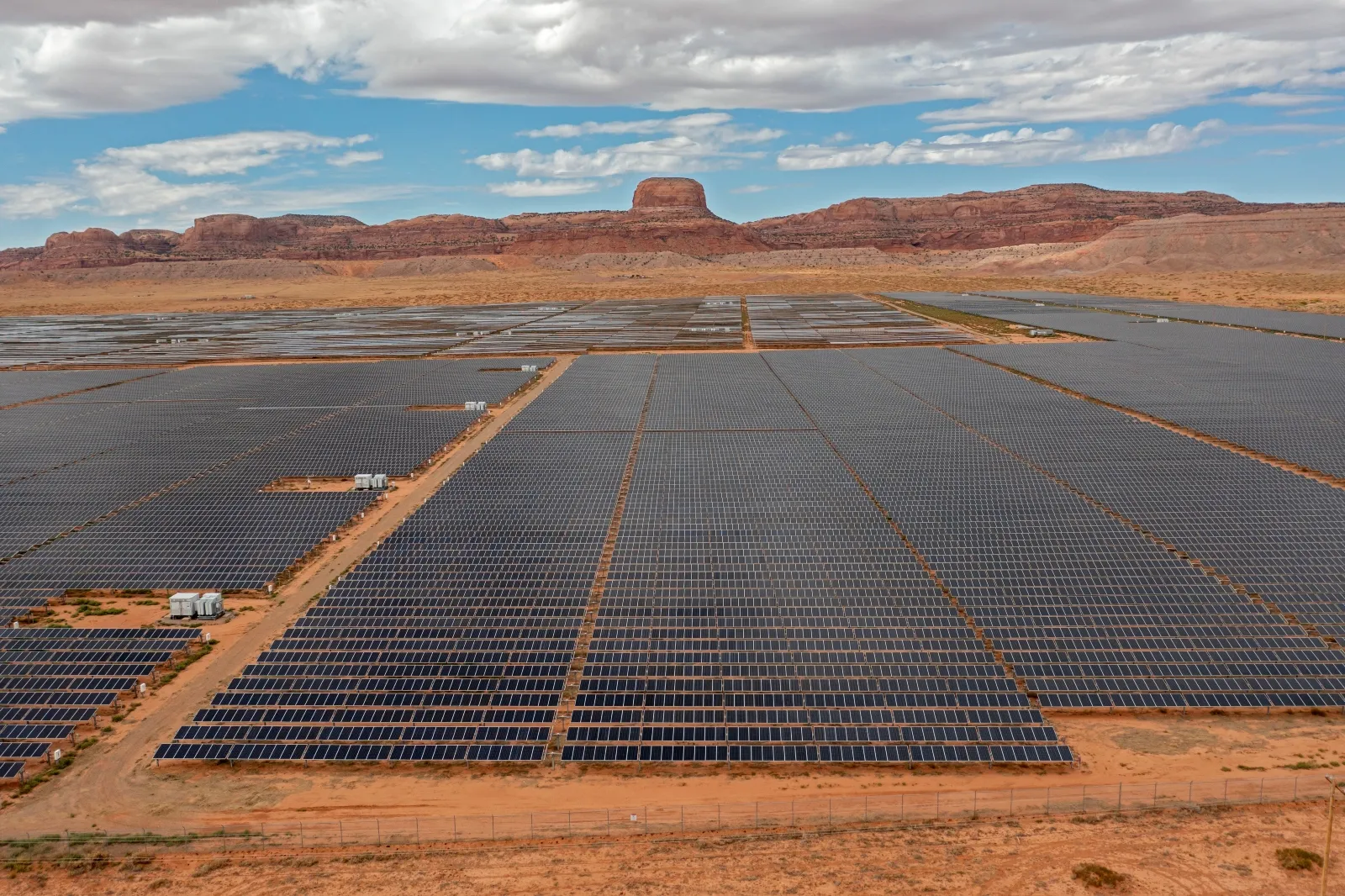
Supporters of the changes argue that historic reviews can delay clean-energy infrastructure, particularly long-distance transmission lines. Institute for Progress analysts Ben Schifman and Aiden Mackenzie cited the $11 billion SunZia line as an example of the scale of such reviews. Tribes have contested the review of that project, including the treatment of Arizona’s San Pedro River Valley, which is sacred to Apache, O’odham, Hopi and Zuni peoples. Their legal challenge was still ongoing at the time of the report.
Tribal positions on the bill are not uniform. The Apsáalooke (Crow) Tribe and the National Tribal Energy Association endorsed it, citing potential benefits for energy investment. Anthony Walters of the Alliance for Tribal Clean Energy said faster reviews and more transmission could help tribes finance renewable projects, but warned that those benefits could not justify destroying sacred sites.