As reported on November 19, 2026, researchers were investigating whether a ketogenic diet could help treat anorexia nervosa. A small clinical study produced encouraging observations, but it did not establish that the diet is effective or safe as a treatment.
In a 14-week study published in Communications Medicine, University of California, San Diego psychiatrist Guido Frank and colleagues recruited 22 people who were slightly underweight or had weight within the normal range. Eighteen completed the study. Frank said none of those 18 lost weight, and 12 had reductions in eating-disorder and depression symptoms that meant they no longer met the diagnostic criteria for anorexia.

The study was designed to examine safety and feasibility, not to prove effectiveness. It had no group receiving standard care for comparison, and 18 completers are too few for a reliable estimate of benefit. Columbia University psychiatrist Joanna Steinglass noted that participation in a clinical study and the care accompanying it could itself affect outcomes. Nutritionist Daria Igudesman also pointed to two participants whose anorexia symptoms worsened; both had among the highest ketone levels at the end of the study. Frank said their responses may have involved other factors and noted that all participants reported less depression by the end.

The treatment question is especially sensitive because anorexia involves food restriction. The ketogenic diet sharply limits carbohydrates. Duke University nutrition scientist Kylie Jeffrey described using a restrictive diet to treat an eating disorder at this stage as high-risk. Other clinicians said the lack of satisfactory treatments makes further, carefully monitored research worth considering—not that patients should try the diet on their own or replace established care.

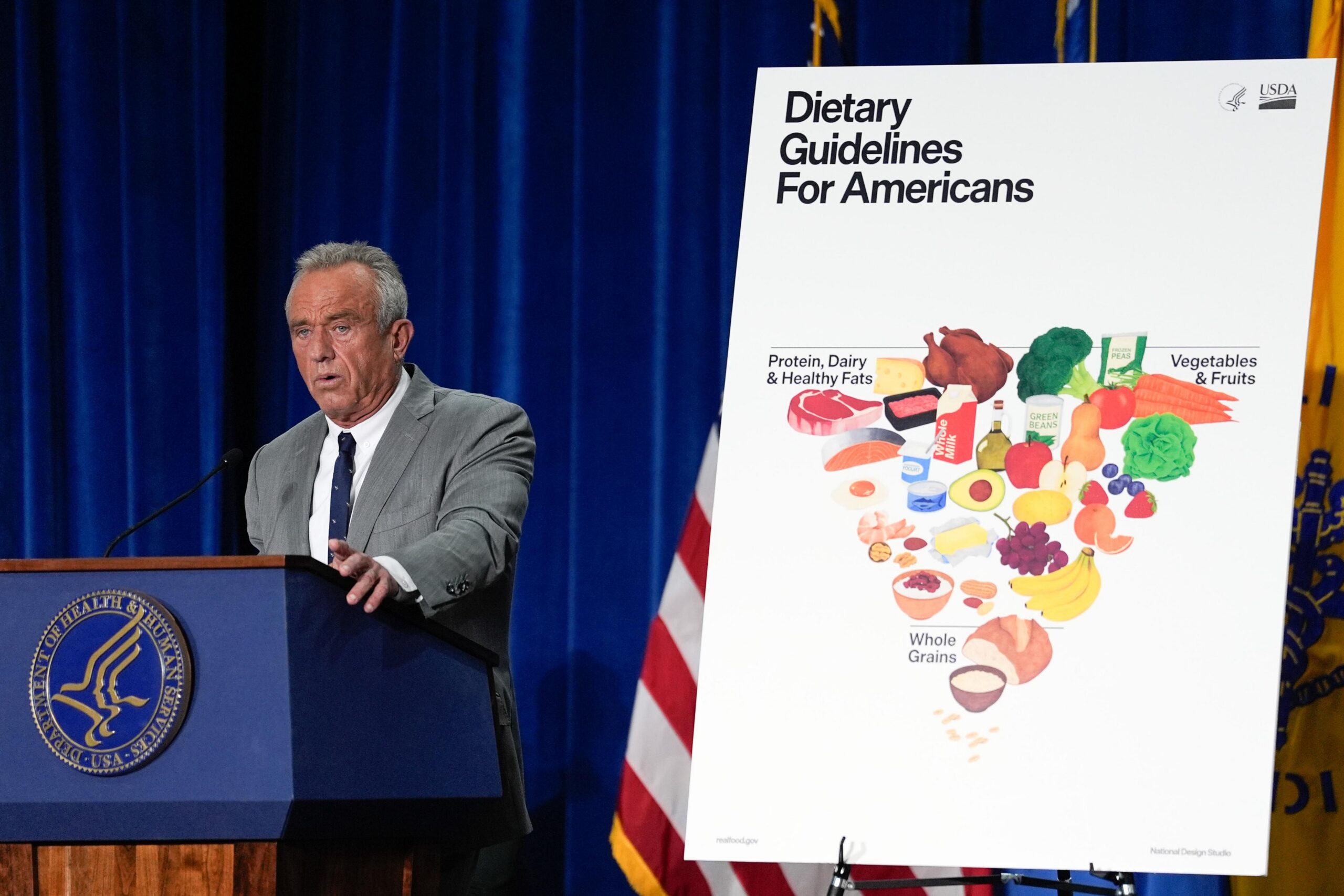
The research also has a funding dimension. The study received a $235,000 donation from Roblox cofounder David Baszucki and his wife, Jan Ellison Baszucki. Since 2021, the couple had put more than $105 million toward metabolic-health research, care and advocacy, including more than $55 million dedicated to investigating ketogenic diets for mental illness. Their support for anorexia research since 2023 totaled approximately $2 million, according to the reporting.
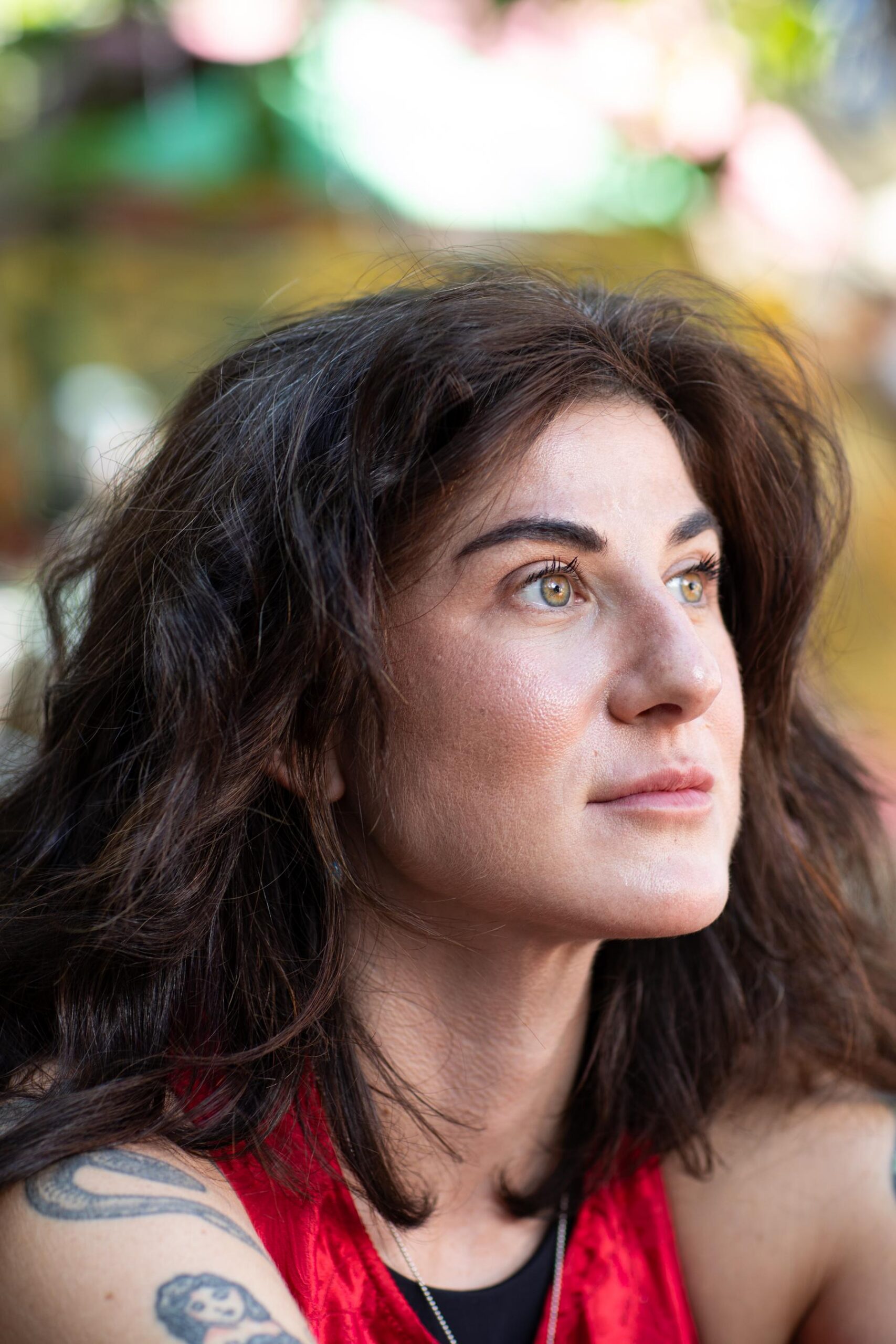
An earlier account of recovery cannot isolate the diet’s effects. Caroline Beckwith said her anorexia improved after she began a ketogenic diet, but she subsequently received four intravenous ketamine treatments and said her anorexia was gone after the third. She also described an episode resembling mania after that dose. Her aunt, physician Barbara Scolnick, has argued that the combined treatment matters. Frank’s 14-week study tested the diet without ketamine to examine it separately; it did not replicate Beckwith’s treatment.

A biological rationale remains under investigation. Genetic studies have linked anorexia risk to regions involved in metabolism, but those findings do not show that inducing ketosis treats the disorder or explain how it might do so. Larger controlled trials and closer study of potential harms are needed before the ketogenic diet can be judged against existing anorexia care.