Research presented on 15 November 2026 at the Society for Neuroscience annual meeting in Washington, DC, suggests that the brain’s response to illness may be more specific than a single, general reaction to inflammation. Much of the work described in the original report, published on 19 November 2026, had not yet been published.
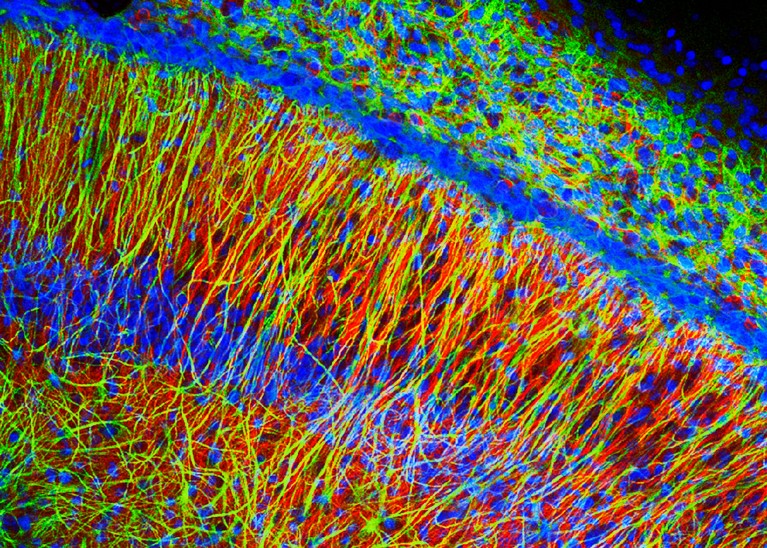
In unpublished mouse experiments, Jessica Osterhout’s team at the University of Utah compared the effects of a bacterial toxin with those of a compound that mimics viral infection. They examined cells in the circumventricular organs—brain structures whose blood vessels are unusually permeable. The team found different patterns of immune-related gene activity and chemical signalling in the two conditions. Osterhout suggested these structures may interpret signals from the body rather than simply pass them into the brain, potentially helping to explain why different infections produce different symptoms.
A separate study by Andrea Serino’s team at Lausanne University Hospital examined whether the brain can anticipate a possible infection. In virtual reality, volunteers viewed approaching avatars with skin lesions associated with viral or bacterial infections. Brain regions involved in monitoring threats became active, and after 15 minutes, participants had an increase in frontline immune cells in their blood that the researchers described as comparable to the response induced by an influenza vaccine. The same reaction was not seen with healthy-looking avatars or avatars expressing fear.
These findings point to possible links between perceived infection risk, brain activity and immune responses. The virtual-reality results do not establish that seeing signs of illness protects people from infection, while the mouse findings remain unpublished.