
Originally reported on November 6, 2026, this account revisits a question Albert Einstein raised about quantum mechanics: Does a particle have definite properties that the theory’s wave function merely leaves unknown?

Einstein, Boris Podolsky and Nathan Rosen argued in 1935 that quantum mechanics might be incomplete. In their view, the wave function could describe what an observer knows about a particle rather than the particle’s full physical state. John Stewart Bell later devised a test of a related claim: that particles have objective properties and cannot instantly influence distant particles. Experiments found correlations that rule out those two assumptions in combination; they do not, on their own, rule out every form of objective reality.
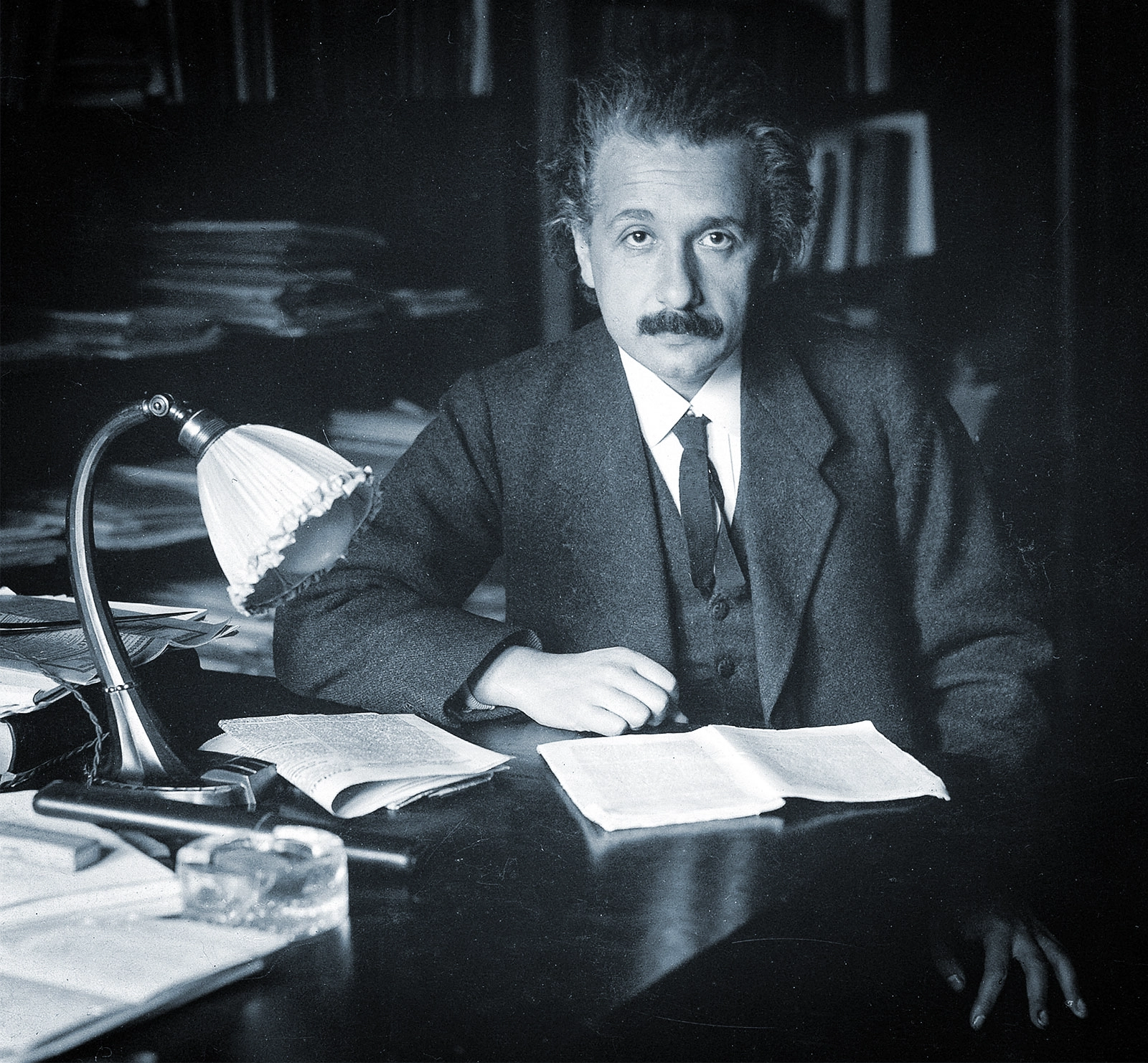
A 2012 theorem by Matthew Pusey, Jonathan Barrett and Terry Rudolph, known as PBR, tested a different possibility. Suppose particles have underlying physical states, independently prepared particles have independently determined states, and a wave function represents only incomplete knowledge of those states. PBR showed that these assumptions cannot all reproduce quantum-mechanical predictions. Under the theorem’s assumptions, distinct quantum states cannot overlap as mere descriptions of the same underlying physical state.
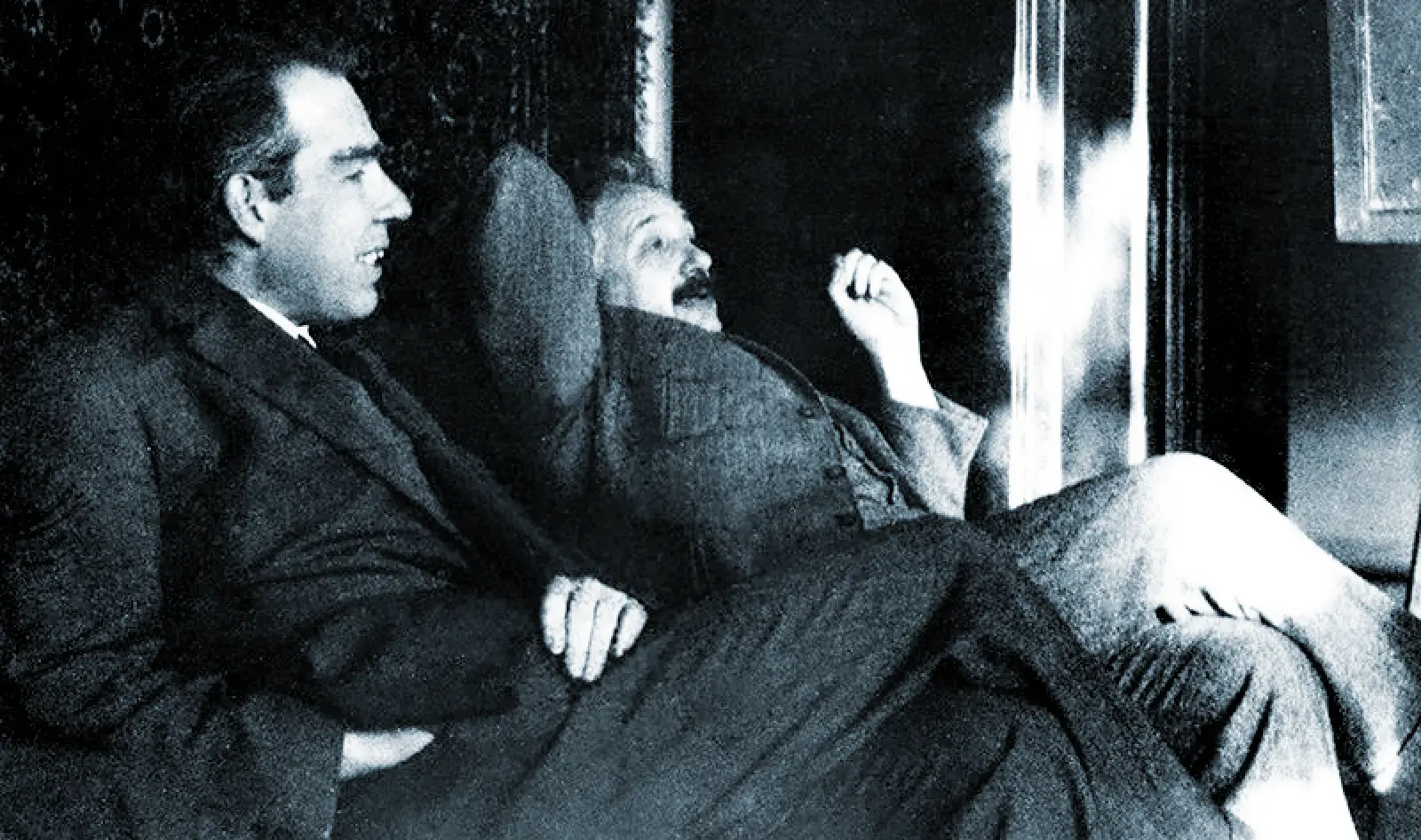
The result narrows the options for interpreting quantum mechanics, but it does not prove that nothing exists when it is unobserved. Nor does it unconditionally prove that the wave function is a physical object. Interpretations that treat the quantum state as real remain possible, while approaches that question the theorem’s assumptions about underlying states or independent preparation require separate consideration.
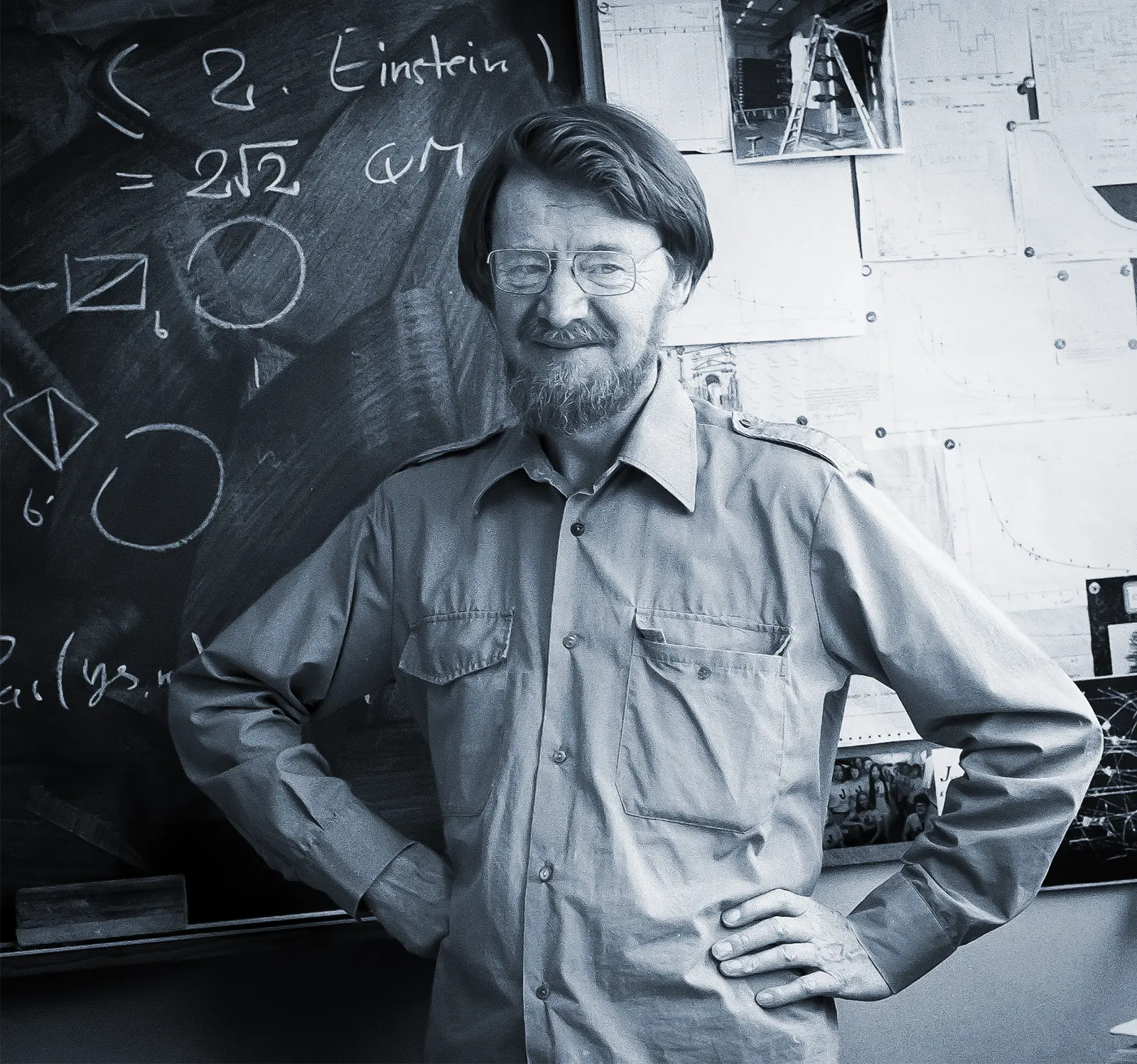
The article reported that a 2012 experiment tested a PBR prediction. It also described a later demonstration, conducted in autumn 2025 by researchers using an IBM quantum computer, as an expanded test involving five independently prepared systems rather than two. According to Cambridge physicist Crispin Barnes, who led that work, its main purpose was to probe whether the computer displayed genuinely quantum behavior—not to settle every question about reality.

PBR’s lasting contribution is therefore a precise constraint, not a final answer to what reality is: Einstein’s picture of a fully objective world paired with a wave function that only records incomplete information faces a mathematical obstacle, provided PBR’s assumptions hold.