
As reported on November 12, 2026, origin-of-life research is moving beyond the search for a single molecule or setting that started life. Experiments suggest that several kinds of biological building blocks could form under plausible early-Earth conditions. The harder question is how chemical reactions became a system that could sustain itself, pass on information and evolve.
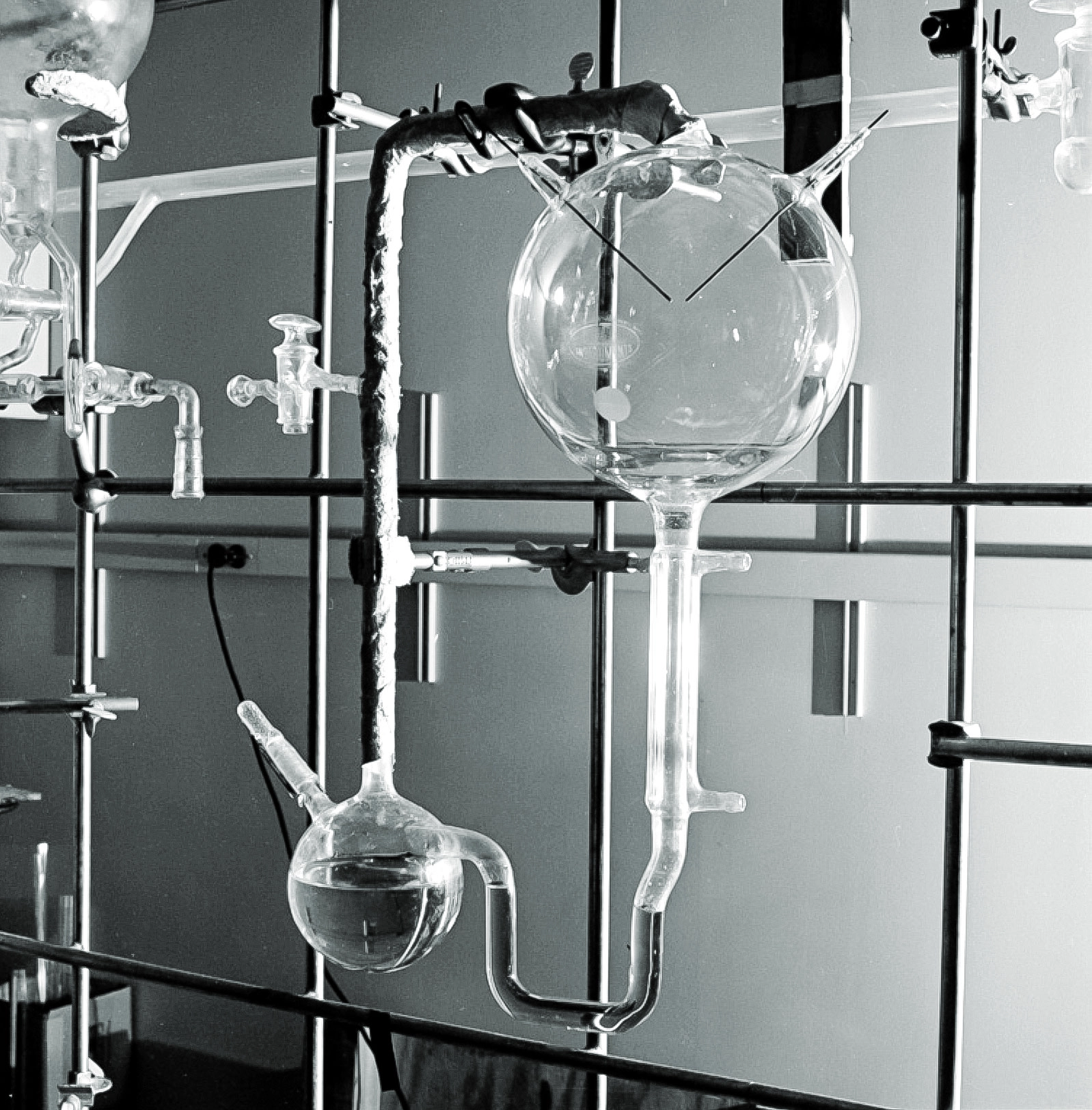
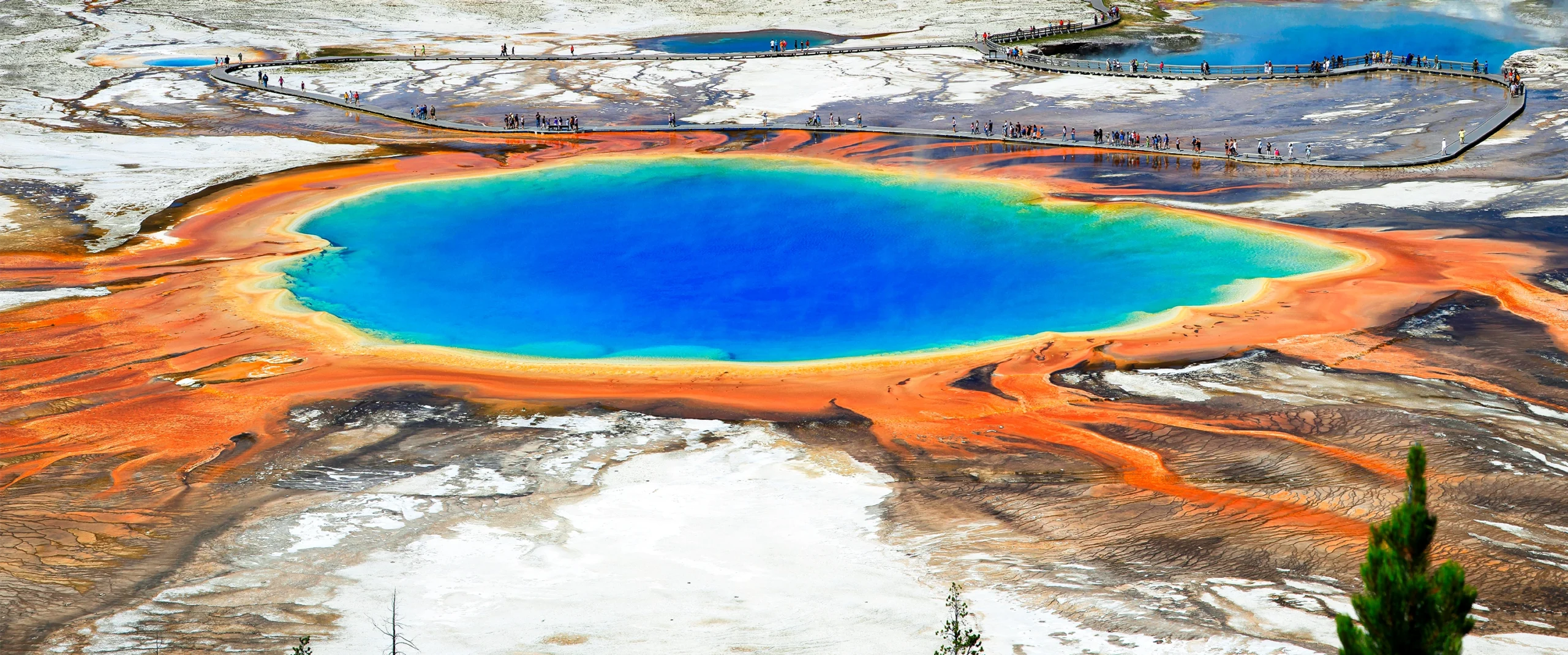
The RNA-world hypothesis remains influential because some RNA molecules can both carry information and catalyze reactions. Other hypotheses emphasize early metabolism, membranes or environments such as hydrothermal vents. None has established how life began, and researchers increasingly test how these possibilities might have worked together.
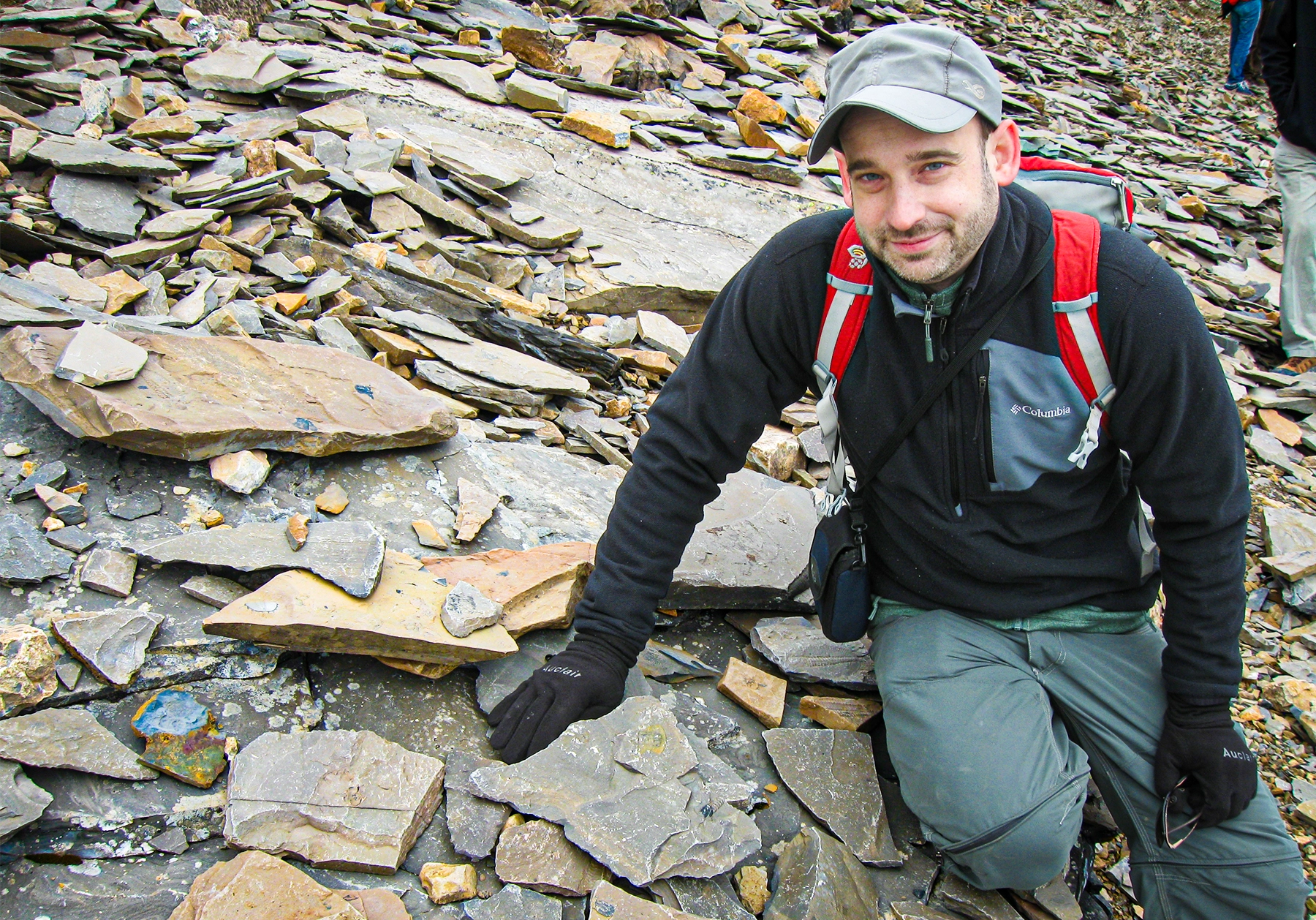
One approach traces living organisms backward. In a 2024 genomic analysis, a team led by Phil Donoghue estimated that the last universal common ancestor, or LUCA, lived about 4.2 billion years ago. Their reconstruction suggests an already complex cell with roughly 2,600 proteins, a membrane and a basic metabolism. These are inferences from genes preserved in living organisms, not direct observations of LUCA. If the reconstruction is right, substantial evolution had already occurred before it lived.

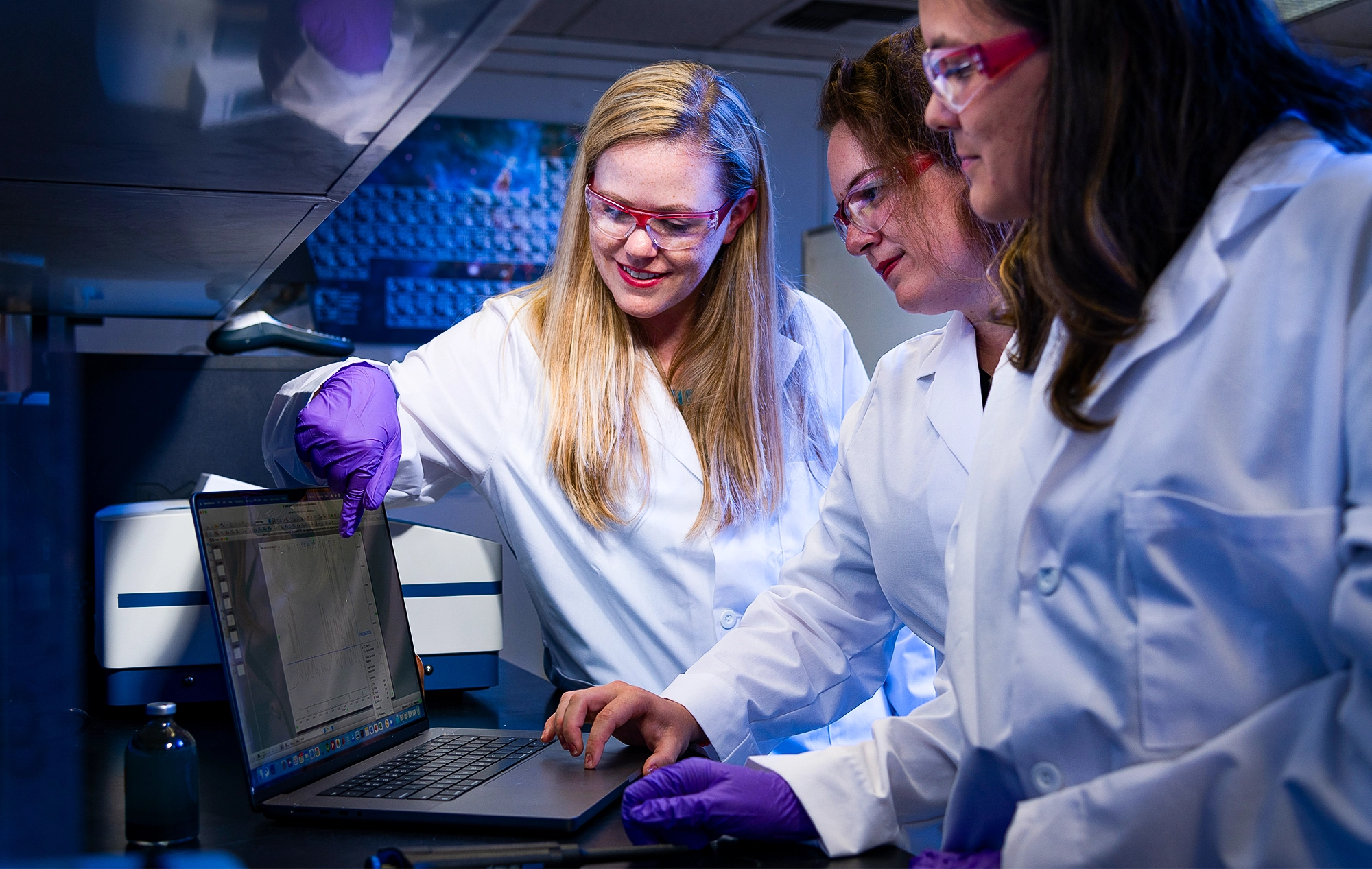
Other researchers are testing what might have been possible earlier. Klára Hlouchová’s team reported that proteins designed with an alphabet of just 10 amino acids could form structures resembling ancient protein folds. Such experiments explore alternatives to modern biology; they do not show which molecules early life actually used.
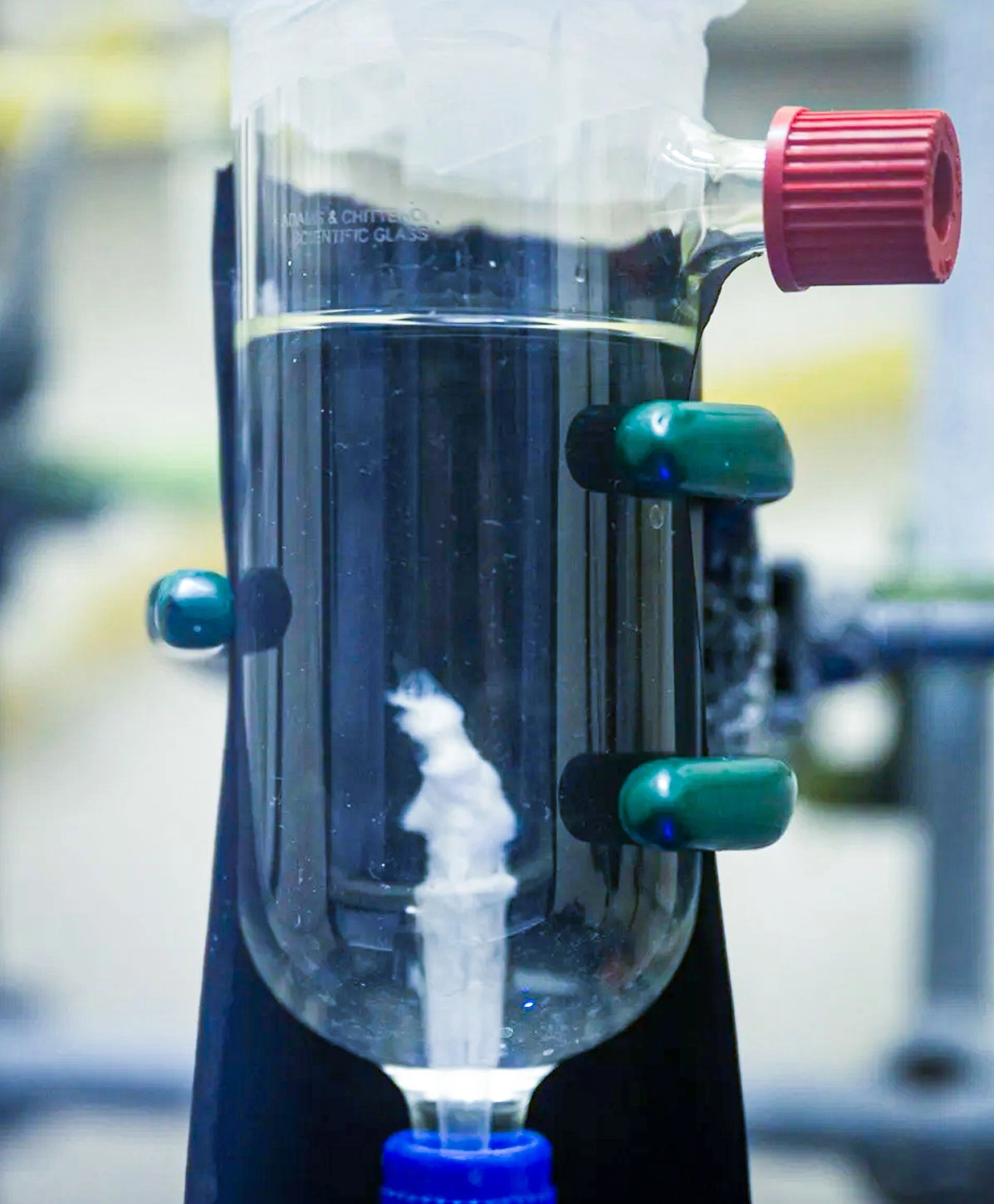

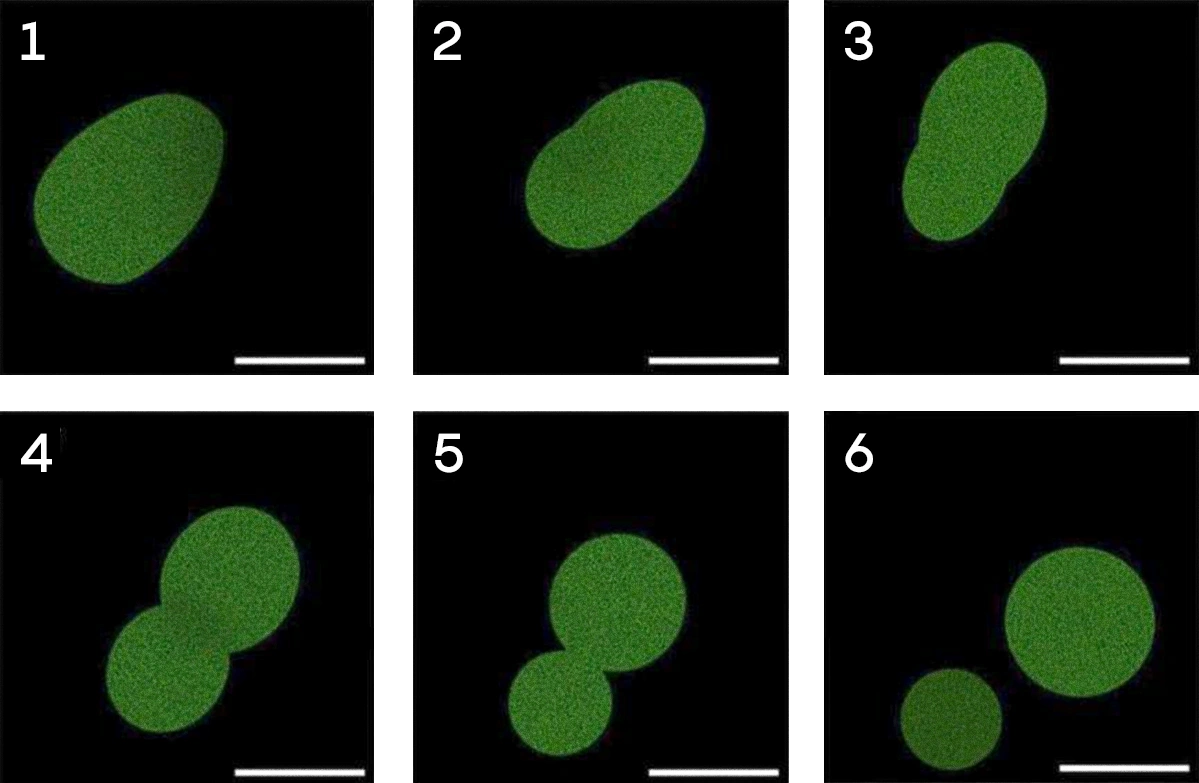
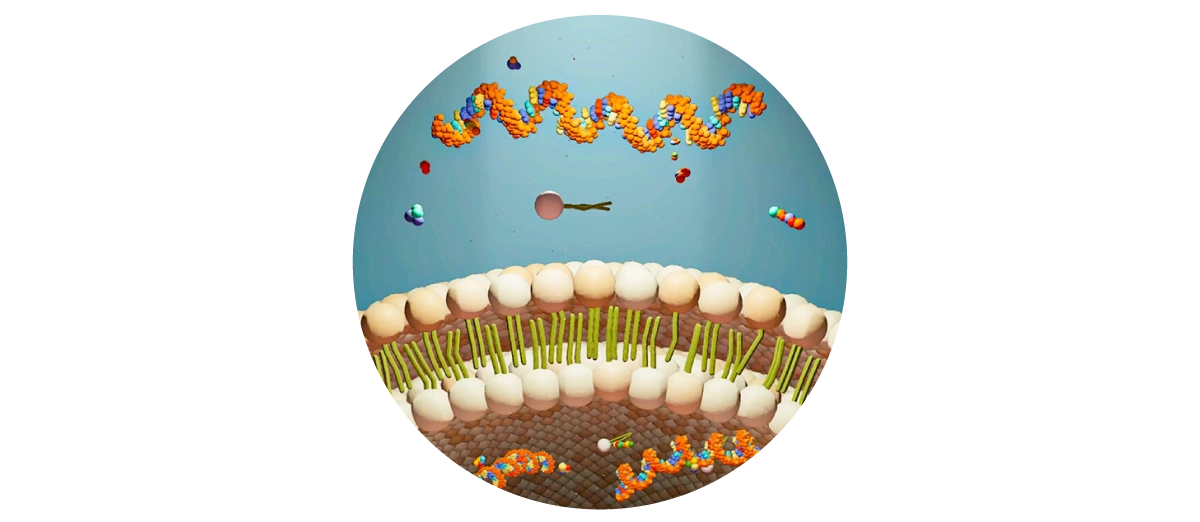
In July 2026, a team led by Kate Adamala posted a preprint describing synthetic cell-like compartments assembled from biological components. The compartments copied DNA, grew and divided under laboratory conditions. They still needed supplies delivered to them and did not evolve independently. Adamala cautioned against calling them alive.
No experiment has convincingly recreated a self-sustaining, self-replicating system capable of independent evolution. Nor can today’s genetic record reveal every step before LUCA. By combining chemical experiments, evolutionary analysis and synthetic biology, researchers are testing the boundary between nonliving chemistry and life—while recognizing that the exact path Earth took remains unknown.