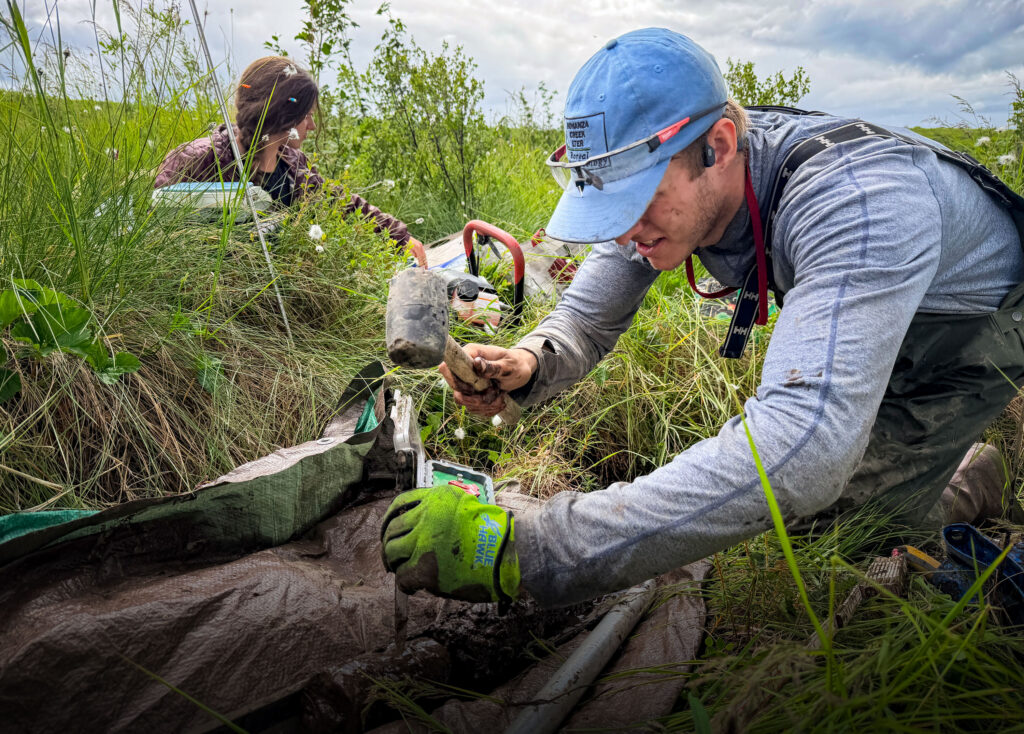
In reporting published October 20, 2026, researchers studying Alaska’s burned forests and tundra described a central uncertainty in climate science: how much carbon will escape as wildfires expose permafrost to thaw, and how much recovering vegetation might absorb.
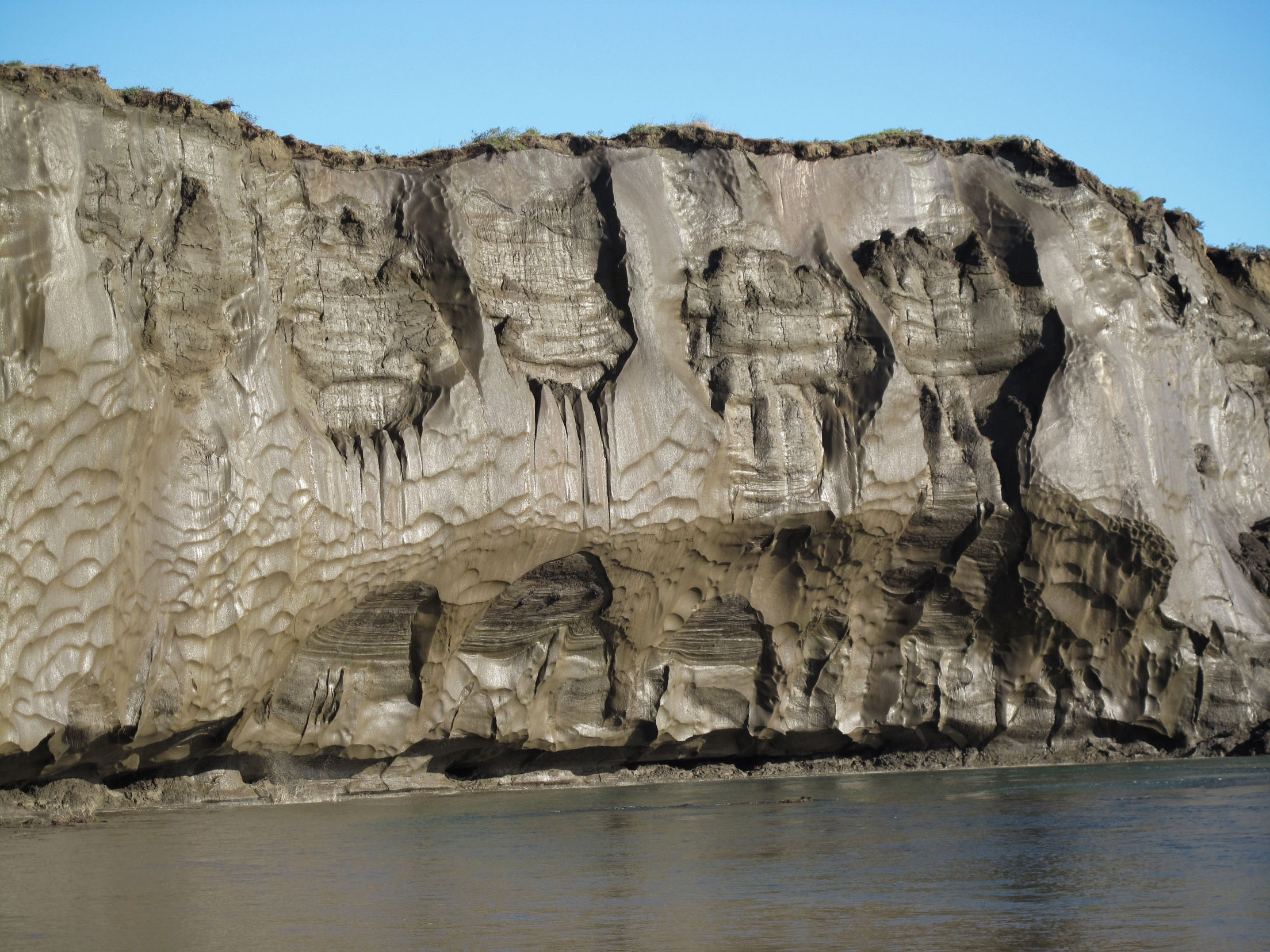
Permafrost underlies about 85% of Alaska and holds carbon that can be released as carbon dioxide or methane when frozen organic matter thaws and decomposes. But the outcome after a fire depends on the ecosystem, the severity of the burn and what grows back.
A rare before-and-after record in Denali
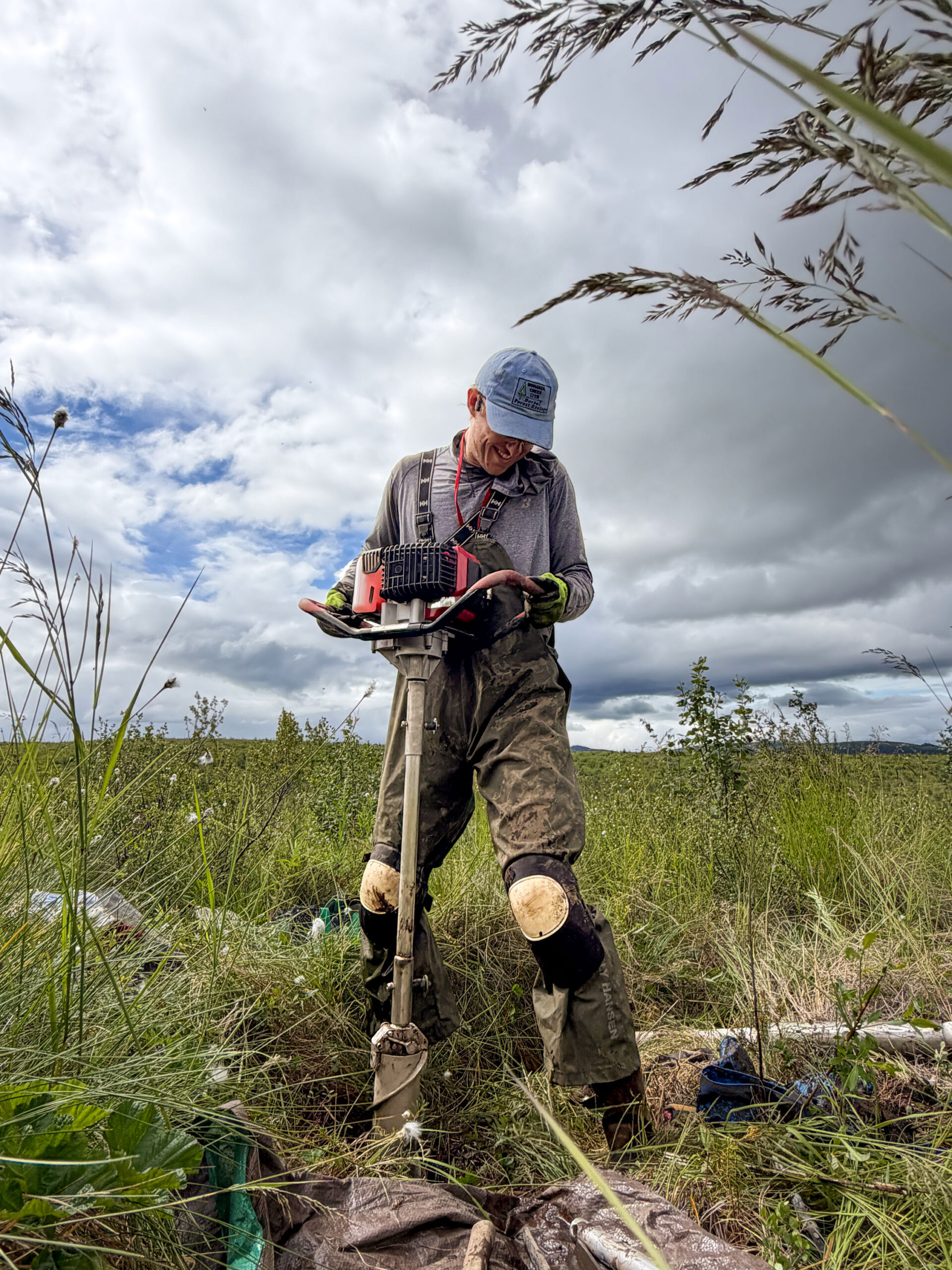
A Northern Arizona University team is studying a tundra area in Denali National Park that burned in 2013. The fire crossed survey grids established by the National Park Service in 2001, giving researchers an unusual record from before the blaze. In a 2016 survey, the team found that the seasonally thawed soil layer was between one foot and nearly two feet deeper in some of the most severely burned areas than in plots outside the burn scar.
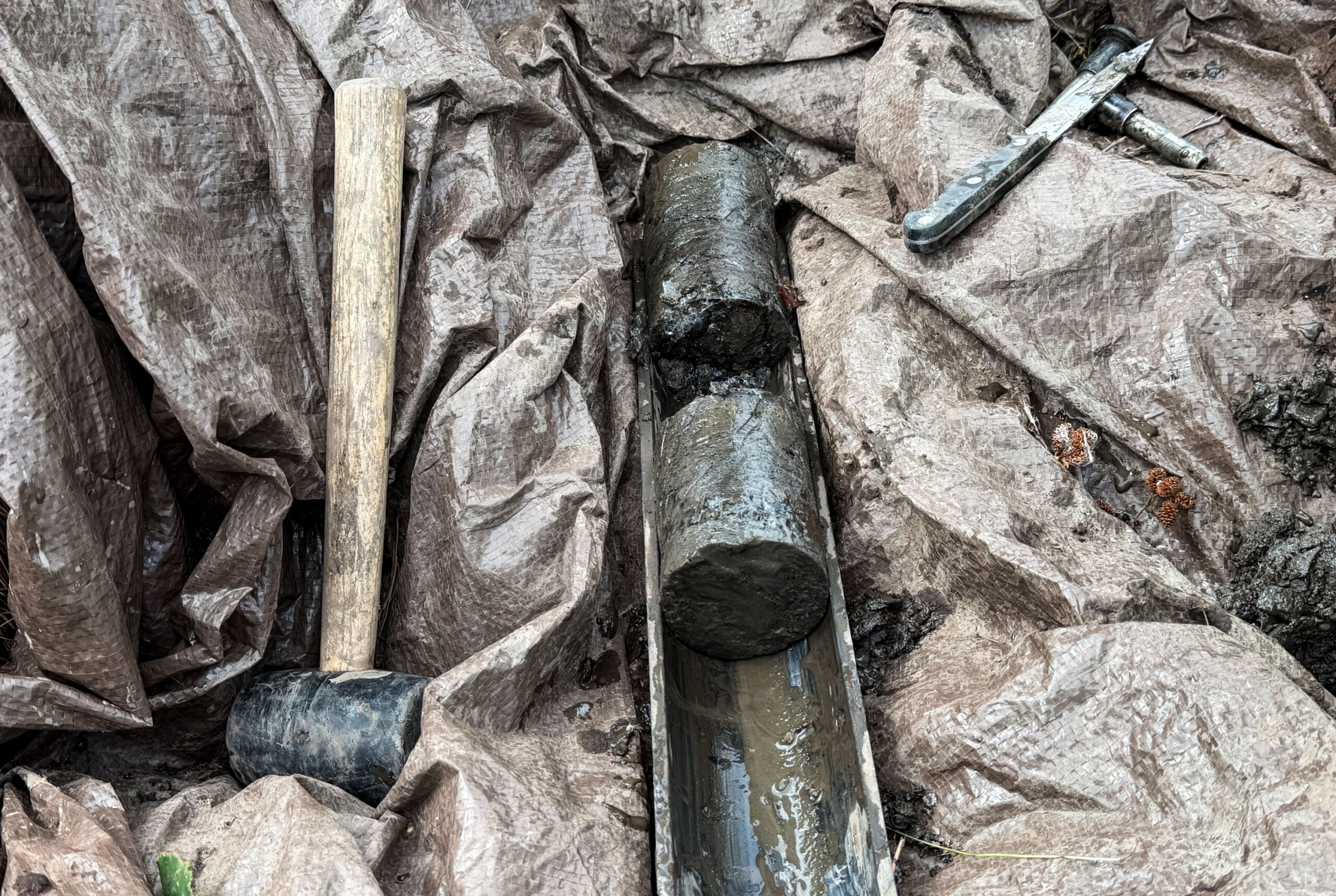
The team has since collected soil and permafrost cores for laboratory analysis. Principal investigator Xanthe Walker said the thawed layer appears to remain deeper at the most severely burned sites roughly 13 years after the fire. The analysis is still underway; the researchers have not yet established how much carbon those sites have lost or recovered.
Why one fire cannot predict another
Other Alaska studies show contrasting outcomes. In black spruce forests surveyed after major 2004 fires, severe burns sometimes favored less flammable deciduous trees. Sites dominated by those trees stored about five times as much soil carbon as sites that returned to black spruce, according to a 2021 Science paper by Michelle Mack, Walker and their coauthors. Walker said subsequent carbon uptake at those sites more than compensated for emissions from the initial fire.
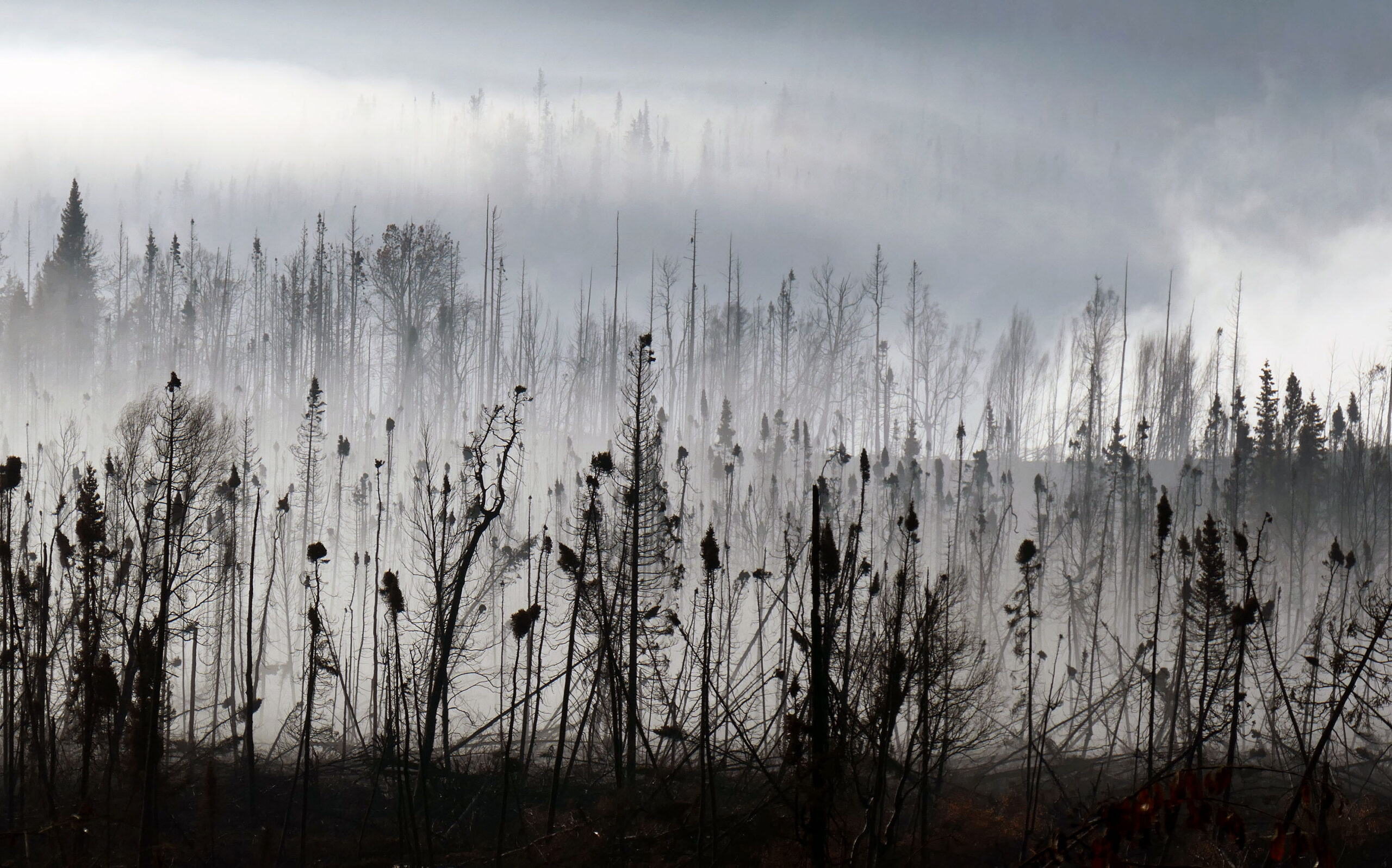
The 2007 Anaktuvuk River tundra fire presented a different picture. Mack, Ted Schuur and their coauthors estimated that the fire released more than 2 million tons of carbon. Later studies found that more than a third of the burned landscape subsided as underlying ice collapsed. Adrian Rocha of the University of Notre Dame said the most severely burned patches continue to release carbon dioxide and methane; recovering the lost carbon could take decades to centuries, if it happens at all.
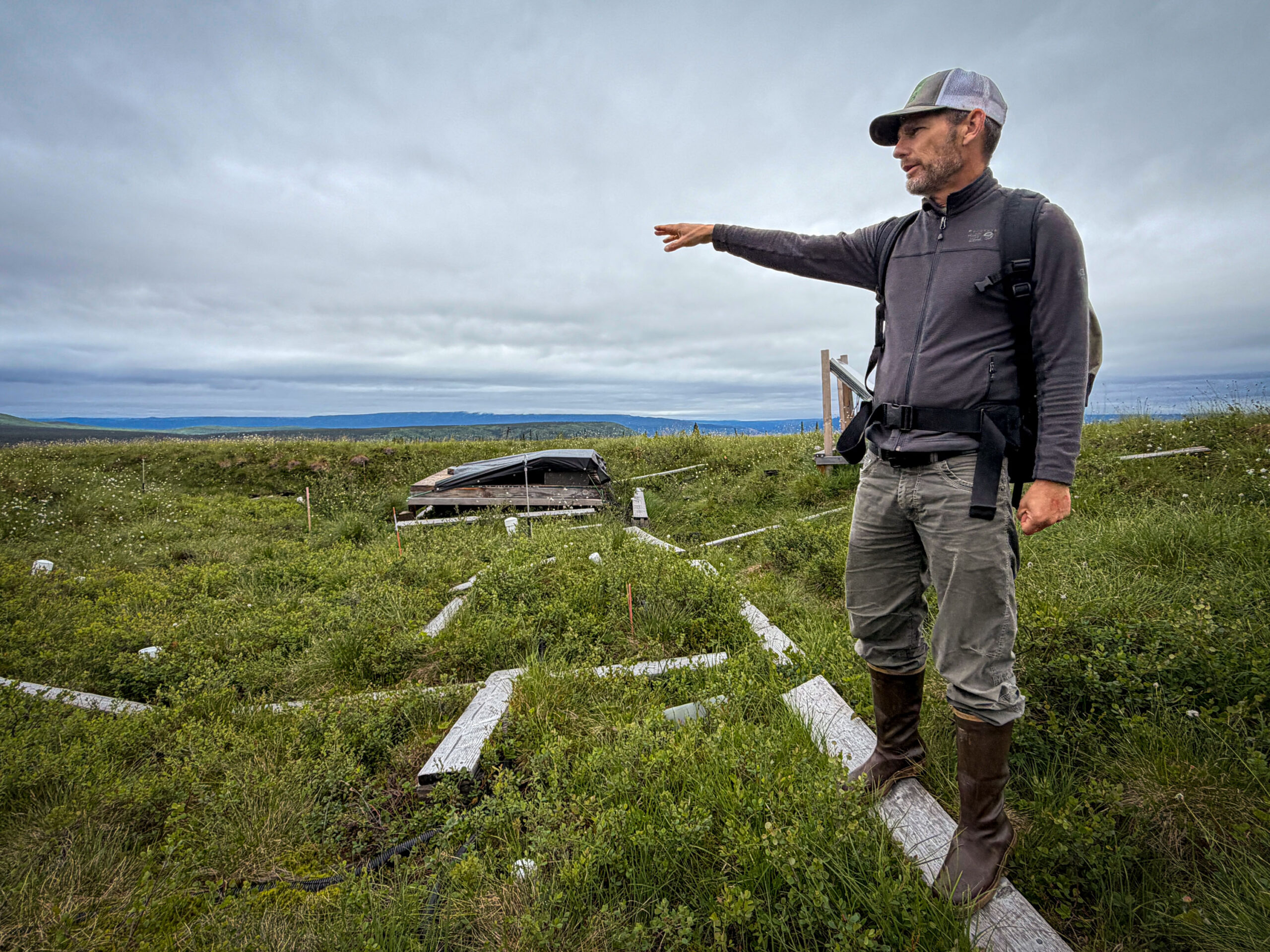
An experiment led by Schuur near Denali offers another measure of the risk. Researchers used snow fences to keep test plots warmer in winter, simulating future warming. Over 13 years, soil carbon in the 10-by-10-meter plots declined by 23%, Schuur and his coauthors found. Some control plots also thawed and subsided without the experimental warming.
These field observations do not yield a single emissions figure for the Arctic-boreal region. Susan Natali of the Woodwell Climate Research Center and colleagues have found that about 40% of that region has already shifted from a carbon sink to a carbon source when emissions from thaw, fires and other processes are included. Natali cautioned that the region contains many different ecosystems, making its overall response difficult to measure.