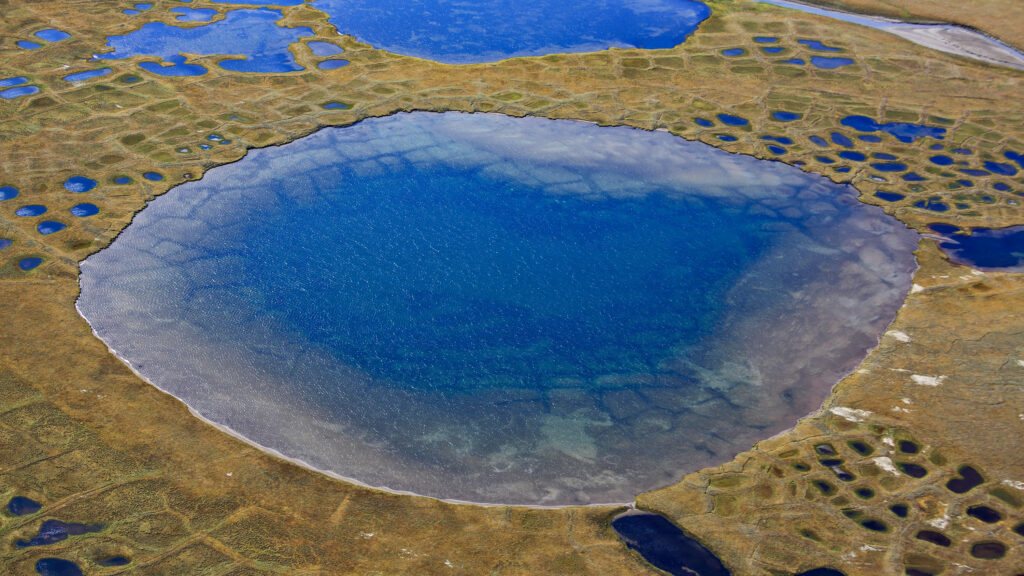
As reported on October 29, 2026, two analyses suggested that greenhouse gases released as the planet warms could make it harder to meet international climate targets. The findings concern climate feedbacks: warming that triggers further emissions and, in turn, more warming.
A study published in Environmental Research Letters in September 2026 synthesized earlier research on thawing permafrost, intensifying wildfires, hotter lakes and reservoirs, and warmer, wetter wetlands. It estimated that the additional carbon dioxide and methane from those sources alone could raise global average temperature by 0.2°C to 0.4°C this century, beyond the 2.6°C of warming above preindustrial levels that modelers cited in the original report expected by 2100.
A separate analysis published in One Earth in March 2026 examined what such emissions could mean for climate goals. It found that three regional sources—thawing permafrost, increasing fires in boreal forests and warming tropical wetlands—may shorten by as much as 25% the time before global temperature consistently exceeds the 1.5°C and 2°C thresholds. That is an estimate of a potential effect, not a measured change in when either threshold will be crossed.
According to the original report, no model informing the major UN climate assessments includes all of these feedbacks, and many include none. More than 20 international teams are now running a common set of analyses across different models through the Warming-Induced Greenhouse Gas Emissions Model Intercomparison Project. Researchers involved hope the findings will inform the next major UN assessment, due in 2029.
Researchers are also investigating ways to limit emissions from vulnerable ecosystems, including fire prevention near carbon-rich permafrost and laboratory tests of compounds that might reduce wetland methane emissions. These approaches remain at an early stage; their potential impact across large ecosystems is not yet established. Cutting fossil-fuel emissions remains the clearest way to limit the warming that drives these feedbacks.