Research discussed in a report published October 7, 2026, raises questions about how courts assess three familiar forms of forensic evidence. Sara Gordon, a University of British Columbia law professor, examined bloodstain pattern analysis, firearm-mark comparisons and drug-sniffing dogs in three recent studies. Her concern is not that every result is wrong, but that courts may assume these techniques are more reliable than the evidence supports.
The debate is distinct from the so-called “CSI effect.” A 2008 survey of more than 2,000 jurors found growing expectations for scientific evidence, but did not link those expectations to television viewing.
Bloodstain patterns. A 2009 National Academy of Sciences report found enormous uncertainties in bloodstain pattern analysis and described expert opinions as tending to be more subjective than scientific. In one study cited in the report on Gordon’s work, experts assessing 400 drops were correct less than 70% of the time on rigid surfaces and 62% of the time on absorbent fabrics. Gordon said conclusions police officers have presented in court are not always supported by rigorous studies.
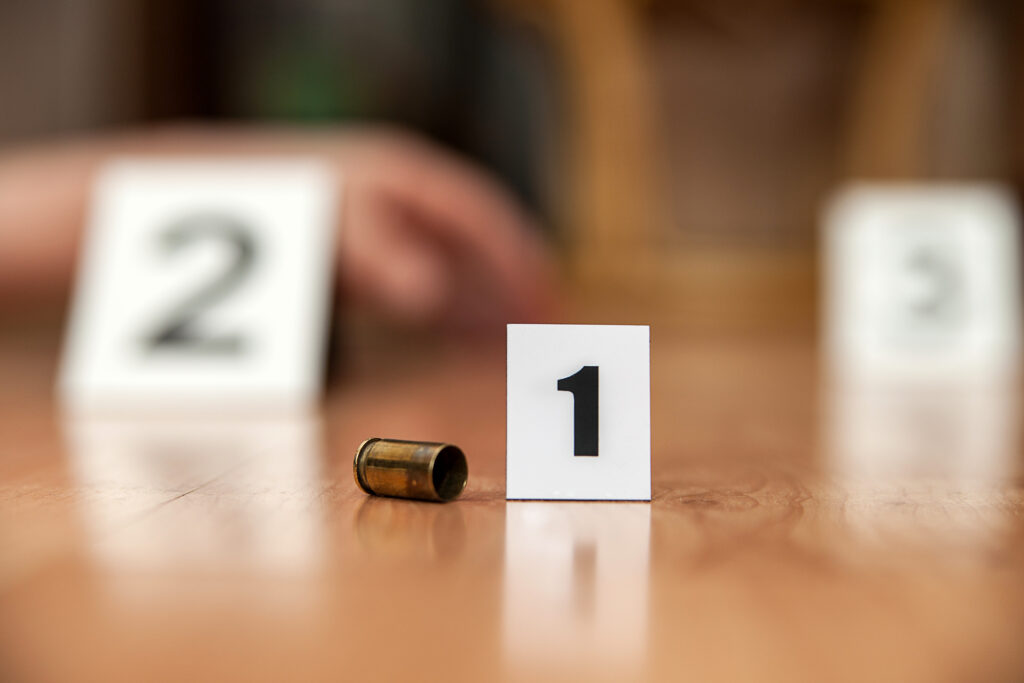
Firearm comparisons. Gordon also pointed to a 2023 report from a company that provides firearms proficiency tests. In responses from 280 experts, it found misidentifications around 37% of the time when bullets were damaged or poorly marked. That figure describes those testing conditions, not every firearm comparison.
Drug-sniffing dogs. An Australian study found no drugs after nearly 75% of positive indications by dogs. Gordon said poor training, residual odors or subtle cues from handlers could contribute to unreliable indications; the study’s finding alone does not establish why each search found nothing.
Gordon called for clearer training, certification and performance standards, alongside closer judicial scrutiny of what forensic testimony can establish. As she put it, long use in court should not, by itself, be taken as proof of reliability.