A three-dimensional map of the space between nearby stars challenges the long-standing picture of interstellar gas as mostly settled into cold or warm states. In an analysis reported on October 30, 2026, researchers estimated that 41% of the interstellar medium in our galactic neighborhood lies between those states. The finding is preliminary: the team’s paper, posted in July 2026, was undergoing peer review at the time of reporting.
For decades, a leading model has described most atomic gas between stars as either cold, at around 100 kelvins, or warm, at around 8,000 kelvins. Gas at intermediate temperatures was expected to transition quickly toward one state or the other.
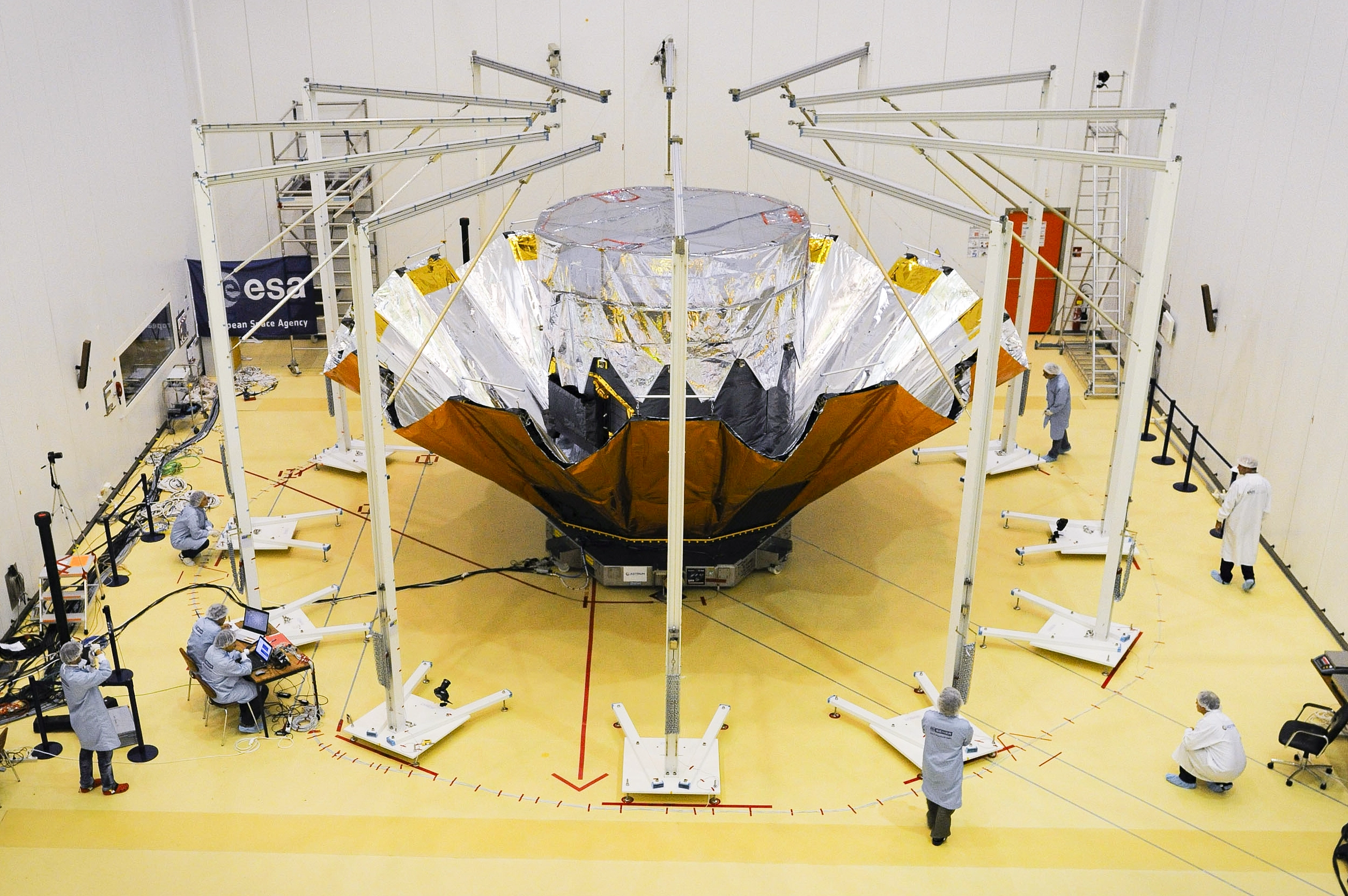
Jonathan Shelest, an undergraduate at the Technion in Haifa, Israel, worked with professor Shmuel Bialy and colleagues to test that picture. They combined a three-dimensional map of interstellar dust density with a map of the ultraviolet radiation that heats the gas. The dust map drew on measurements from the Gaia space telescope and covered a region more than 4,000 light-years wide around the sun. By comparing dust density and radiation intensity across a 3D grid, the team inferred where the interstellar medium was relatively hot or cool.
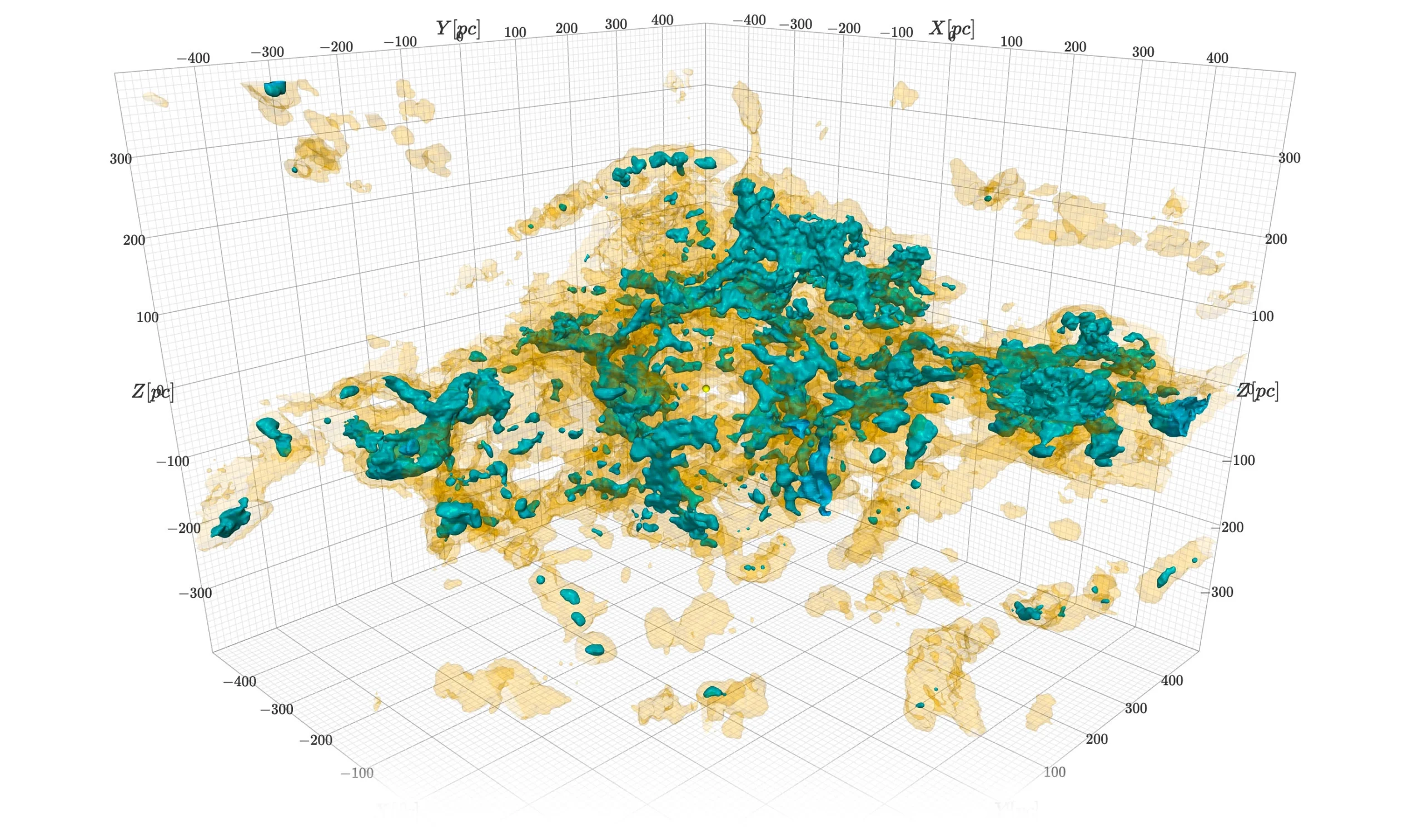
Their analysis classified 27% of the mapped medium as cold, 32% as warm and 41% as intermediate and unstable. The intermediate regions appeared as coherent structures around cold clouds, rather than random noise in the map.
The estimate has important limits. Astronomer Chris McKee cautioned that the map might not resolve cold and warm regions that lie close together. Astrophysicist Philipp Frank said the team’s averaging method could smooth sharp boundaries, making the intermediate fraction look larger. Shelest and Bialy acknowledged both concerns but argued that blurring alone could not explain most of their result; they said repeating the analysis with a different, lower-resolution dust map changed the unstable fraction by only about 5%.

If the finding holds, it could help explain why galaxies turn gas and dust into stars less efficiently than some simulations predict. A medium continually heated and stirred by stellar activity may resist settling into the cold clouds where stars form. For now, the map offers evidence of that possibility, not a settled explanation of star formation.