
Some Selaginella plants can dry into tightly curled forms and resume growth when water returns. That does not mean a dead plant comes back to life: its cells must survive the dry period. This account of the plants’ adaptations was published on November 19, 2026.
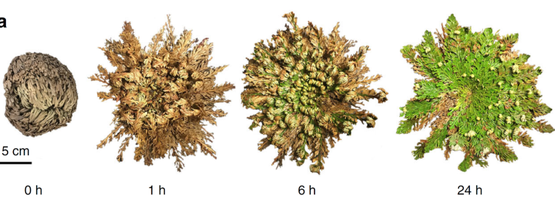
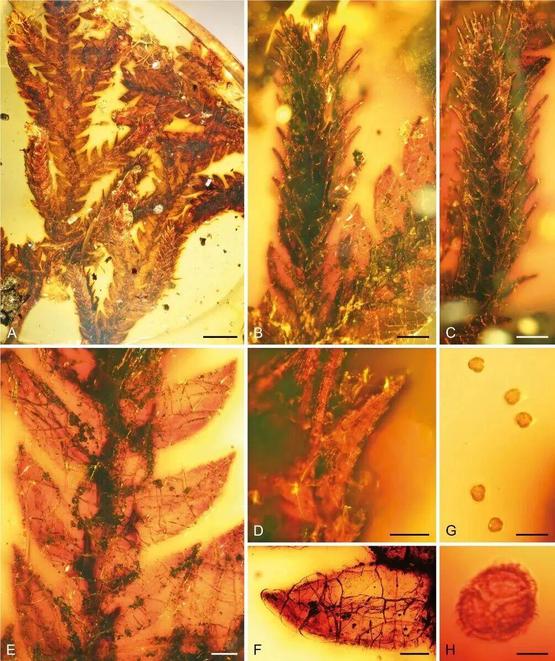
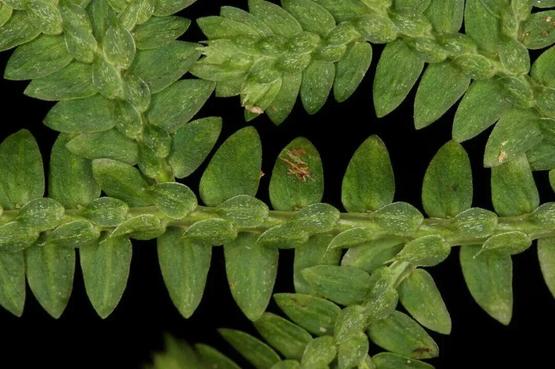
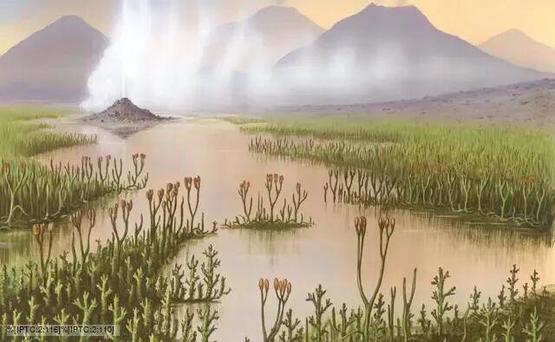
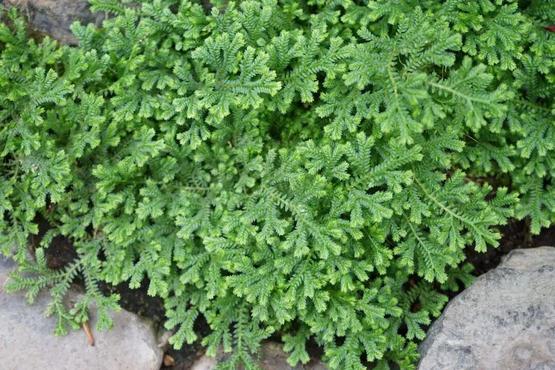
Selaginella is a genus of roughly 750 species in an ancient group of vascular plants called lycophytes. Most species favor moist habitats, but some—including S. tamariscina in East Asia and S. lepidophylla in North America—tolerate severe drying. The ability should not be assumed for every member of the genus.
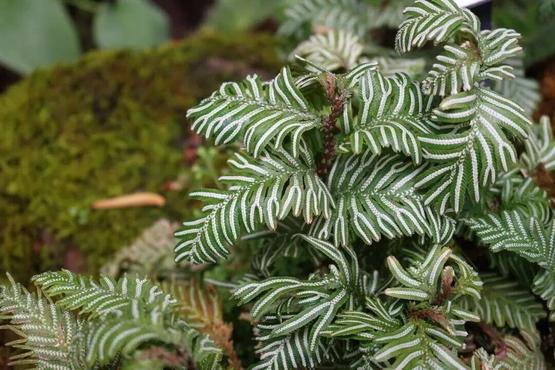
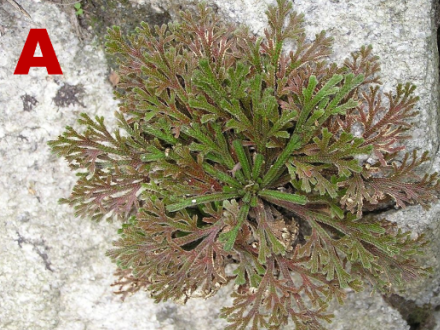
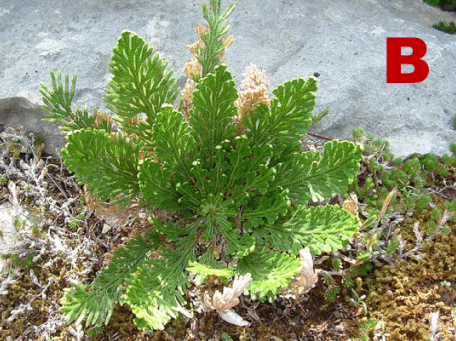
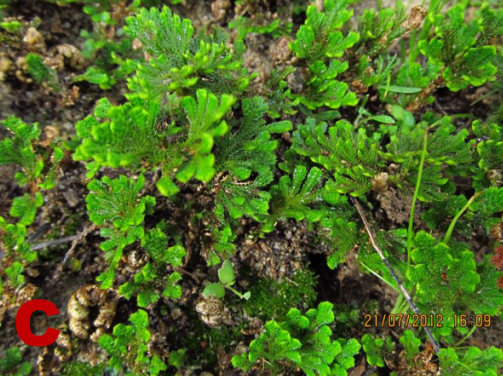
Curling provides one form of protection. As the plant dries, its branches fold around the younger central tissues and branch tips. A 2015 study of S. lepidophylla examined how differences in stem tissue contribute to this moisture-responsive movement: tissues on opposite sides of a branch shrink by different amounts, causing it to bend.
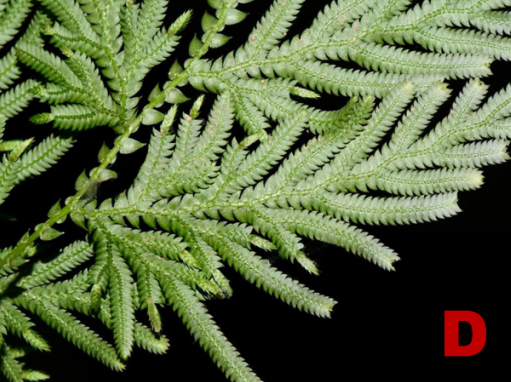
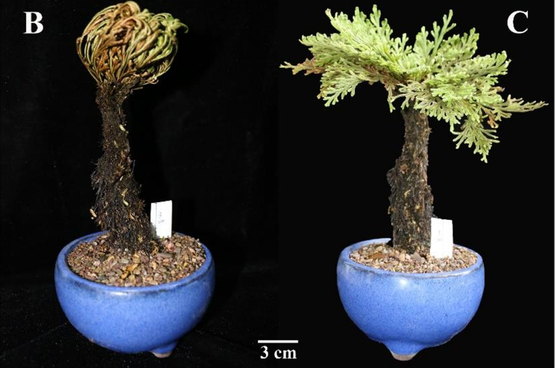
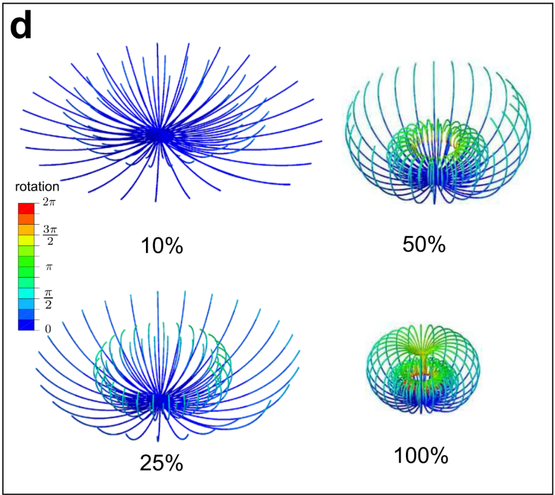
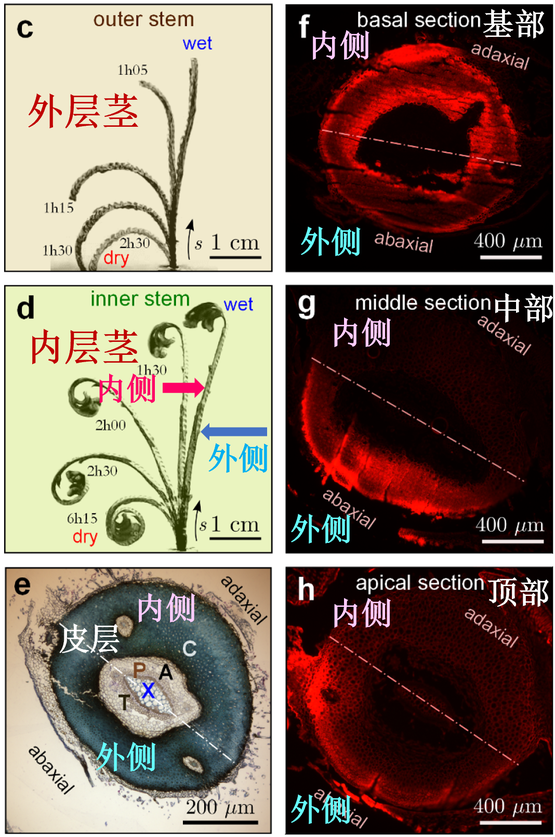
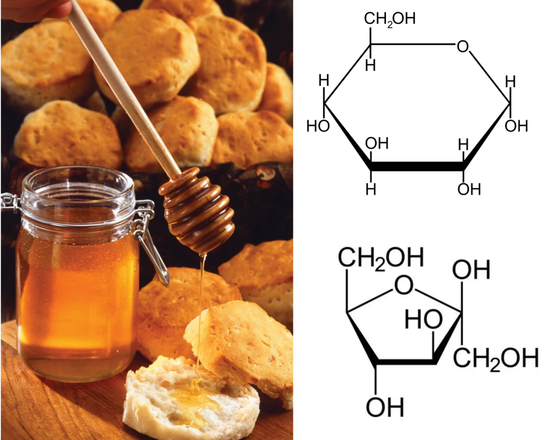
Surviving dehydration also depends on what happens inside the cells. The article describes soluble sugars and sugar alcohols that help protect cellular structures during drying and rehydration, alongside other protective compounds. Comparative metabolic research has examined differences between desiccation-tolerant and desiccation-sensitive Selaginella species. Genome research on S. tamariscina has investigated features relevant to its tolerance. These studies help explain the trait; they do not show that all Selaginella species can recover from drying.
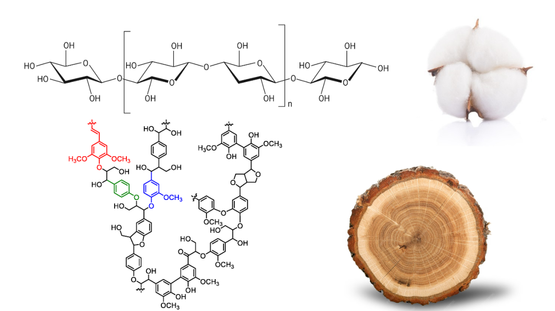
The source also recounts a report of a dried specimen reviving after 11 years in storage, without establishing that as a typical survival time. Even for tolerant species, recovery depends on the plant having remained viable. The article advises against buying wild-collected Selaginella, noting that some species are rare.