
As reported on November 17, 2026, a case published in Perioperative Medicine illustrates why a medication used for weight loss belongs on the list patients give their care team before anesthesia. A 61-year-old woman had fasted before a planned coronary angiography but regurgitated stomach contents after anesthesia began. Some entered her lungs, and the procedure was canceled. She later told doctors she had been taking semaglutide for weight loss; her last injection was six days before the procedure. She improved and was discharged three days later.

GLP-1–based drugs can slow stomach emptying, so fasting does not always mean the stomach is empty. A 2024 JAMA Surgery study found residual stomach contents on preoperative ultrasound in 56% of patients using GLP-1 receptor agonists, compared with 19% of those not using them. That finding does not establish how often aspiration occurs. A single case cannot prove the drug caused it, and the source notes that large studies have not found a clear increase in aspiration risk.
Tell your clinician about these medications in five situations:


- Before anesthesia or sedation, including procedures described as “painless.” Give the drug name and dose, when you started it, when you last took it, and any digestive symptoms. Your team can decide whether fasting instructions, testing, anesthesia plans or medication schedules need to change.
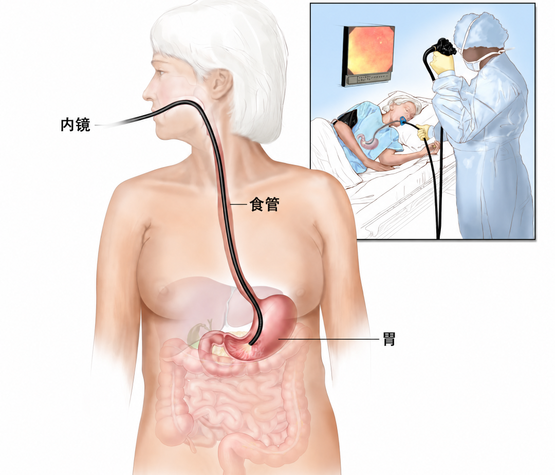
- When arranging gastrointestinal endoscopy or treatment. Remaining contents in the digestive tract may obstruct the view or require a repeat procedure; the clinician may adjust preparation instructions.
- When seeking care for possible side effects. Nausea, bloating, abdominal pain and vomiting can occur, particularly during dose increases. Seek prompt care for persistent severe vomiting, severe or unrelenting abdominal pain, marked bloating with no passage of stool or gas, dizziness or reduced urination after vomiting or diarrhea, or changes in vision.
- When another clinician prescribes a medicine. Slower stomach emptying can affect how some oral drugs are absorbed. The source highlights medicines requiring close monitoring, such as warfarin, and possible effects on oral hormonal contraception.
- When planning pregnancy, discovering a pregnancy or considering breastfeeding. Evidence on safety in pregnancy and breastfeeding remains limited. Some product labels advise stopping at least two months before a planned pregnancy; advice depends on the medication and individual circumstances.

Do not stop treatment or skip a needed procedure on your own. Tell your care team about everything you take so they can make an individual plan.