Originally reported on November 14, 2026. The spacecraft catch described below was still planned at the time of reporting; this account does not establish its outcome.
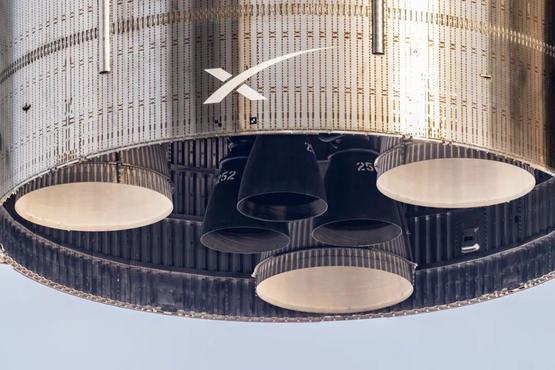
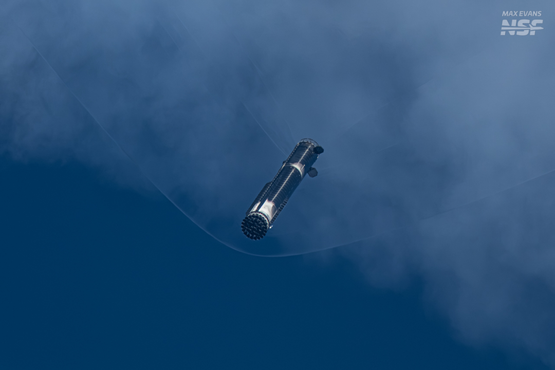
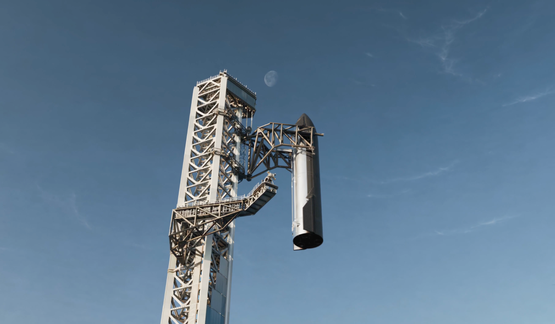
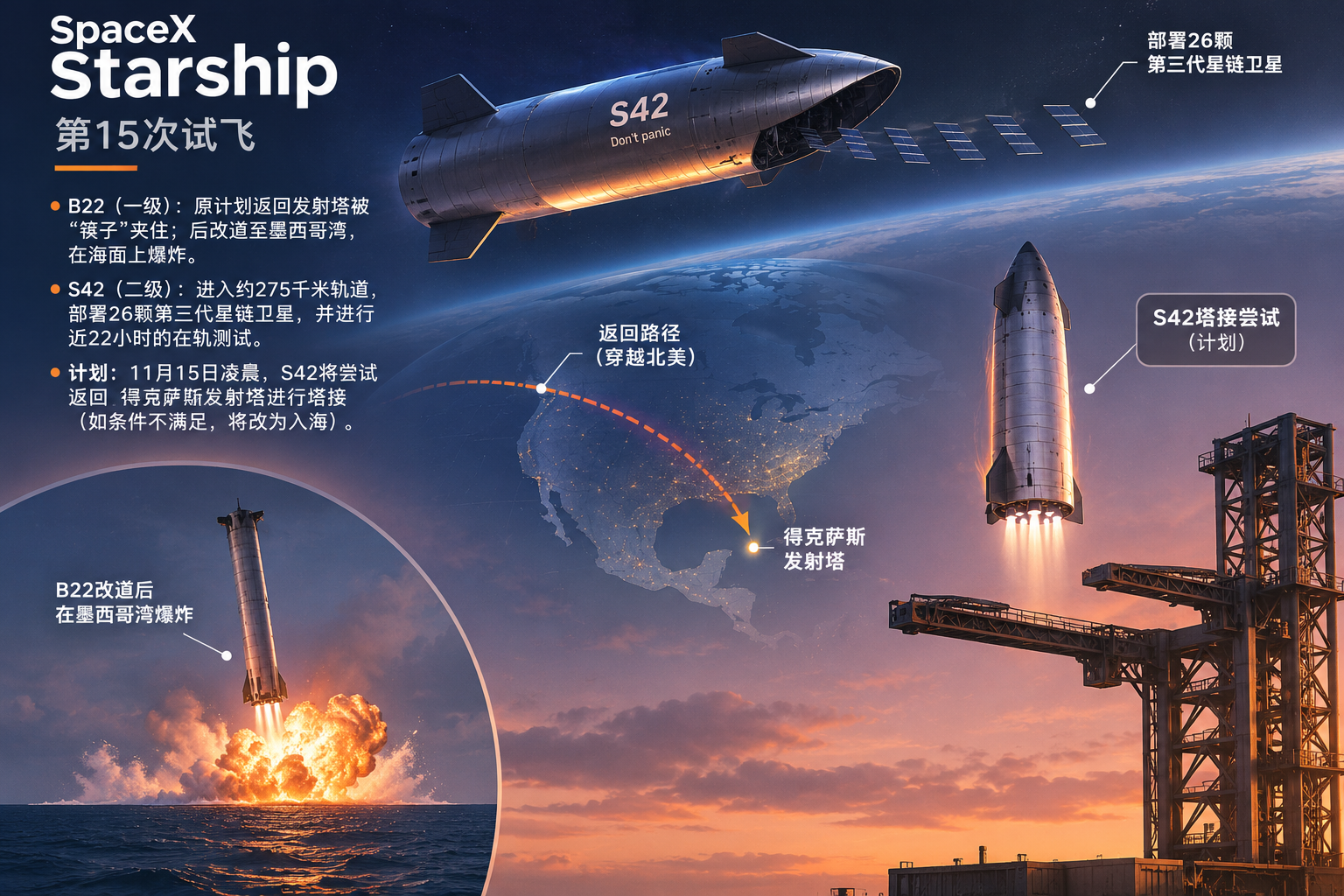
SpaceX launched its 15th Starship test flight from Texas at about 6:47 a.m. Beijing time on November 14. Its B22 booster was expected to return to the launch tower for a catch by the tower’s mechanical arms, but was diverted to the Gulf of Mexico. It slowed and hovered above the water before its engines shut down and it exploded as it reached the sea. SpaceX was still investigating why the tower catch was called off, according to the original report.
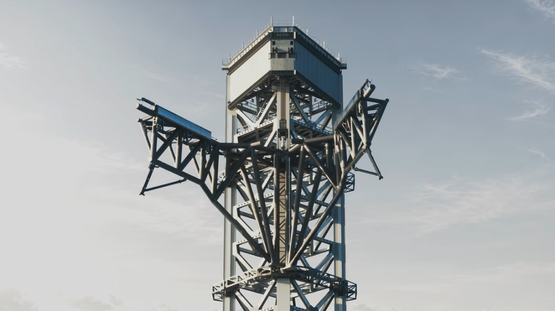
This was the first planned tower-catch attempt for a third-generation Starship booster. The report said one of B22’s 33 engines did not ignite during its return burn, but that this did not prevent the subsequent return sequence. Three boosters from an earlier Starship generation had previously been caught by the tower.
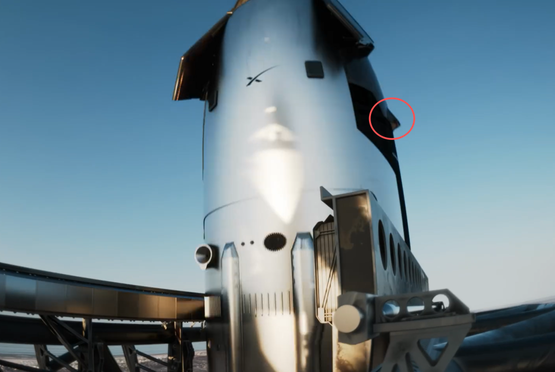
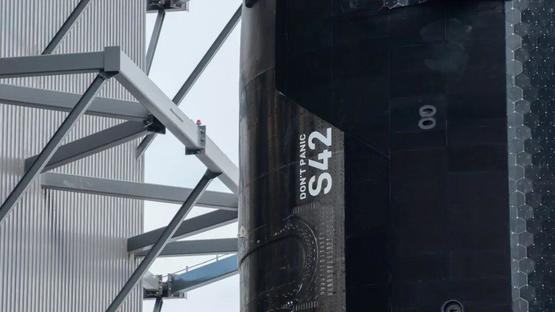
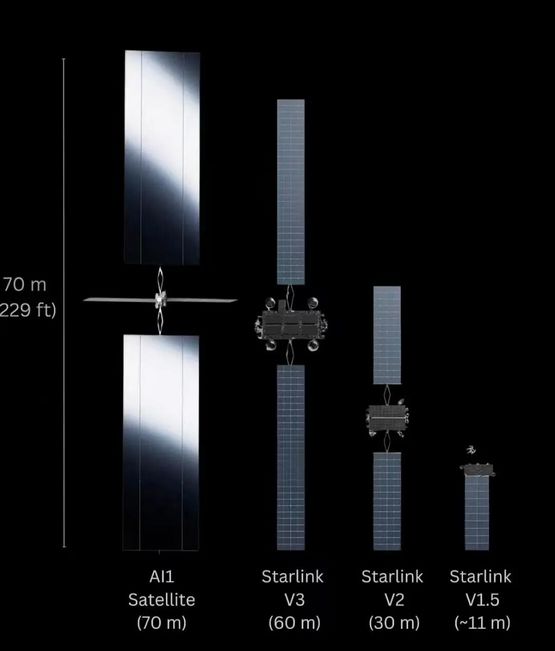
The upper stage, S42, reached an orbit about 275 kilometres above Earth. It deployed 26 third-generation Starlink satellites, beginning roughly 35 minutes after liftoff and completing the deployment more than 40 minutes later. At the time of reporting, S42 remained in orbit for a planned flight of nearly 22 hours—longer than any previous Starship orbital flight. That duration was intended to test systems including power, attitude control and propellant storage.
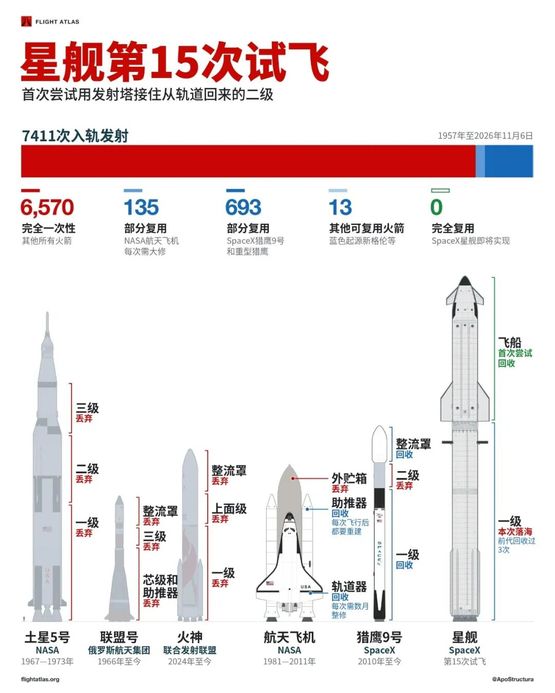
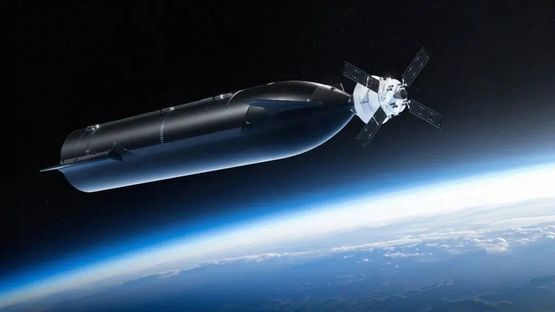
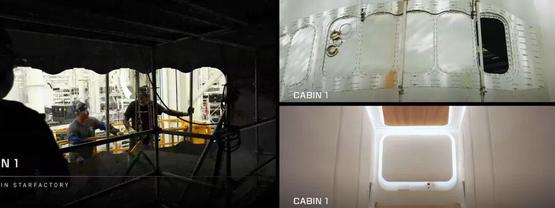
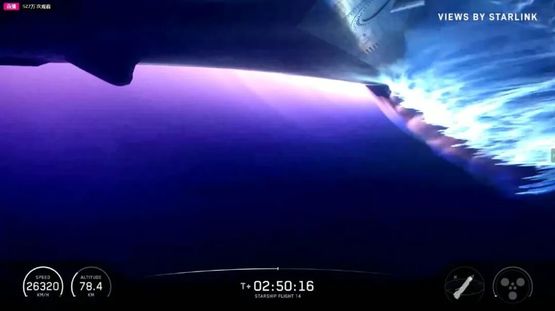
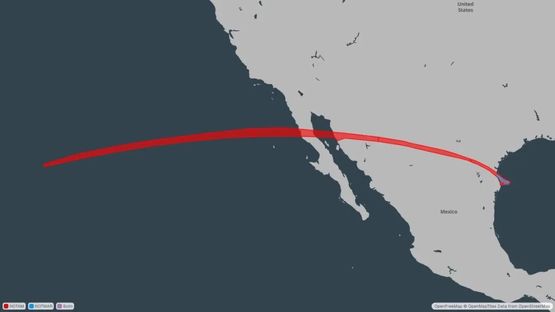
SpaceX planned to begin S42’s deorbit burn at about 4:23 a.m. Beijing time on November 15, then attempt to catch it at the Texas launch tower less than an hour later. If attempted and successful, it would be Starship’s first tower catch of an upper stage returning from orbit. The planned route crossed North America; the report said SpaceX had contingency options, including abandoning the catch and directing the spacecraft into the Gulf if the spacecraft or tower was not ready.
The flight therefore could no longer achieve a catch of both stages on the same mission. Even a successful S42 catch would not, by itself, demonstrate that both stages could be refurbished and flown again. Long-duration orbital operation and in-orbit propellant transfer also remained to be fully demonstrated.

Source: guokr.com (originally published 2026-11-14 12:15 UTC+8)