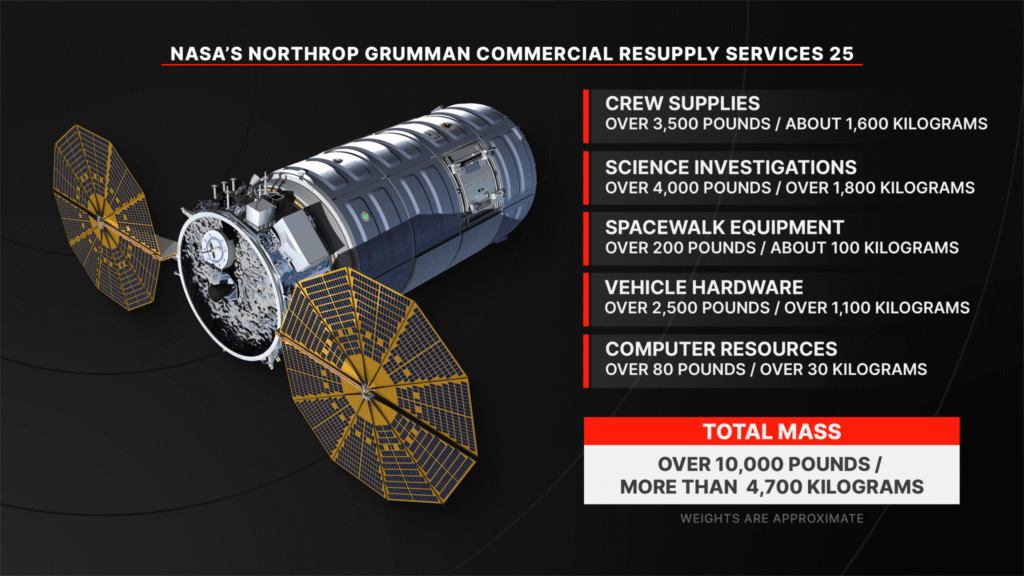
Northrop Grumman’s CRS-25 mission for NASA is set to deliver about 11,000 pounds of research cargo, food and equipment to the International Space Station. It will be the third flight of Cygnus XL, the larger version of the company’s solar-powered cargo spacecraft.
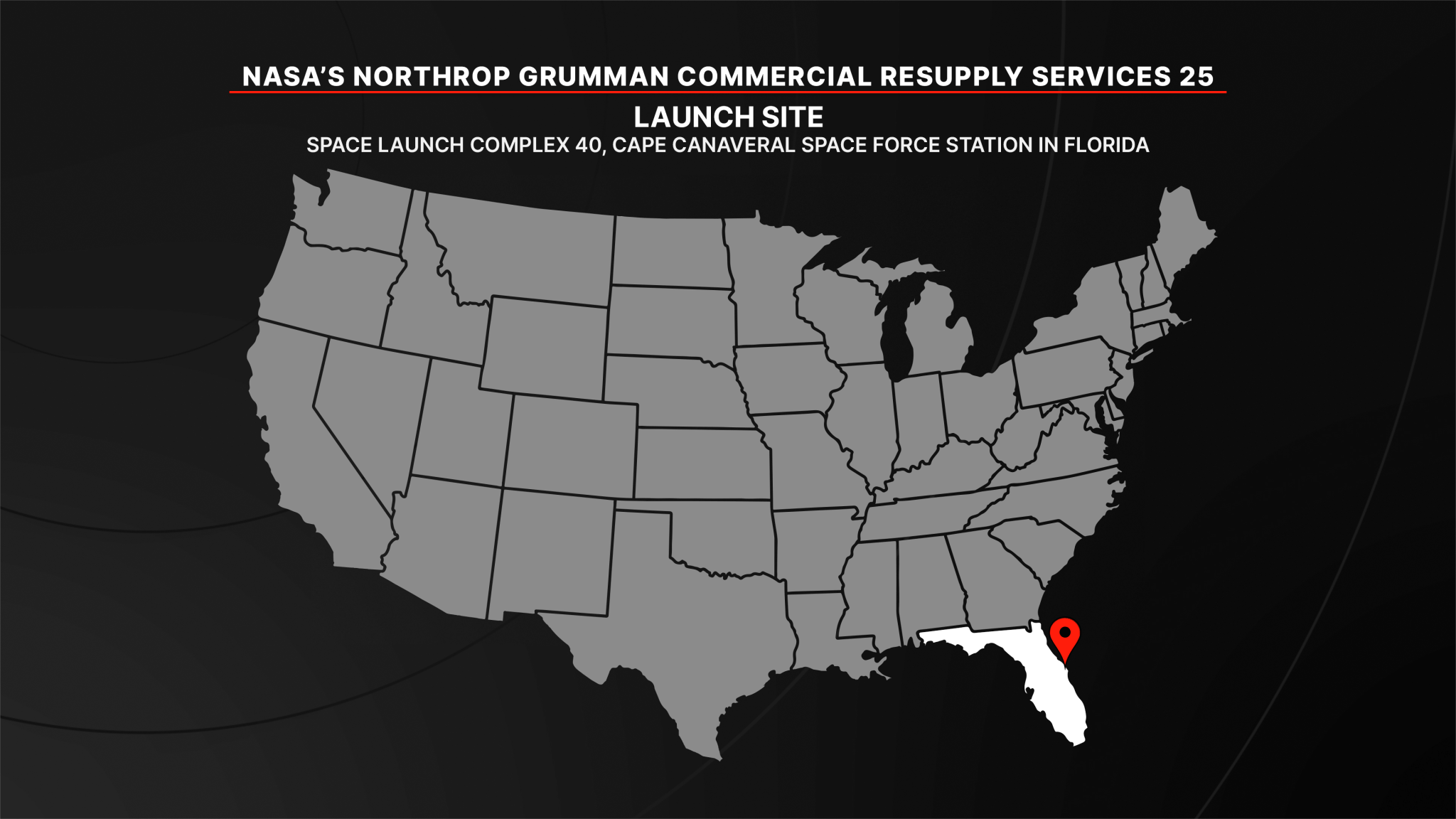
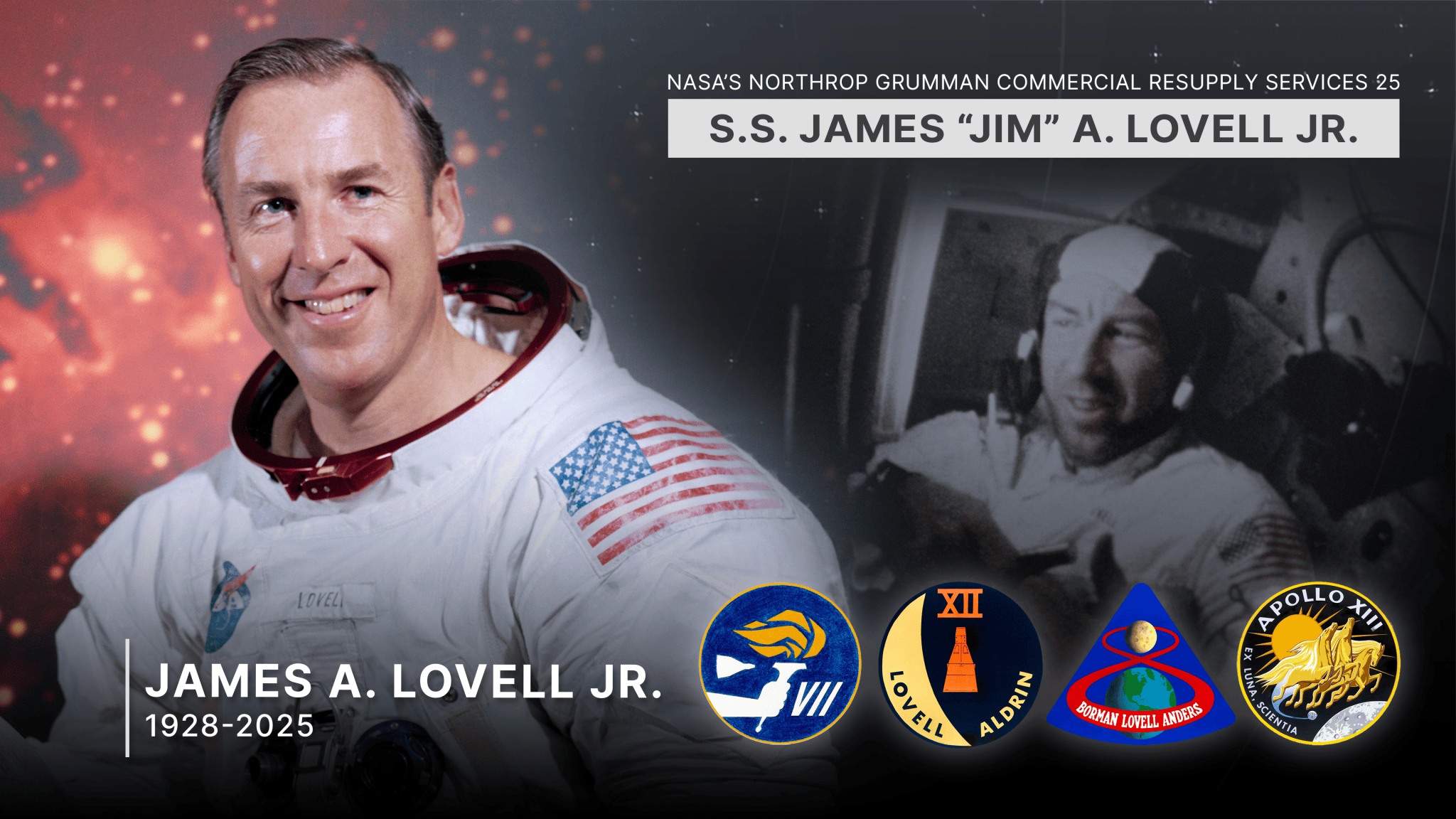
A SpaceX Falcon 9 will launch Cygnus from Space Launch Complex 40 at Cape Canaveral Space Force Station in Florida. The spacecraft is named for NASA astronaut James “Jim” A. Lovell Jr., who flew on Gemini VII, Gemini XII, Apollo 8 and Apollo 13.
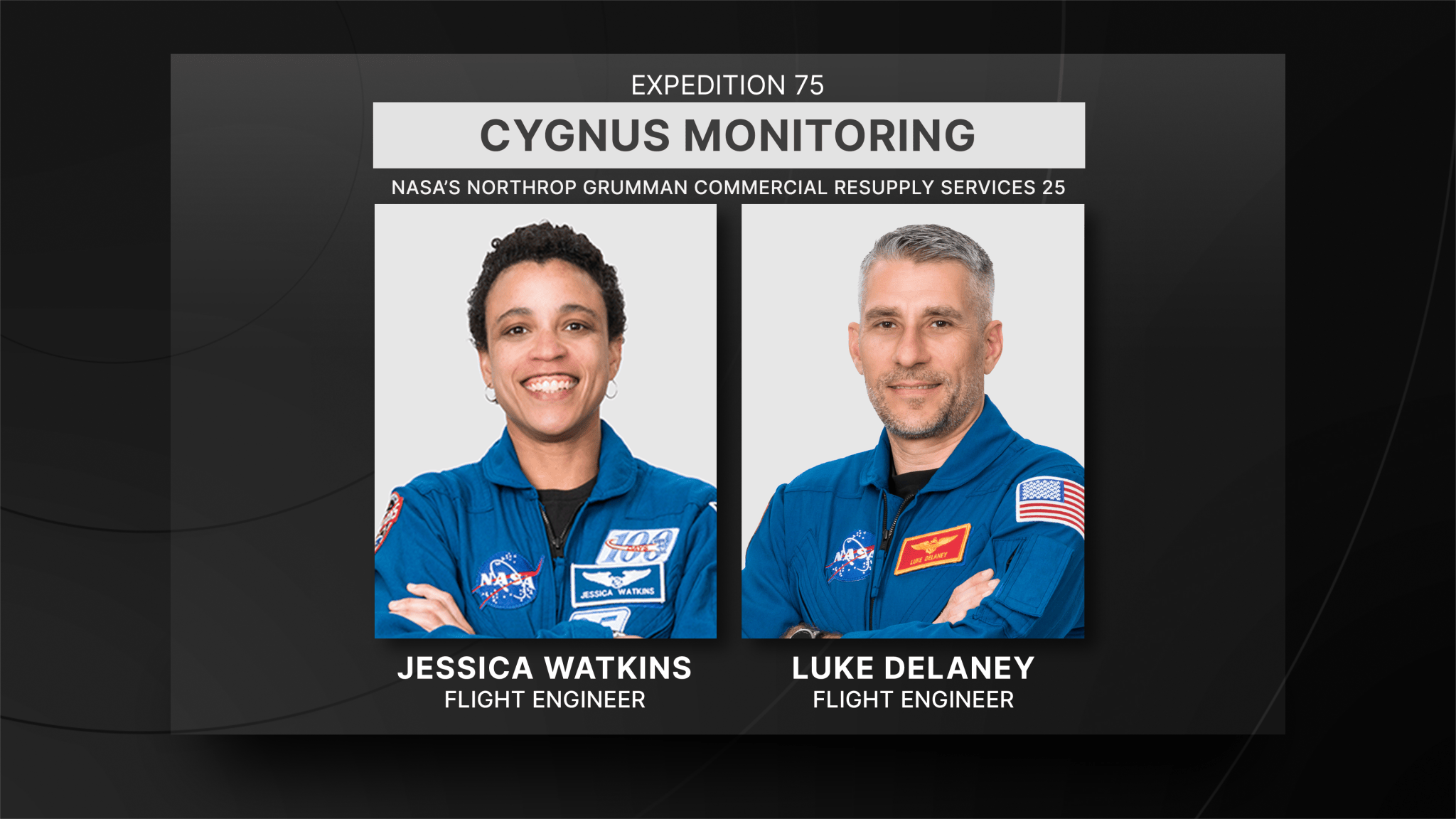
At the station, NASA astronaut Jessica Watkins will operate the Canadarm2 robotic arm to capture Cygnus while astronaut Luke Delaney monitors its approach. Ground controllers will then use the arm to attach the spacecraft to the Earth-facing port of the Unity module for unloading.
Experiments aboard Cygnus
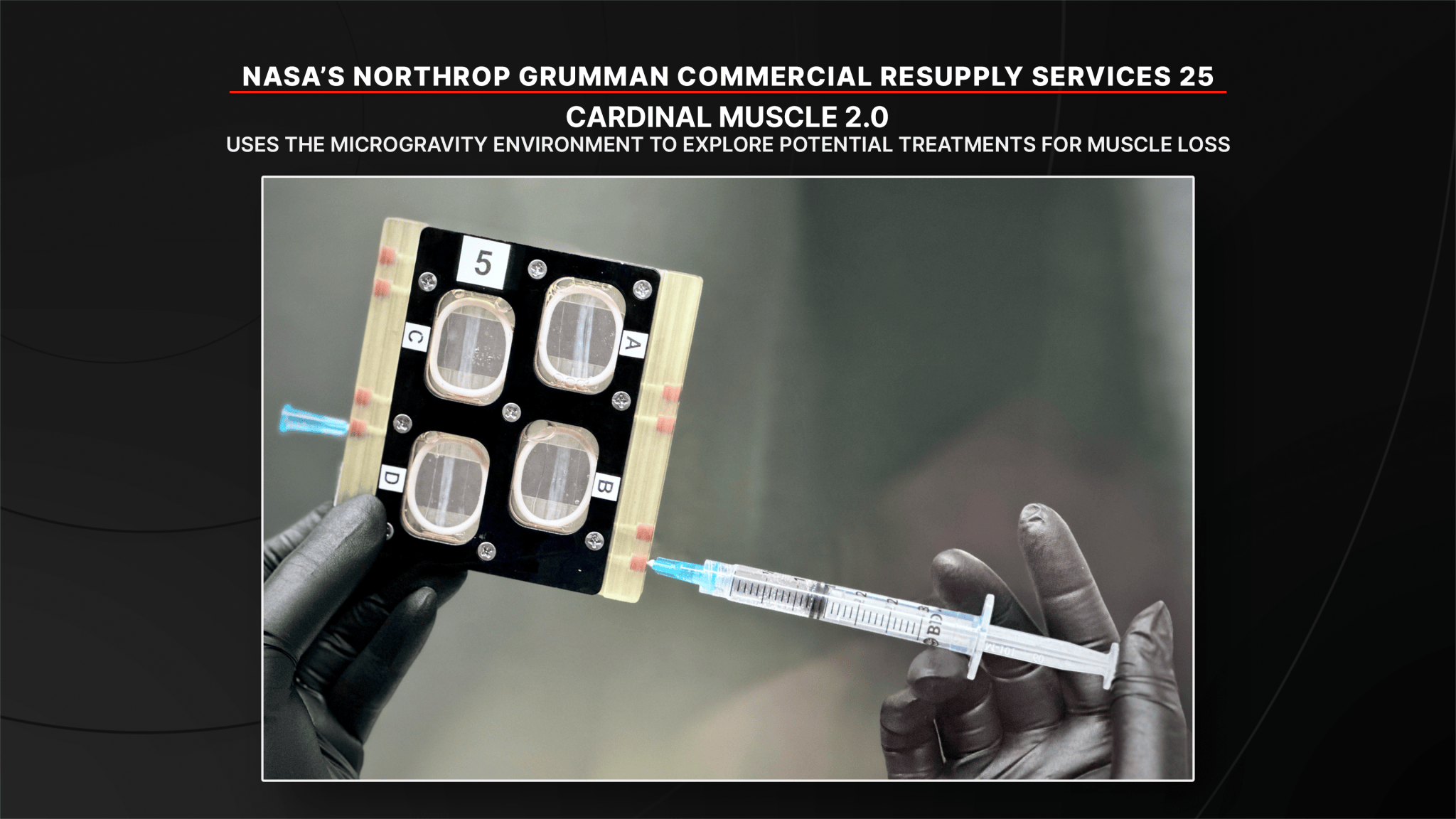
Cardinal Muscle 2.0 — muscle loss. Without exercise, muscles can lose mass and strength more quickly in microgravity than they do with aging on Earth. Researchers will use a Biocell bioreactor to maintain engineered human muscle tissue and test whether drugs already approved by the U.S. Food and Drug Administration for other conditions could prevent or reduce muscle loss. The tests are on tissue cultures, not patients.
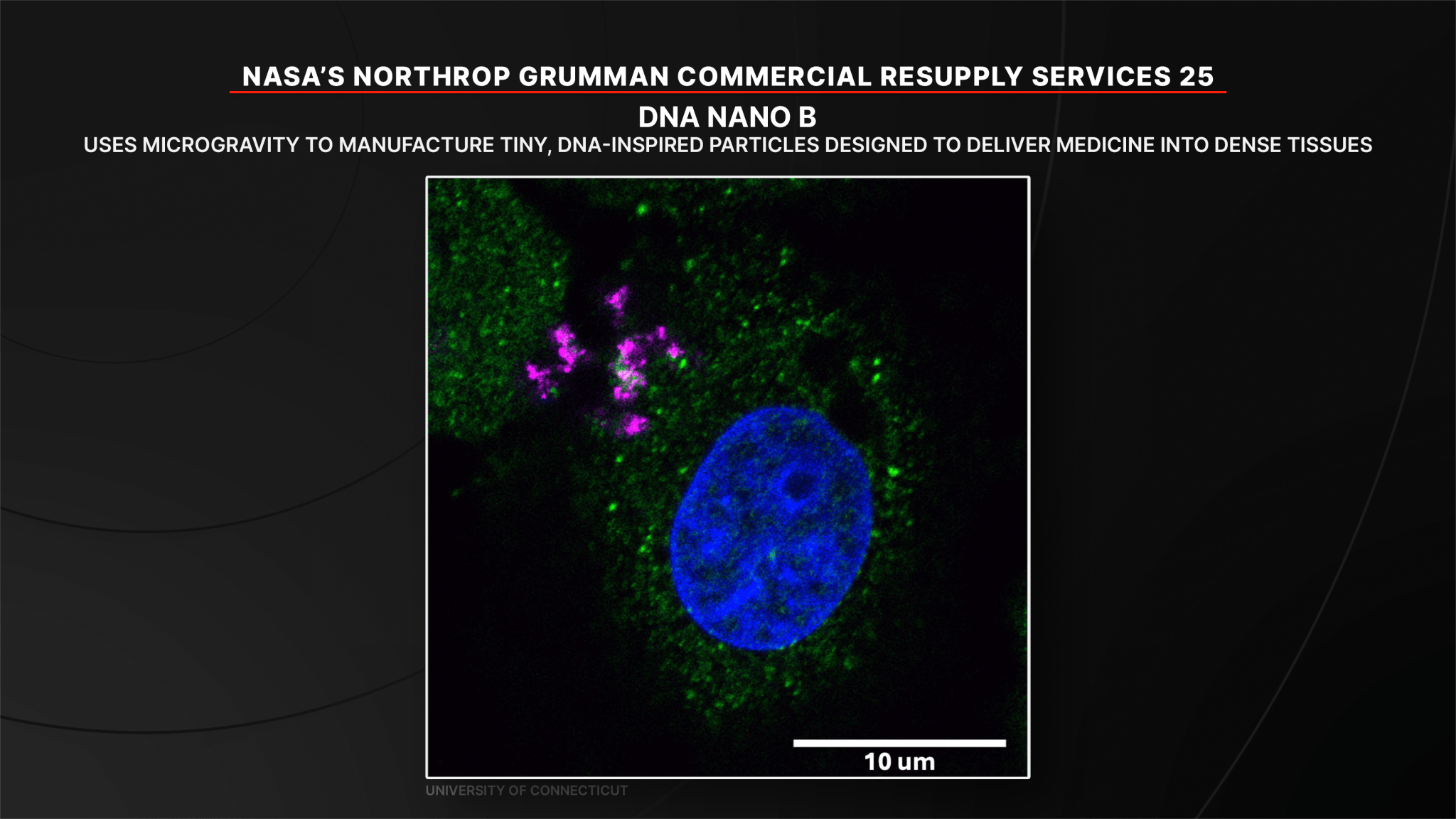
DNA Nano B — drug delivery. Researchers will manufacture DNA-inspired particles designed to carry medicine into dense tissues such as cartilage and solid tumors. The question is whether the particles assemble more uniformly in microgravity. If they do, the findings could help researchers refine production methods for potential cancer and osteoarthritis treatments.
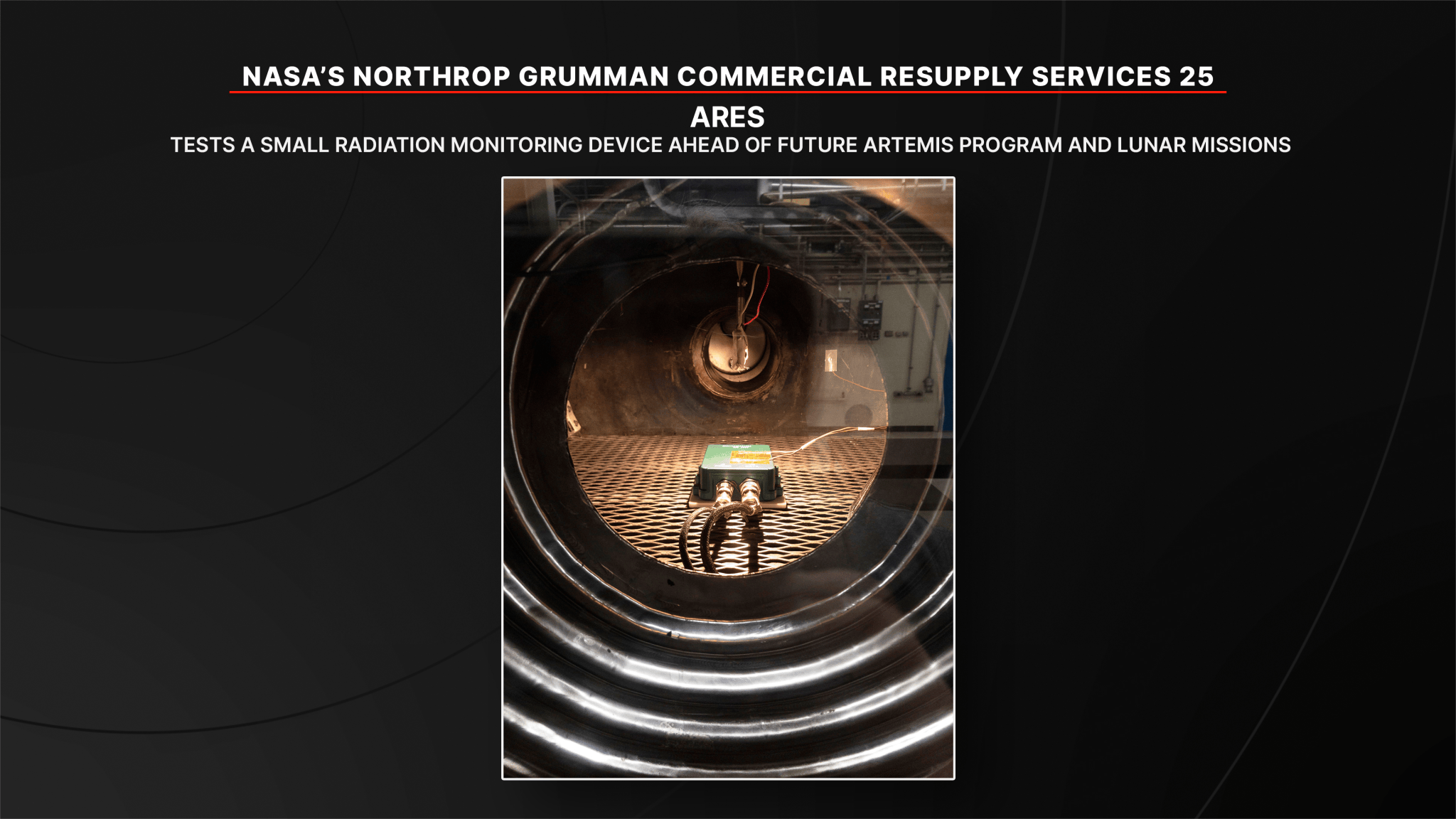
ARES — radiation monitoring. The Active Radiation Environment Sensor is a small device designed to measure radiation in real time inside spacecraft living areas. The station test will assess technology intended to warn crews of exposure on future Artemis lunar missions.
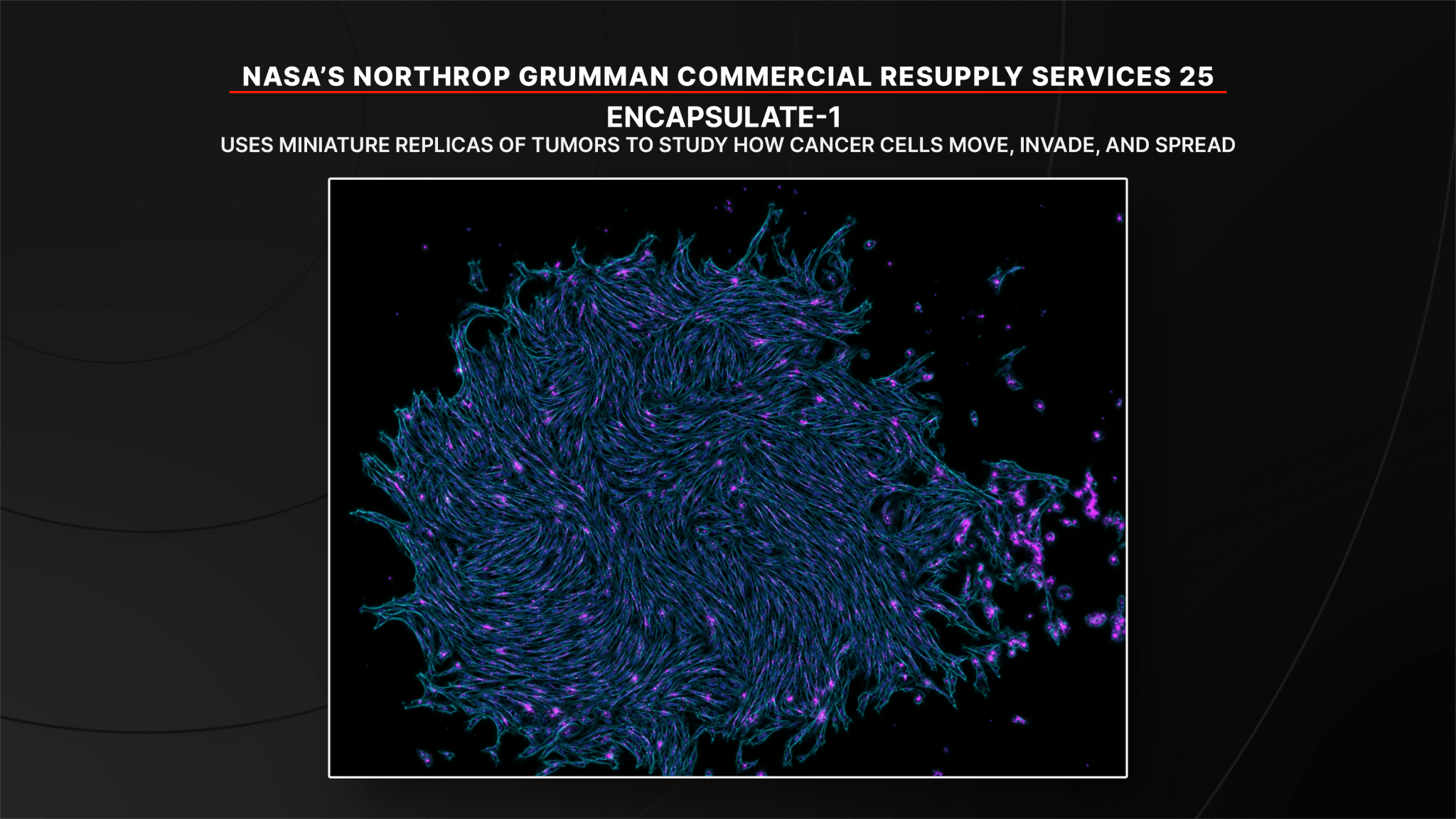
Encapsulate-1 — cancer progression. Researchers will grow miniature replicas of patients’ tumors on a biochip to observe how cancer cells move and invade surrounding tissue in microgravity. Their longer-term goal is a diagnostic tool that could predict cancer progression months or even years in advance. That predictive ability has not yet been demonstrated.
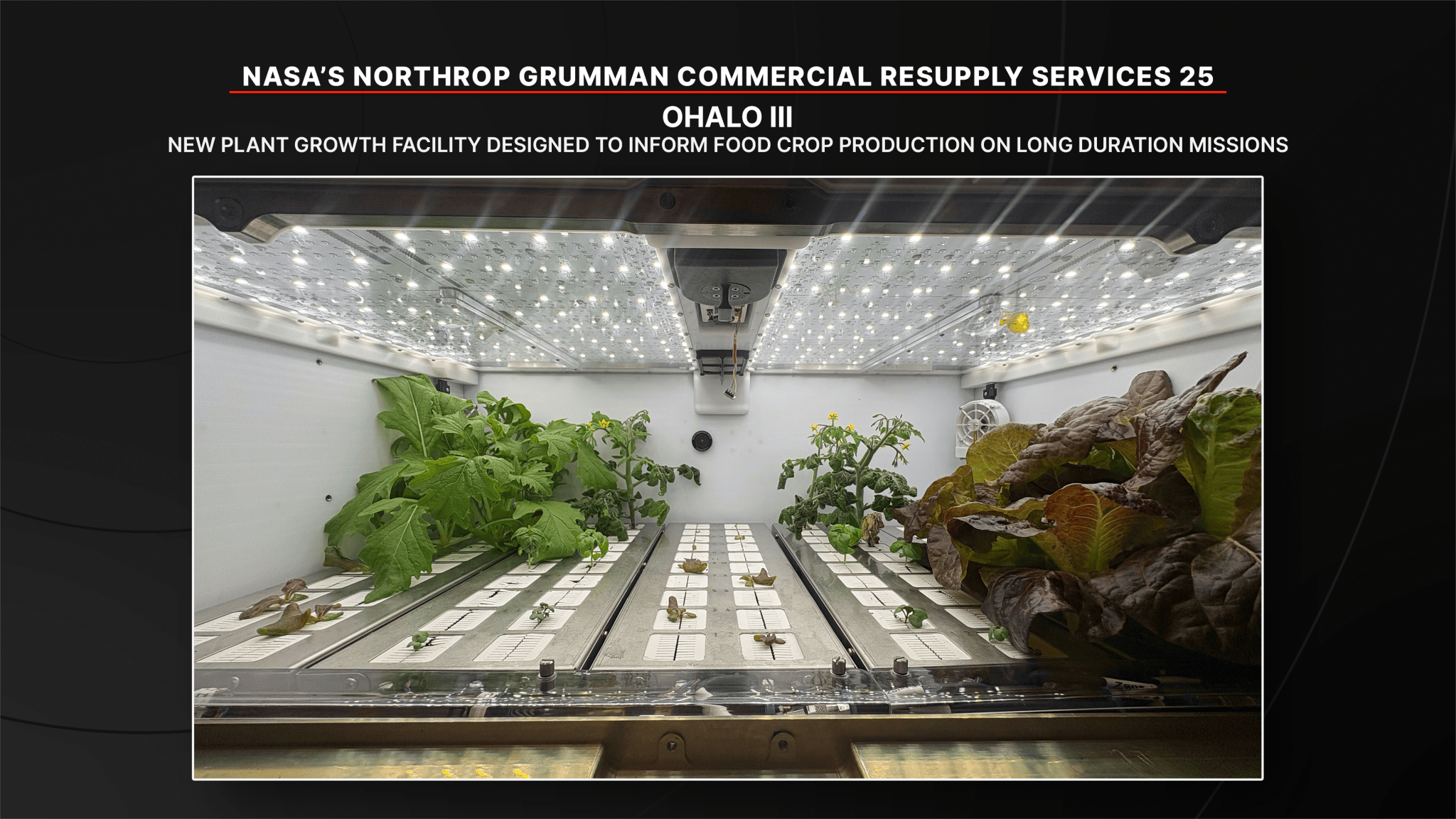
Ohalo III — food production. Utah State University’s mostly automated plant-growth facility will test water delivery and recovery, air exchange and the use of limited growing space for a variety of crops. The findings could guide the design of food-production systems for long missions, including journeys to Mars.
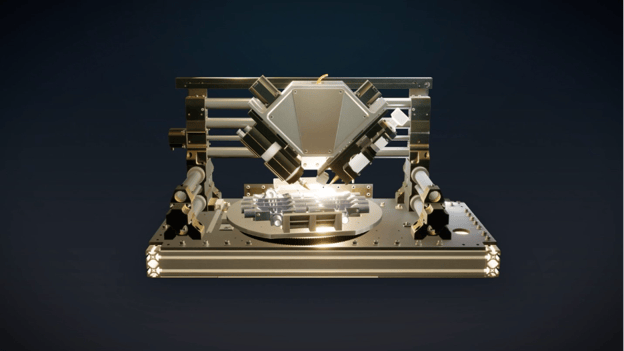
JOINS — robotic welding. Inside the station’s Bishop Airlock, robots will test two ways to join aluminum and stainless steel. Laser beam welding melts and fuses material; friction stir welding uses a rotating tool to generate heat, soften the metal and stir it together. Joining parts after launch could allow crews to build or repair structures too large to fit inside a launch vehicle in one piece.
Equipment for the station
Cygnus will also carry replacement blankets and covers for crew quarters, hatch seal covers for the U.S. segment and a modified hose needed to operate the station toilet’s pretreatment concentrate tank. Other cargo includes batteries for the Anomaly Gas Analyzer and specialized tools for upcoming spacewalks involving the Alpha Magnetic Spectrometer.