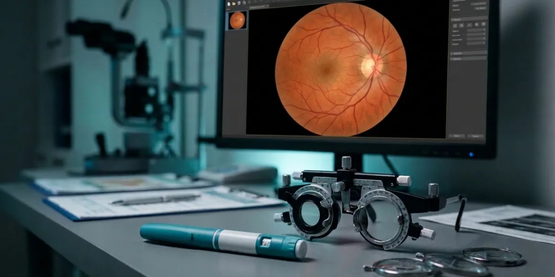
A possible link between GLP-1 receptor agonists, including semaglutide, and a rare form of optic nerve damage has prompted a US Food and Drug Administration (FDA) safety-labeling warning, according to an article published on November 12, 2026. The condition, non-arteritic anterior ischemic optic neuropathy (NAION), can cause sudden, painless vision loss in one eye.
NAION occurs when the optic nerve receives insufficient blood supply. Symptoms can include blurred or dim vision and missing areas in the visual field, often noticed on waking. Permanent damage is possible, and the article notes that no treatment has reliably been shown to work.

How large is the reported risk? A 2024 study that reviewed medical records from 16,827 patients found a higher rate of NAION among patients taking semaglutide than among patients with diabetes or obesity taking other medicines. The article also reports that an FDA assessment drawing on 126 clinical trials estimated 6.4 NAION cases per 100,000 GLP-1 drug users per year—about 1.7 times the rate in the comparison group. Even at that rate, the condition remains rare.
The link is not proof that the drugs cause NAION. Diabetes itself affects NAION risk, making it difficult to separate a drug’s possible effect from differences between patient groups. The article says a mechanism by which GLP-1 drugs might cause the condition has not been established.
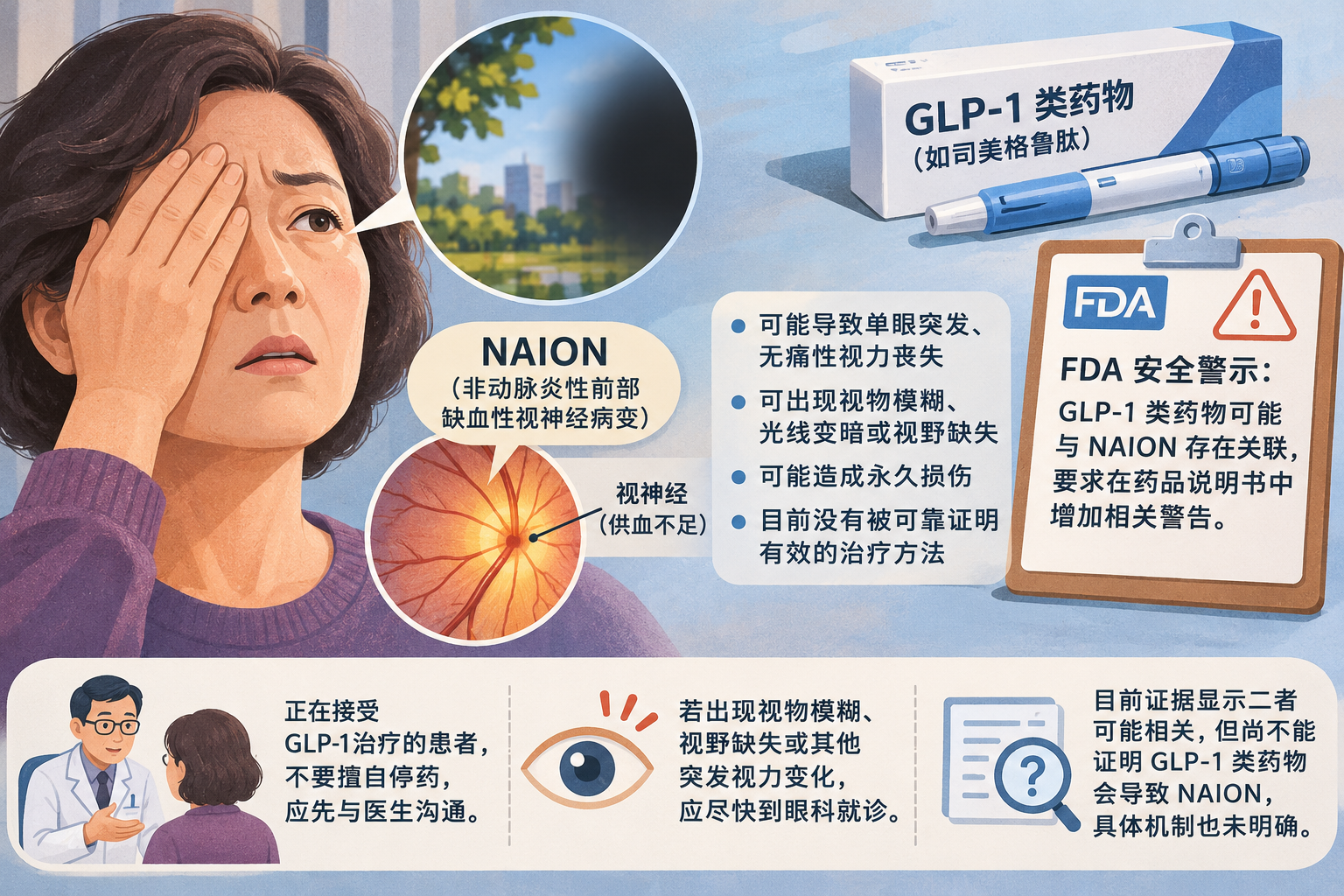
The American Academy of Ophthalmology advises patients receiving prescribed GLP-1 treatment not to stop without speaking to their doctor. Anyone who develops blurred vision, a missing area of vision or another sudden visual change should seek prompt eye care.
Source: guokr.com (originally published 2026-11-12 18:15 UTC+8)