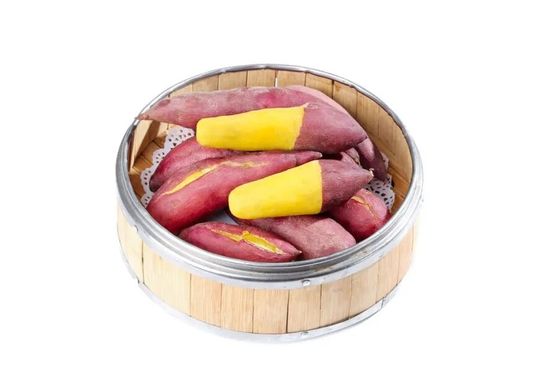
Sweet potatoes are often treated as an ideal carbohydrate for a weight-conscious meal. But “quality carbohydrate” has no single, agreed nutritional definition, and sweet potatoes do not always meet the expectations people attach to the label.
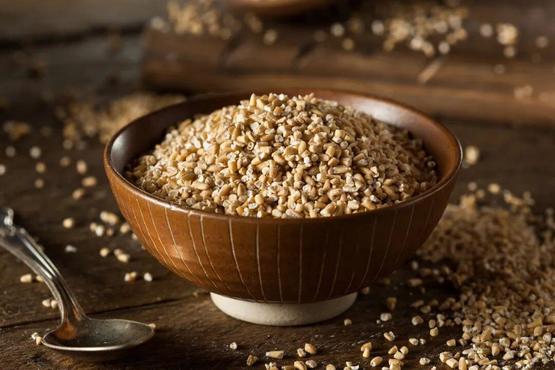
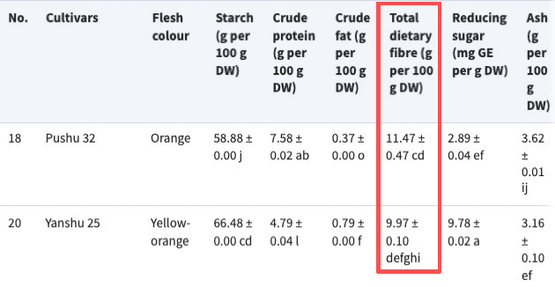
Their fiber content is easy to overestimate. A study that freeze-dried and ground 25 sweet potato varieties measured 11.47 g of dietary fiber per 100 g of powder for Pushu 32 and 9.97 g for Yanshu 25. Those figures describe dried powder, not fresh sweet potato. Accounting for the roughly 60%–80% water content of fresh sweet potatoes, the source article estimates around 2–4 g of fiber per 100 g of fresh sweet potato. For comparison, it gives about 0.4 g per 100 g for cooked white rice and about 10 g per 100 g for dry oats. Its reference point for a “high fiber” claim—6 g per 100 g of solid food—comes from a rule for prepackaged foods, not a classification applied to fresh sweet potatoes.

Preparation matters for blood-sugar response. In a small 2011 study involving 10 participants, boiled sweet potato had a glycemic index (GI) below 50, fried sweet potato was around 70, and baked sweet potato could exceed 90. These results should not be treated as a fixed GI for every sweet potato: variety and preparation can differ. A separate study estimated GIs of 79–99 for dried sweet potatoes from different varieties, but those estimates came from in vitro testing, not measurements of people’s blood-sugar responses.
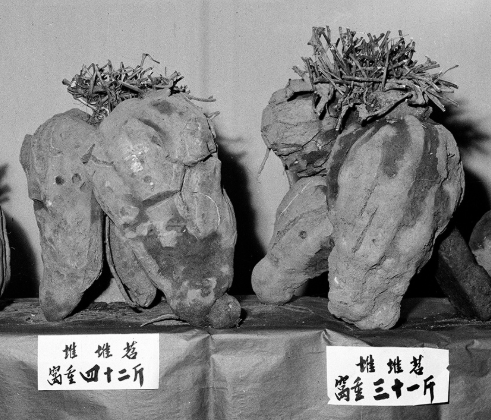
Varieties have changed, too. An analysis of 211 sweet potato varieties bred between 1984 and 2016 found average annual increases of 0.31 g/kg in reducing sugars, including glucose, fructose and maltose, alongside average annual decreases of 0.19 g/kg in crude fiber. That is a trend across the varieties studied, not a measurement of every sweet potato sold today.
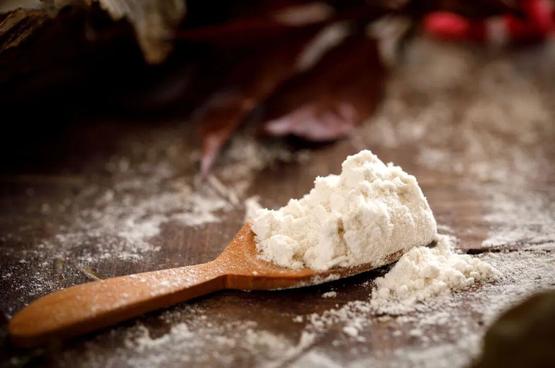
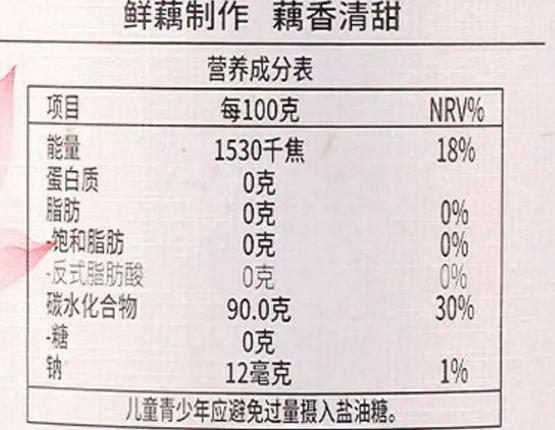
Other foods can carry a misleading “wholesome carb” impression. Pure lotus-root starch is chiefly extracted starch rather than whole lotus root. And the appearance of a multigrain steamed bun does not reveal how much whole grain it contains; its ingredient list is more informative than its color.
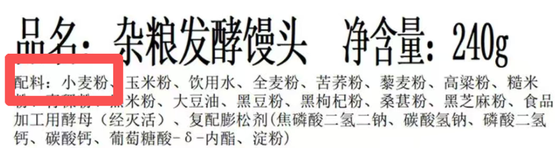
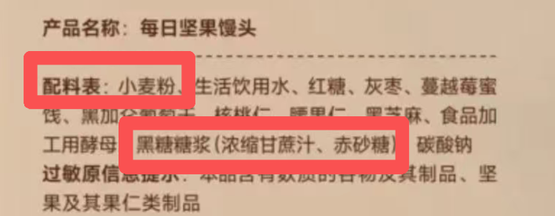
None of this makes sweet potatoes, rice or lotus-root starch foods to avoid. The source article’s practical takeaway is to vary carbohydrate sources, choose less-processed forms where possible, include whole beans, vegetables and fruit, and consider the meal and overall amount rather than searching for one perfect staple.

Source: guokr.com (originally published 2026-11-13 05:15 UTC+8)